About the museum
The story of the J. Paul Getty Museum
The J. Paul Getty Museum was founded by the oil magnate J. Paul Getty. Since 1997 its main home has been Richard Meier's Getty Center on a hilltop in the Brentwood area of Los Angeles; the Getty Villa in Malibu shows its antiquities.
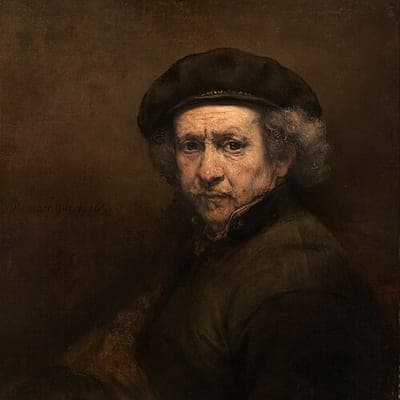
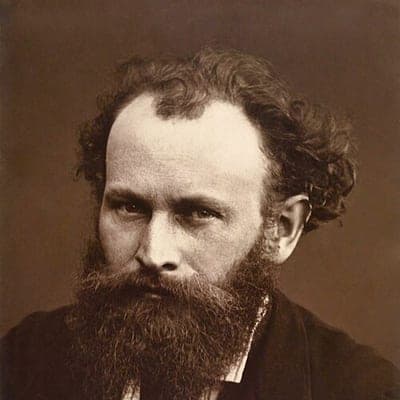
Its European paintings range from the Renaissance to the late nineteenth century, with highlights by Van Gogh, Rembrandt, Titian and Manet.
The collection
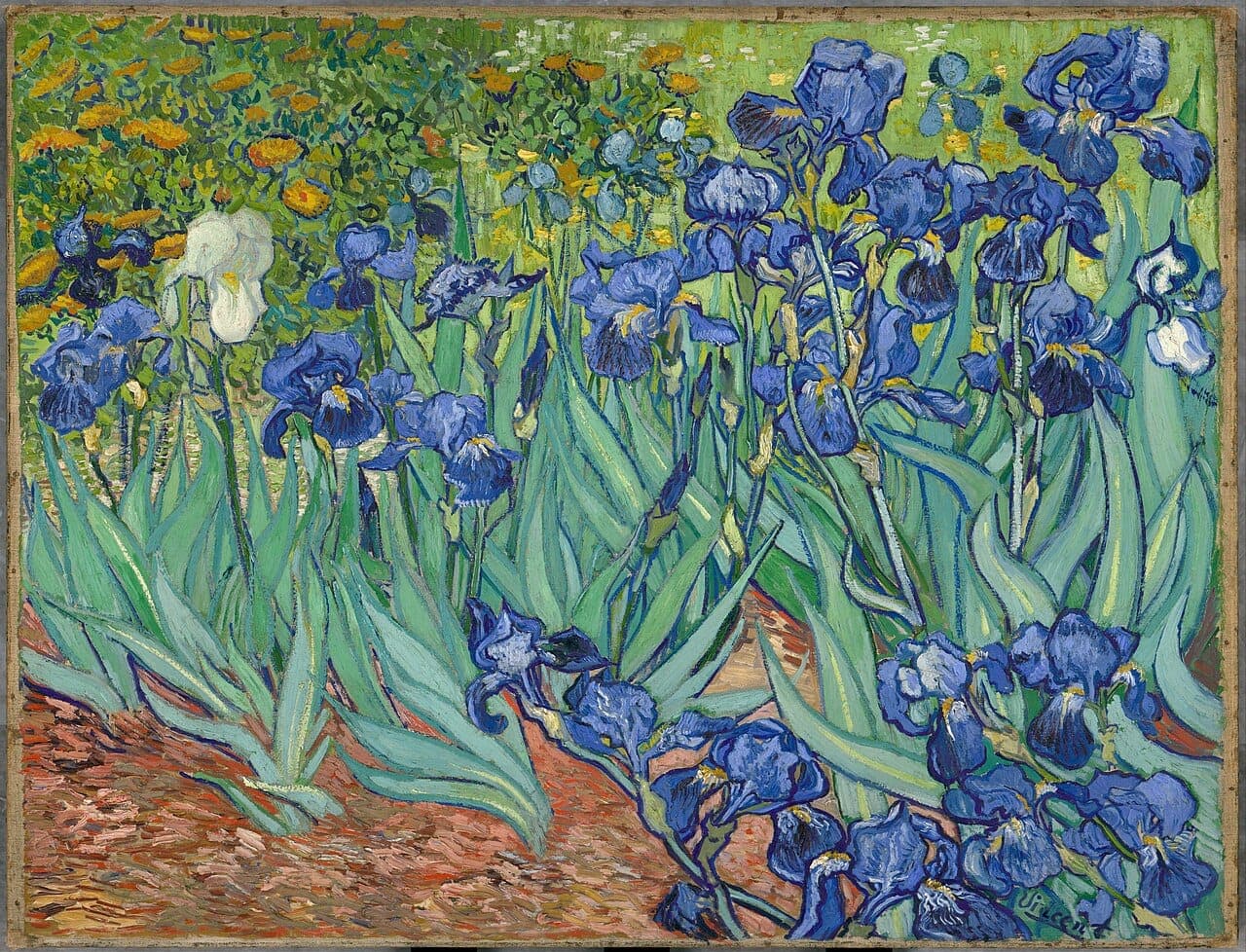
The Getty has bought steadily since J. Paul Getty's death in 1976, and its collection of European paintings now runs from medieval panels to the late nineteenth century. Its Impressionist works include Van Gogh's Irises and Monet's Wheatstack.
It is also known for Renaissance and Baroque paintings by Mantegna, Titian, Rembrandt and Rubens, for illuminated manuscripts and drawings, and for one of the world's great photography collections.
At ArtLogia you can order 126 of its paintings as hand-painted reproductions, by 94 artists led by Rembrandt van Rijn, Édouard Manet and Jacques-Louis David.
- paintings to order
- 126
- artists
- 94
- art movements
- 17
- years covered
- 1290–1912
The building
Richard Meier's Getty Center, opened in 1997, is built of travertine stone from Italy and white enamelled panels on a hilltop above the 405 freeway. Robert Irwin's Central Garden and views from the Pacific to downtown Los Angeles are part of the visit.
Masterpieces to see


Planning a visit
General admission is free; you pay only for parking, and a tram carries visitors up the hill.