About the museum
The story of the Mauritshuis
The Mauritshuis is a seventeenth-century palace in The Hague, built for Johan Maurits of Nassau-Siegen beside the Dutch parliament. It has been a museum since 1822 and is home to the royal collection of Dutch and Flemish painting.
The collection is small, under a thousand works, but almost every room holds a masterpiece, from Vermeer and Rembrandt to Fabritius and Jan Steen.
The collection
The Mauritshuis collection began with the paintings of Stadholder William V, which were taken to Paris by Napoleon and returned in 1815. In 1822 the Dutch state opened them to the public in Johan Maurits' house.
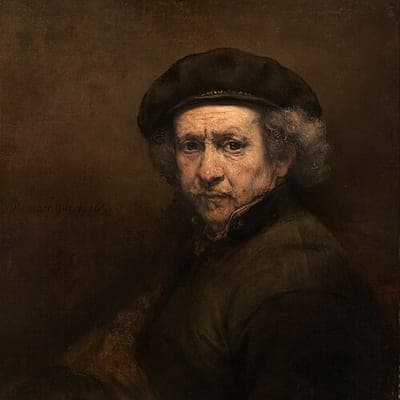
With fewer than a thousand works, it focuses on the Dutch and Flemish Golden Age: Vermeer, Rembrandt, Frans Hals, Jan Steen, Paulus Potter's The Bull, Rubens and Carel Fabritius's tiny Goldfinch.
At ArtLogia you can order 70 of its paintings as hand-painted reproductions, by 46 artists led by Rembrandt van Rijn, Frans Hals and Johannes Vermeer.
- paintings to order
- 70
- artists
- 46
- art movements
- 7
- years covered
- 1483–1733
The building
Johan Maurits van Nassau-Siegen, governor of Dutch Brazil, had the house built between 1636 and 1641 by Jacob van Campen and Pieter Post. It is a key example of Dutch classicism, standing on the Hofvijver lake beside the Binnenhof, the seat of the Dutch government.
Masterpieces to see
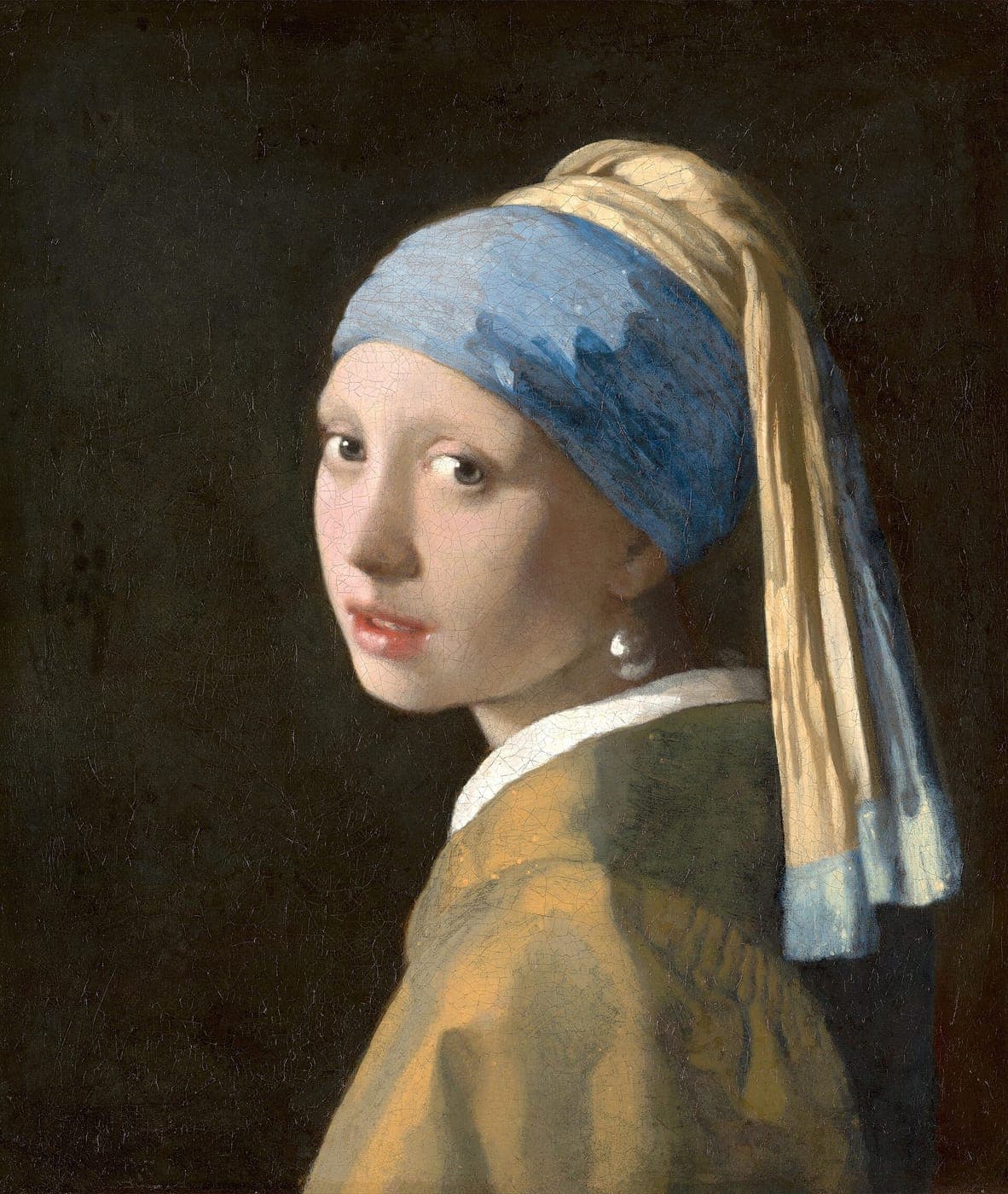 Girl with a Pearl EarringJohannes Vermeer, c. 1665 · Hand-painted reproduction available
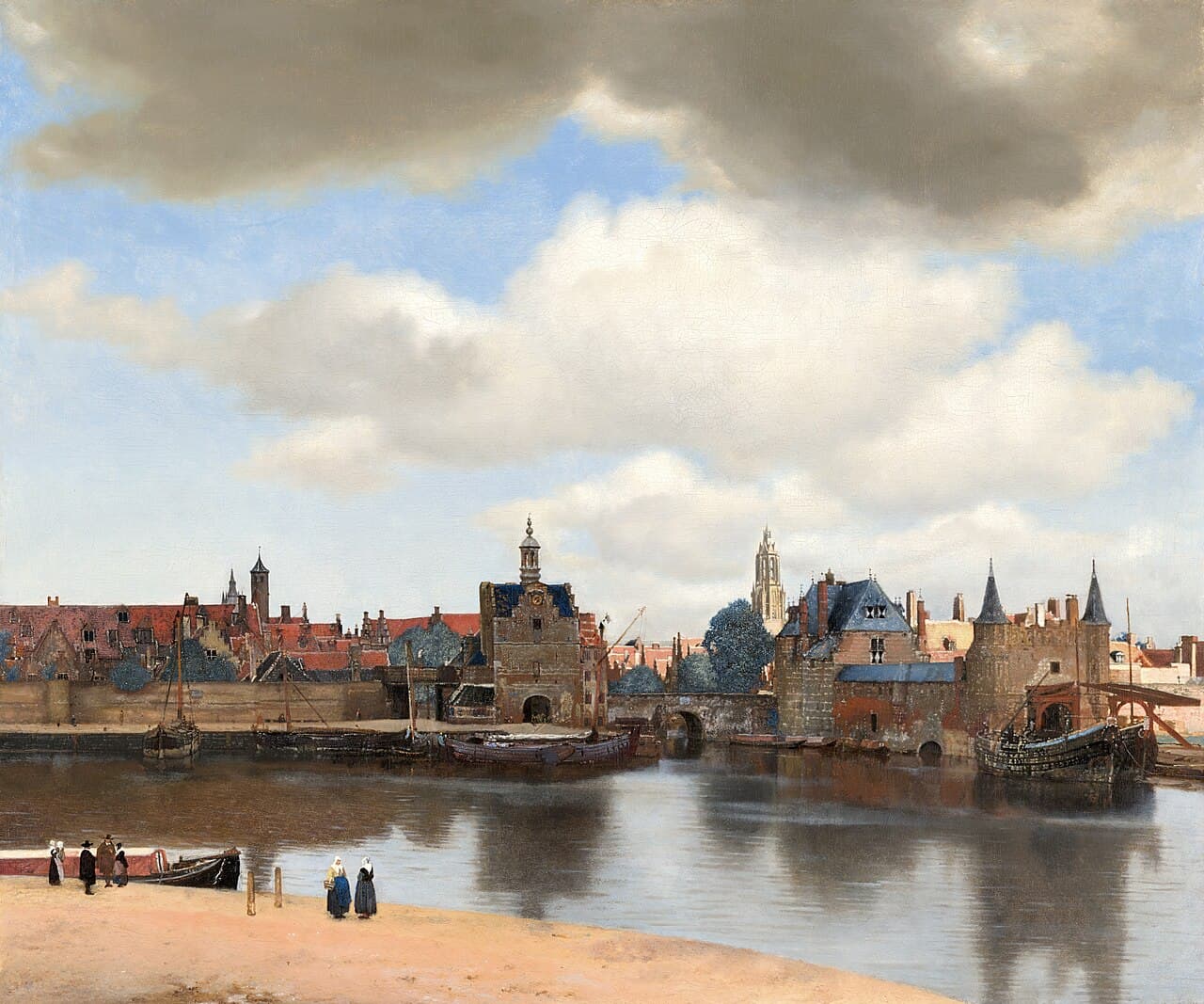 View of DelftJohannes Vermeer, 1661 · Hand-painted reproduction available
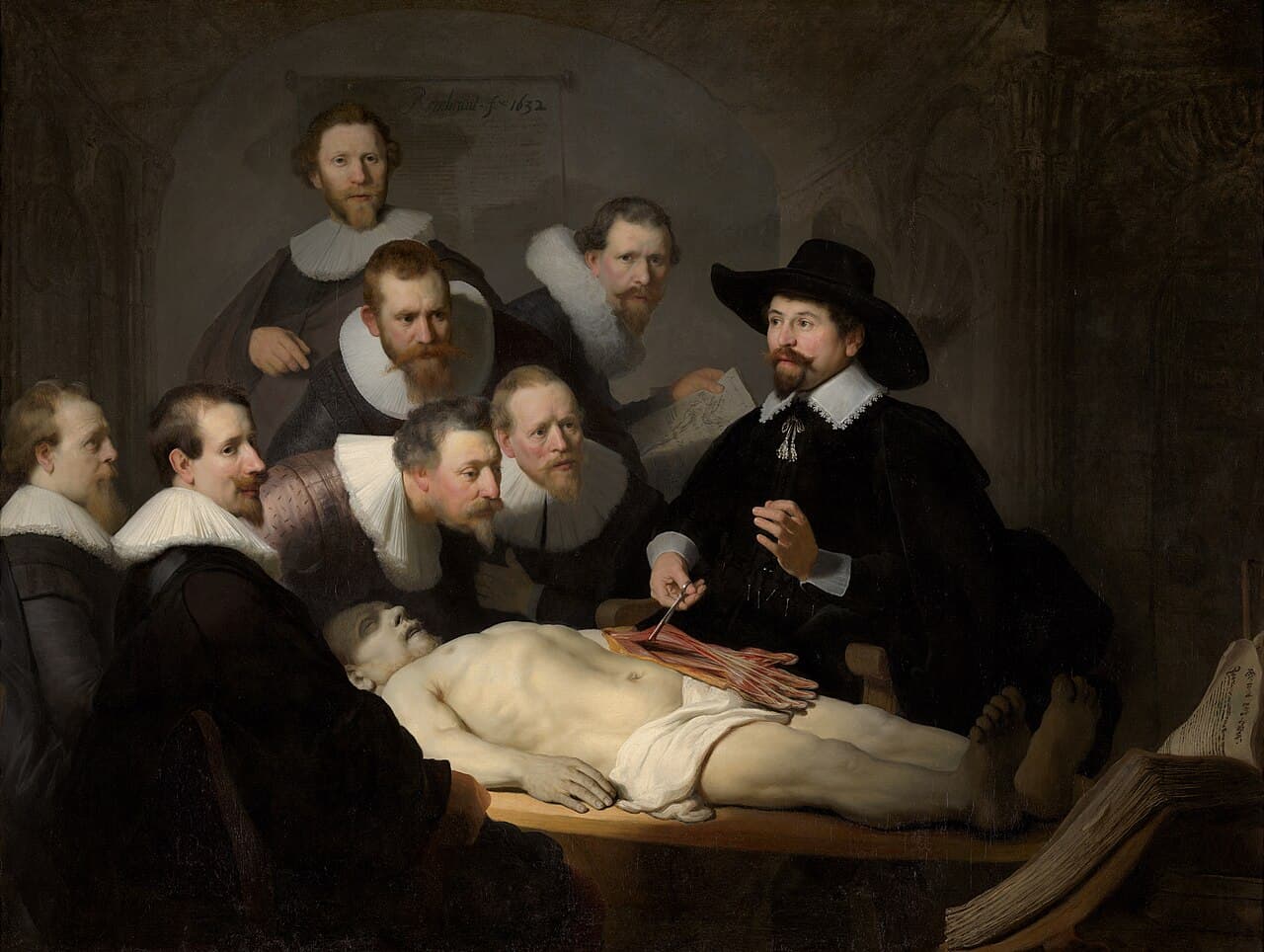 The Anatomy Lesson of Dr. Nicolaes TulpRembrandt van Rijn, 1632 · Hand-painted reproduction available
 The GoldfinchCarel Fabritius, 1654 · Hand-painted reproduction available
Planning a visit
Its intimate scale makes it an easy two-hour visit; Girl with a Pearl Earring hangs on the first floor.