About the museum
The story of the Museo del Prado
The Prado opened in Madrid in 1819 to show the royal collections of the Spanish crown. Centuries of royal patronage mean it holds the world's finest groups of Velázquez, Goya and El Greco, along with superb Titians, Rubens and Flemish masters.
Its neoclassical building on the Paseo del Prado anchors Madrid's 'Golden Triangle of Art' with the Thyssen-Bornemisza and the Reina Sofía, all within a short walk.
The collection
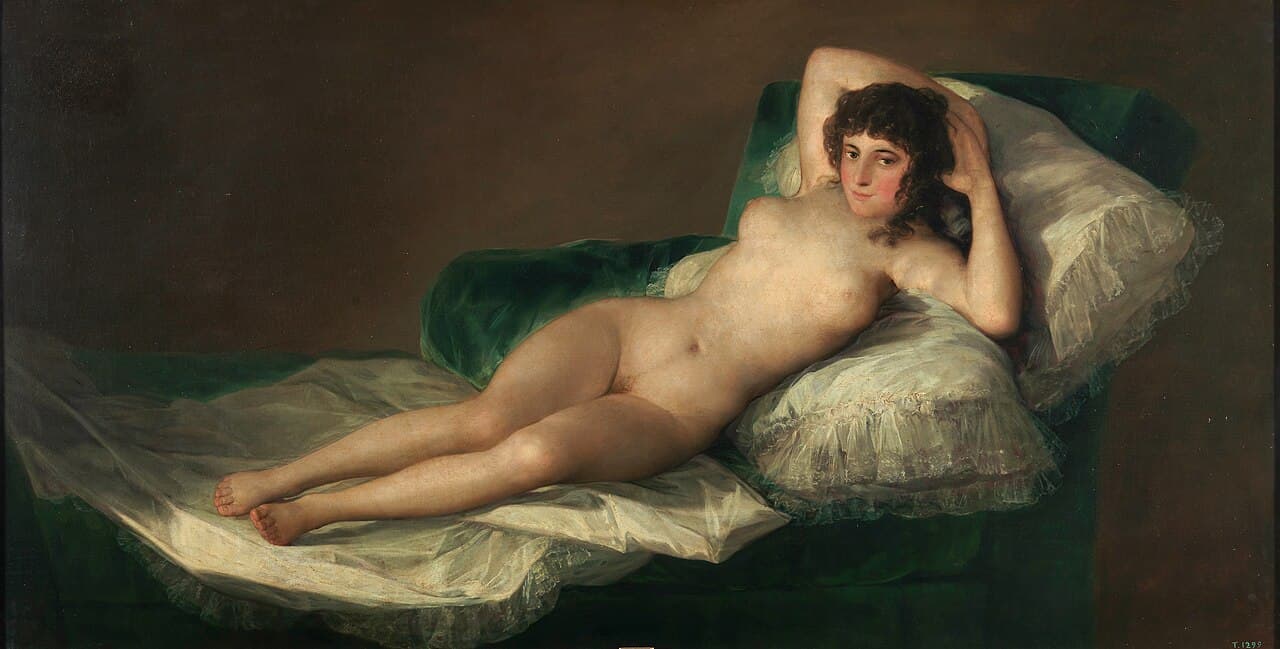
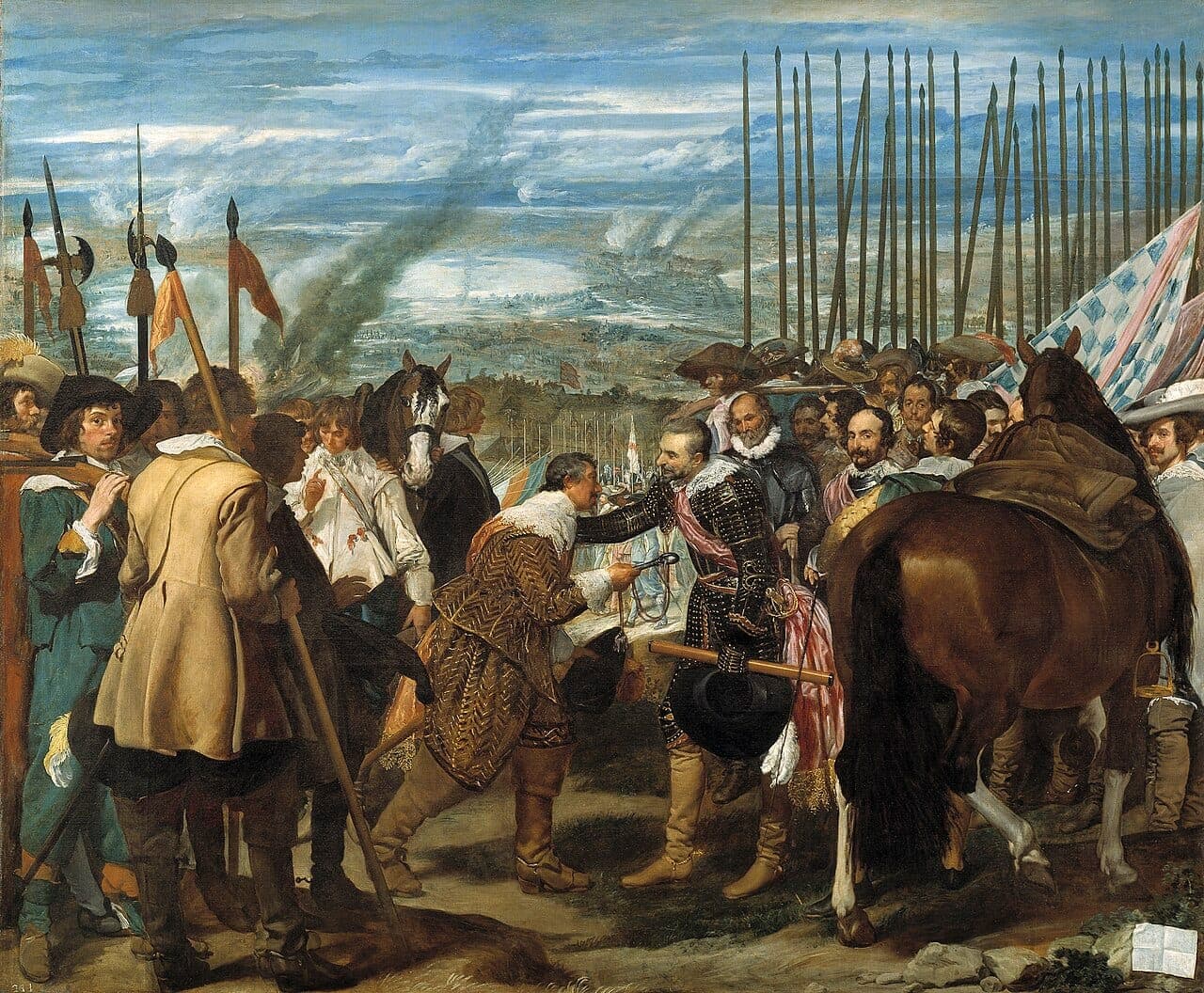
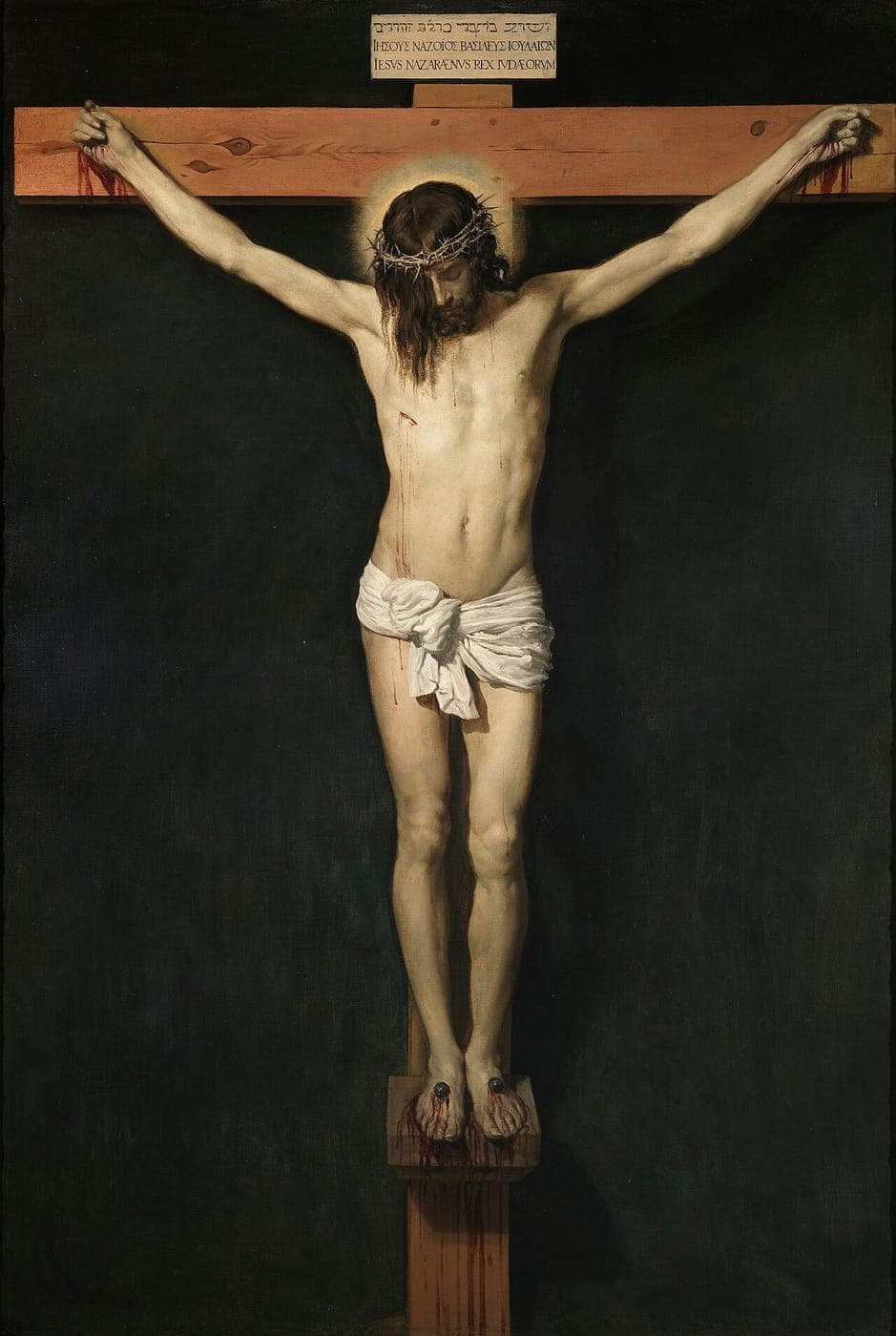
The Prado's collection reflects the taste of the Spanish Habsburg and Bourbon kings, who collected passionately for three centuries. This is why it holds the greatest groups in the world of Velázquez, who was their court painter, and of Goya, from his bright tapestry designs to the Black Paintings from his own house.
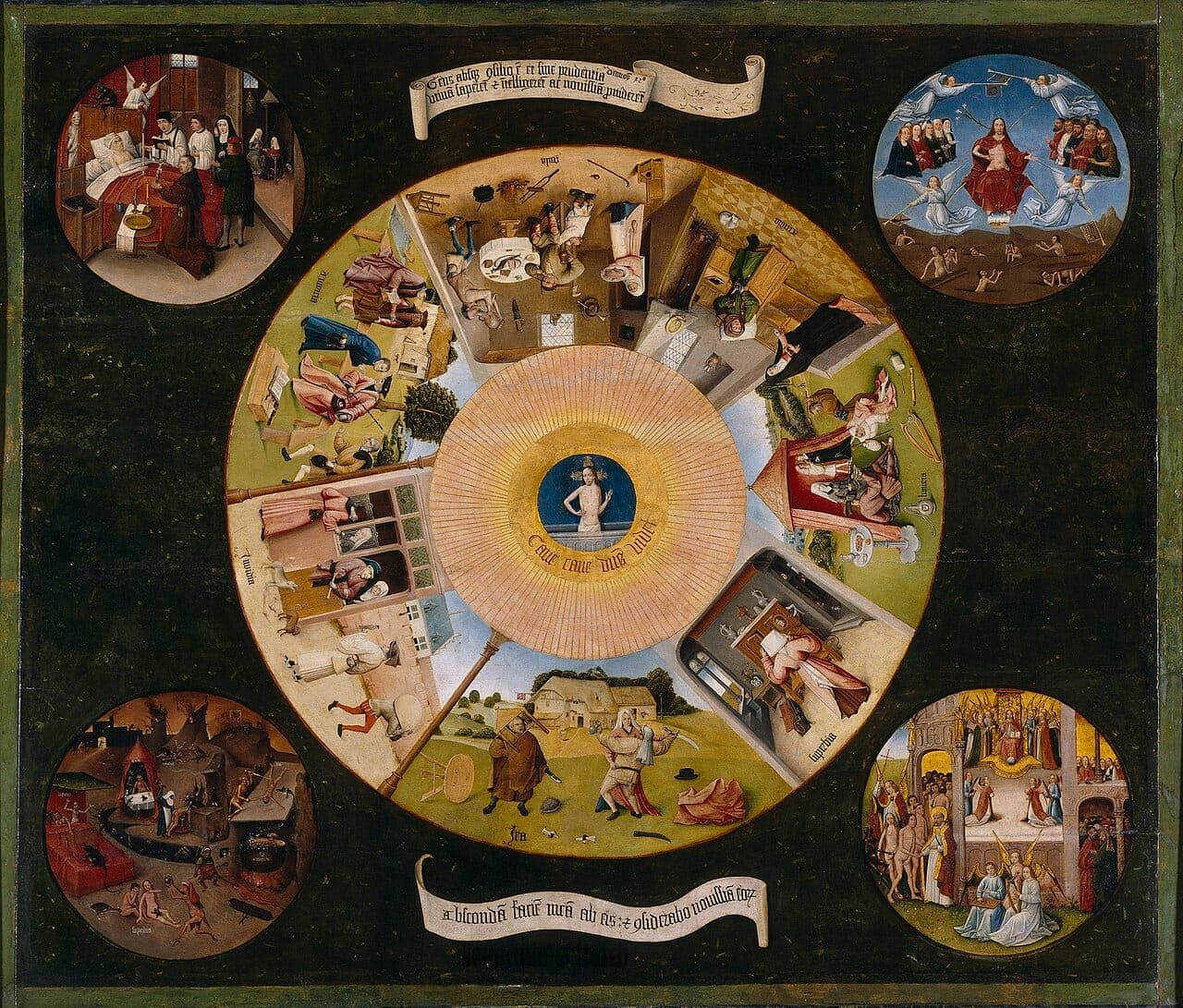
Royal links with Flanders and Italy explain its other treasures: Bosch's Garden of Earthly Delights, Rubens, Van Dyck, Titian's portraits of Charles V and Philip II, Fra Angelico's Annunciation and Dürer's Adam and Eve.
At ArtLogia you can order 479 of its paintings as hand-painted reproductions, by 155 artists led by Francisco Goya, Diego Velázquez and El Greco.
- paintings to order
- 479
- artists
- 155
- art movements
- 14
- years covered
- 1359–1909
The building
The main building was designed by Juan de Villanueva in 1785 as a natural science museum for King Charles III, and became the royal picture gallery in 1819. Rafael Moneo's extension, opened in 2007, links it to the restored cloister of the San Jerónimo church, and the nearby Casón del Buen Retiro and Hall of Realms are part of the museum campus.
Masterpieces to see
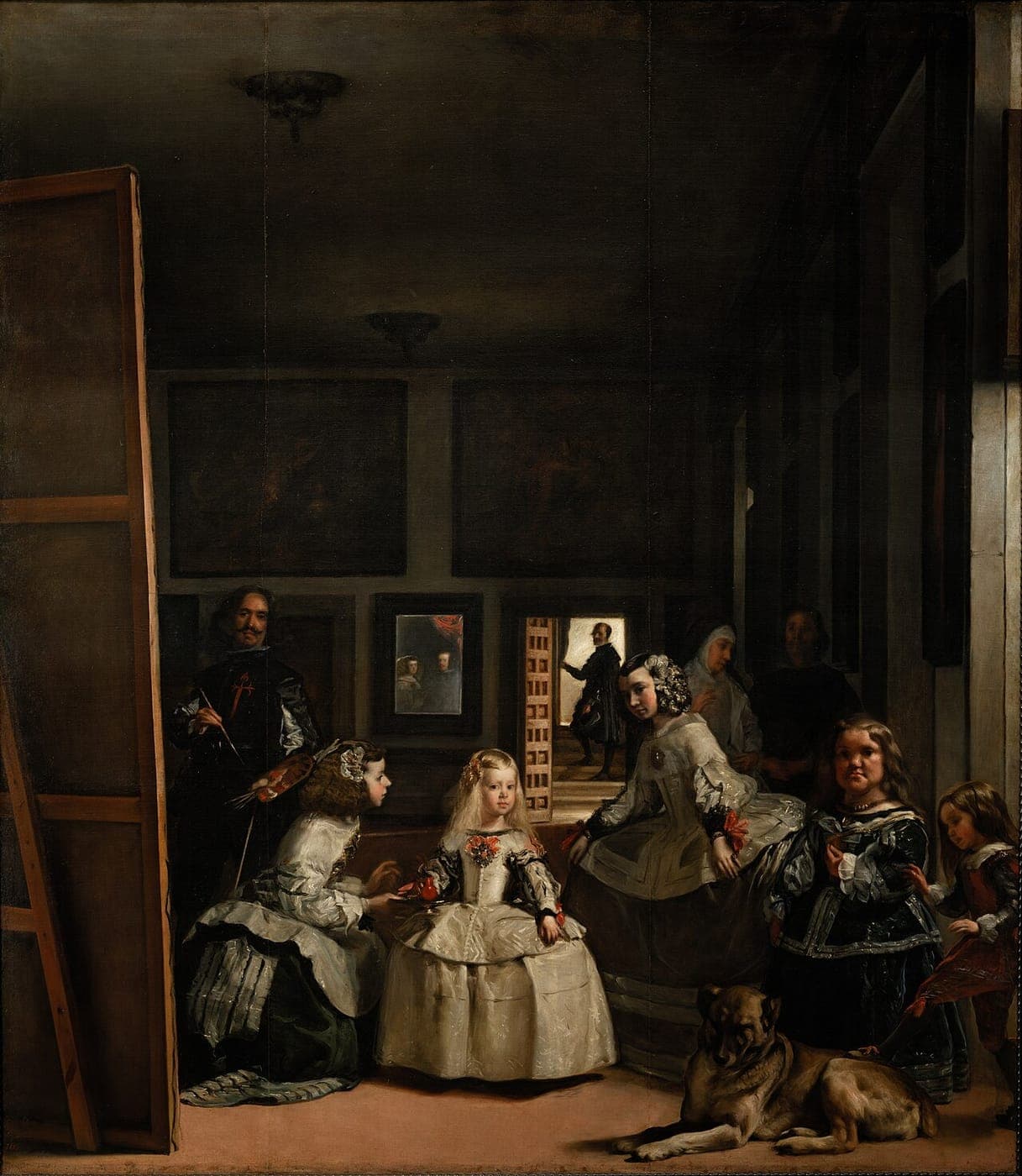 Las MeninasDiego Velázquez, 1656 · Hand-painted reproduction available
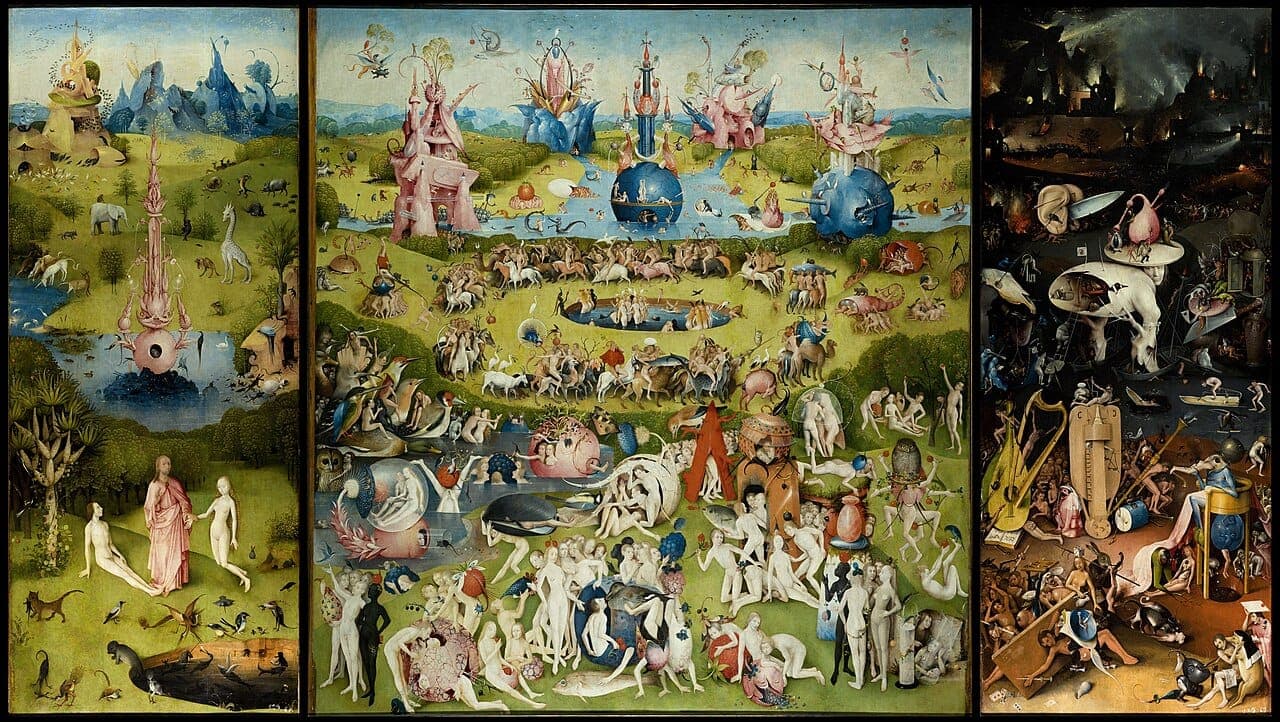 The Garden of Earthly DelightsHieronymus Bosch, 1490 · Hand-painted reproduction available
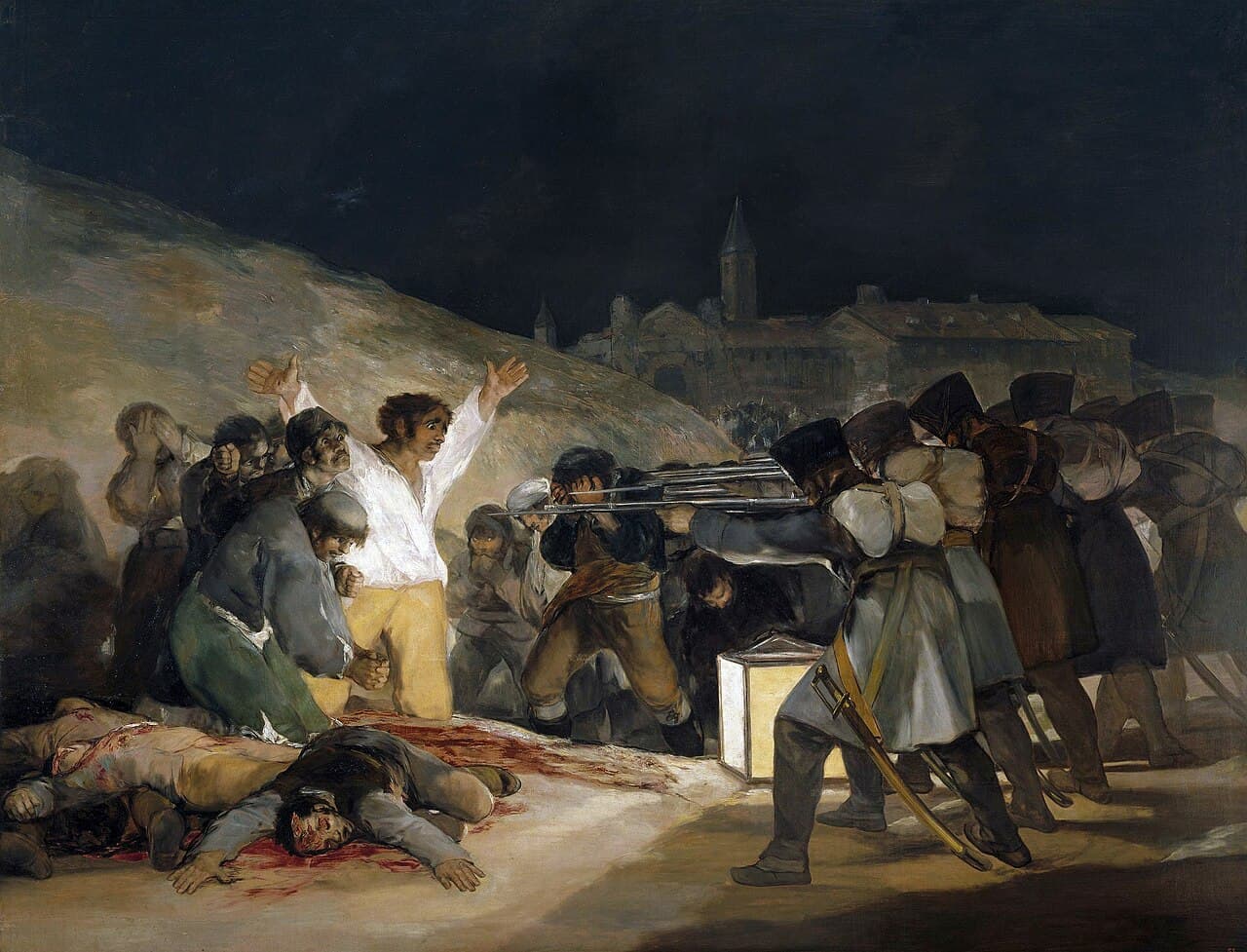 The Third of May 1808Francisco Goya, 1814 · Hand-painted reproduction available
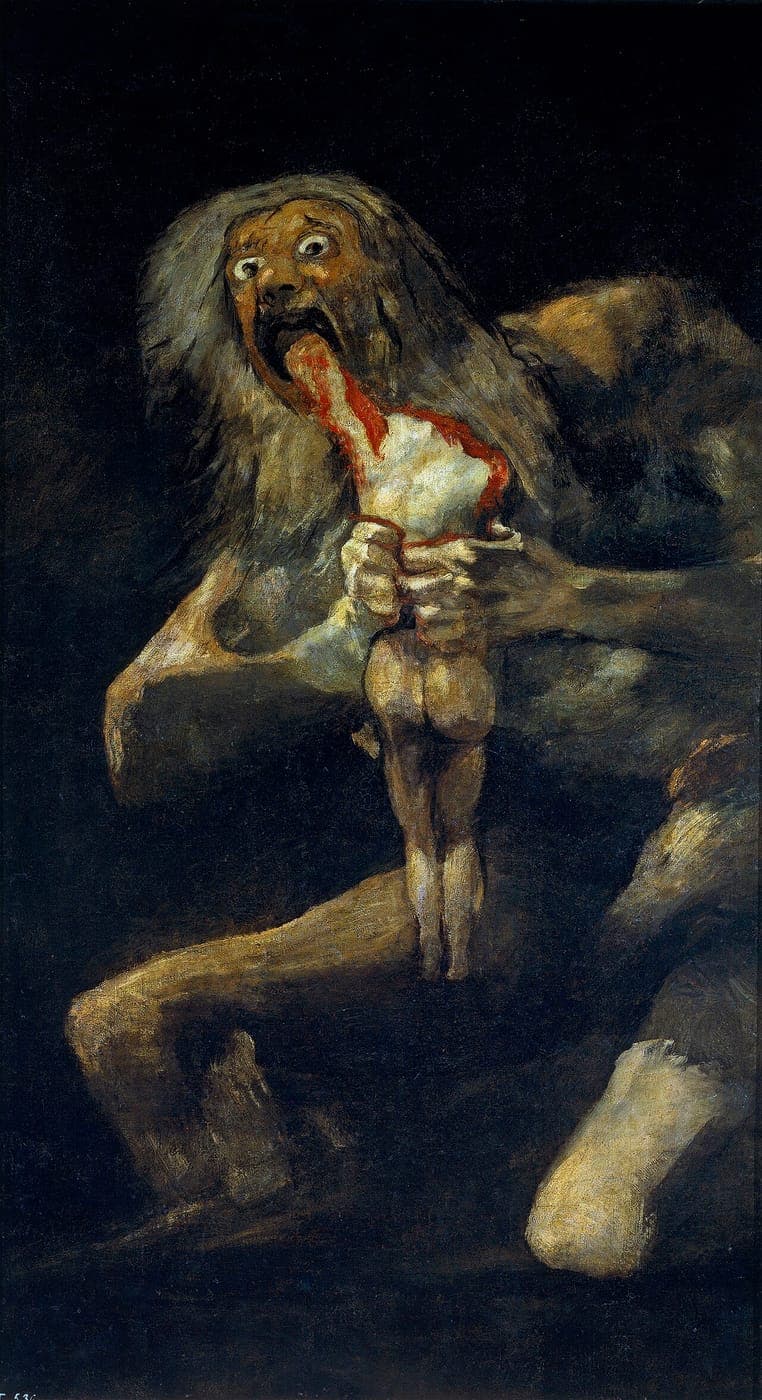 Saturn Devouring His SonFrancisco Goya, 1820 · Hand-painted reproduction available
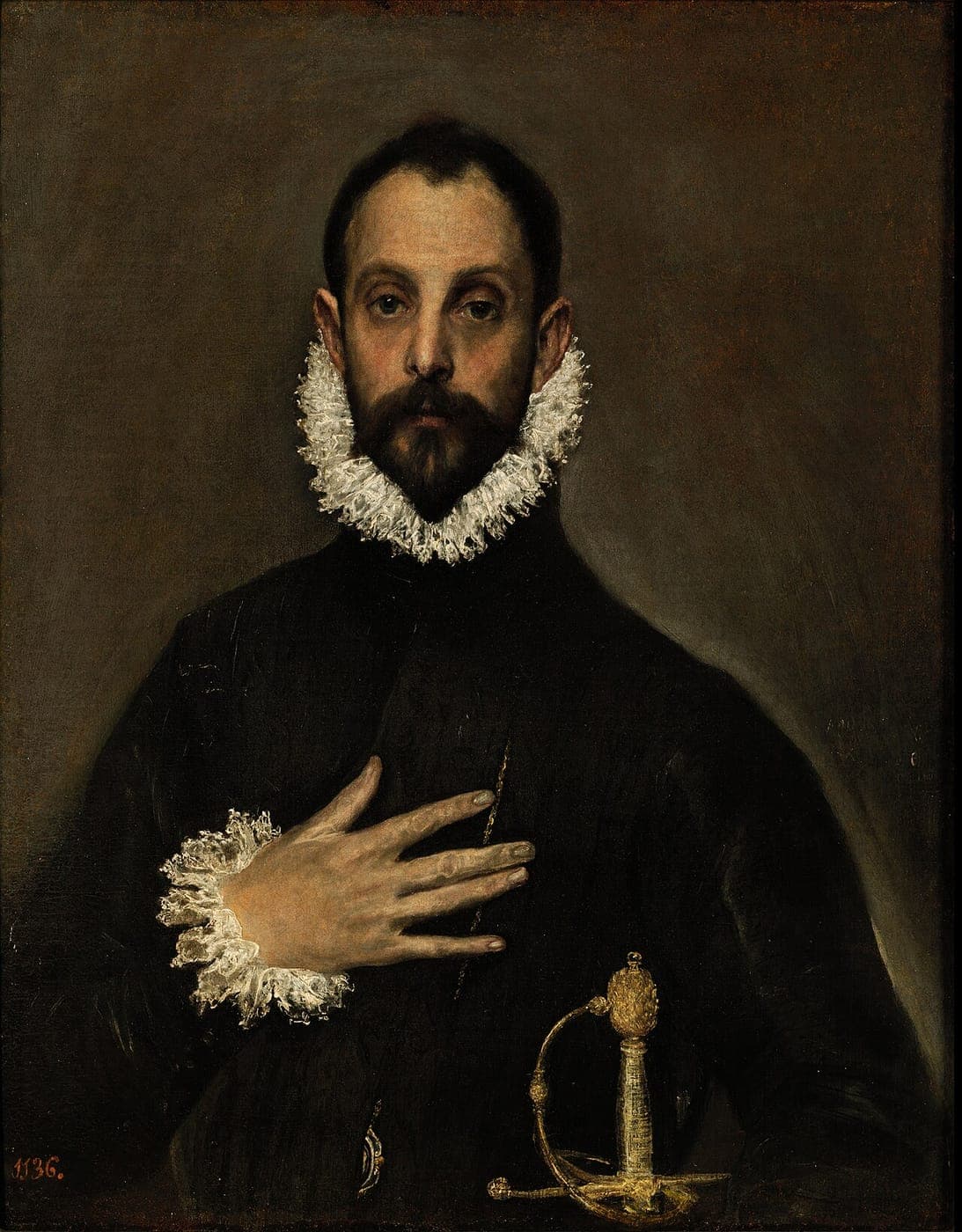 The Nobleman with his Hand on his ChestEl Greco, 1580 · Hand-painted reproduction available
Planning a visit
Entry is free in the last two hours of most days, so arrive early if you want to see Las Meninas without the evening crowds.