About the museum
The story of the Museo di Capodimonte
The Museo di Capodimonte occupies a royal palace on a hill above Naples, begun in 1738 for Charles of Bourbon to house the Farnese collection he had inherited from his mother, Elisabetta Farnese.
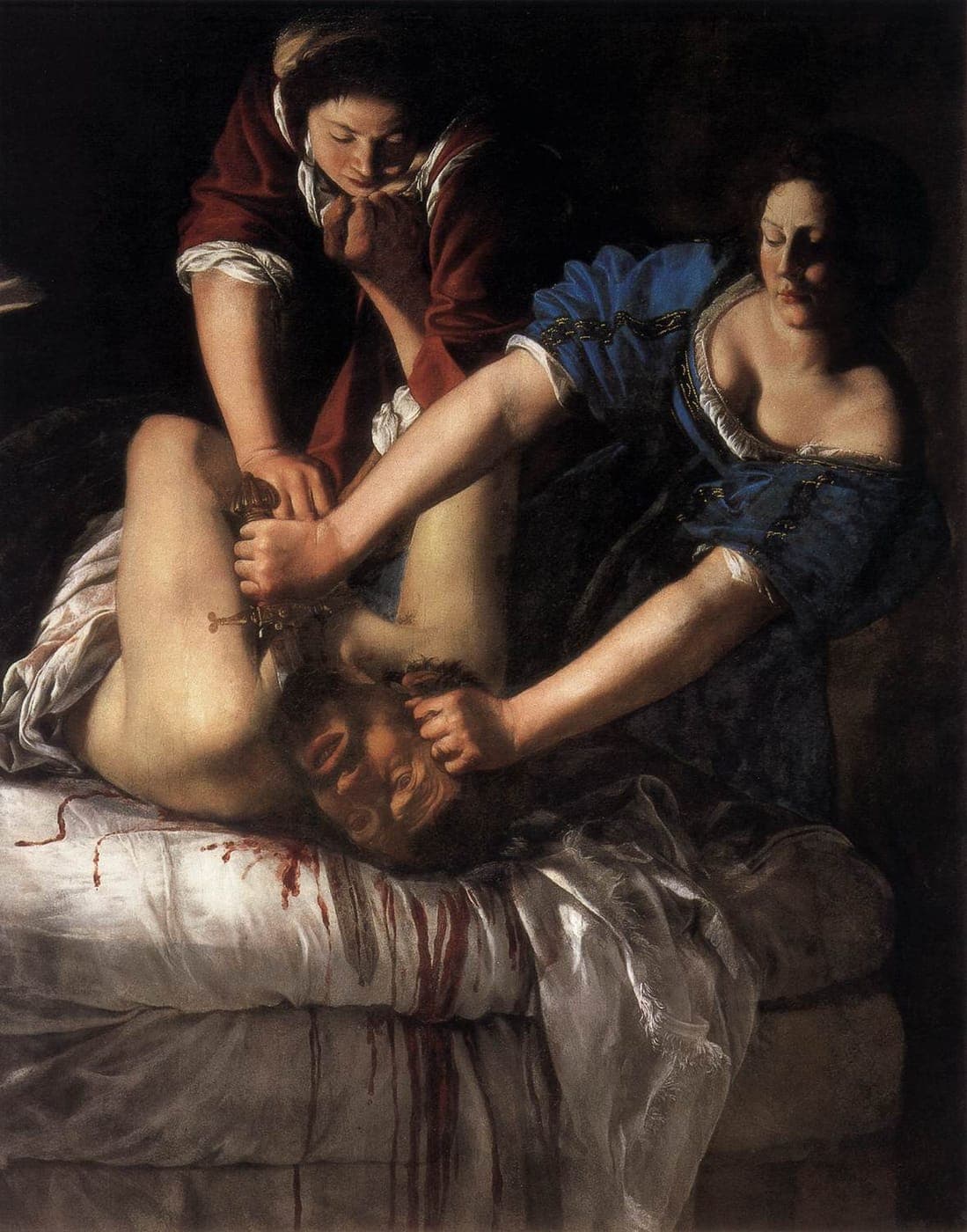
Its galleries hold major works by Titian, Raphael, Bruegel, Caravaggio and Artemisia Gentileschi, set in a large wooded park.
The collection
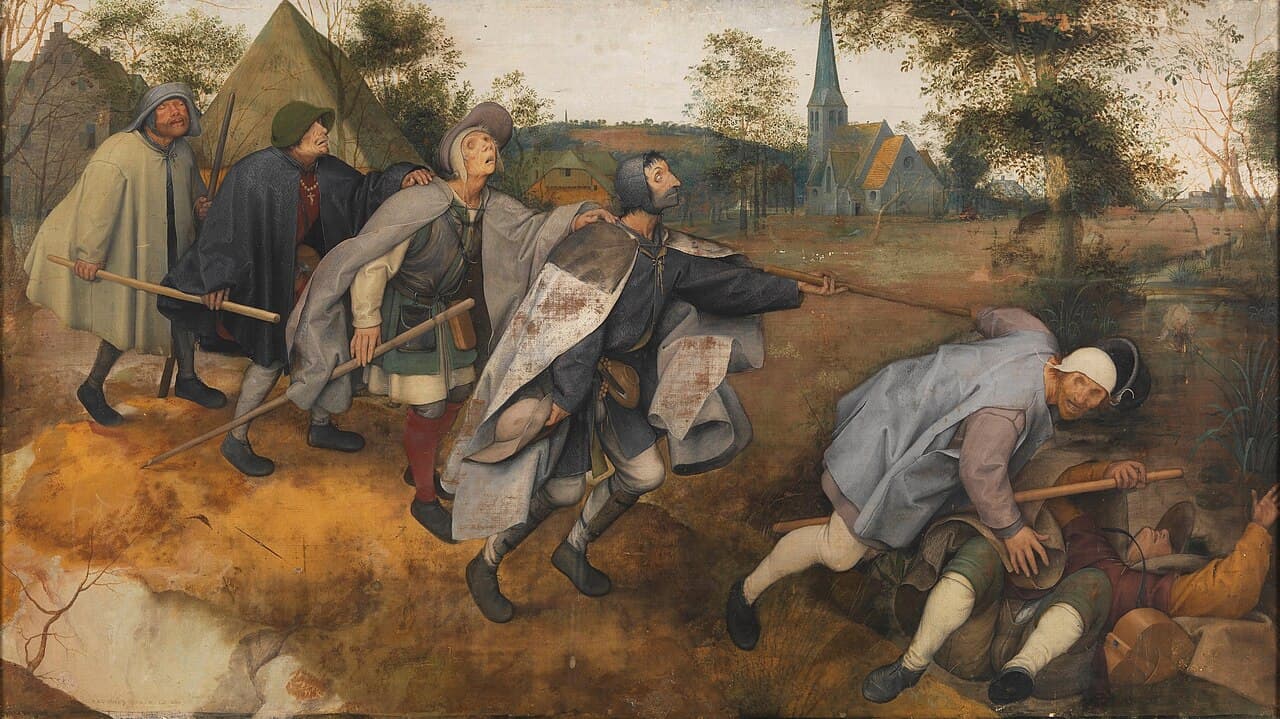
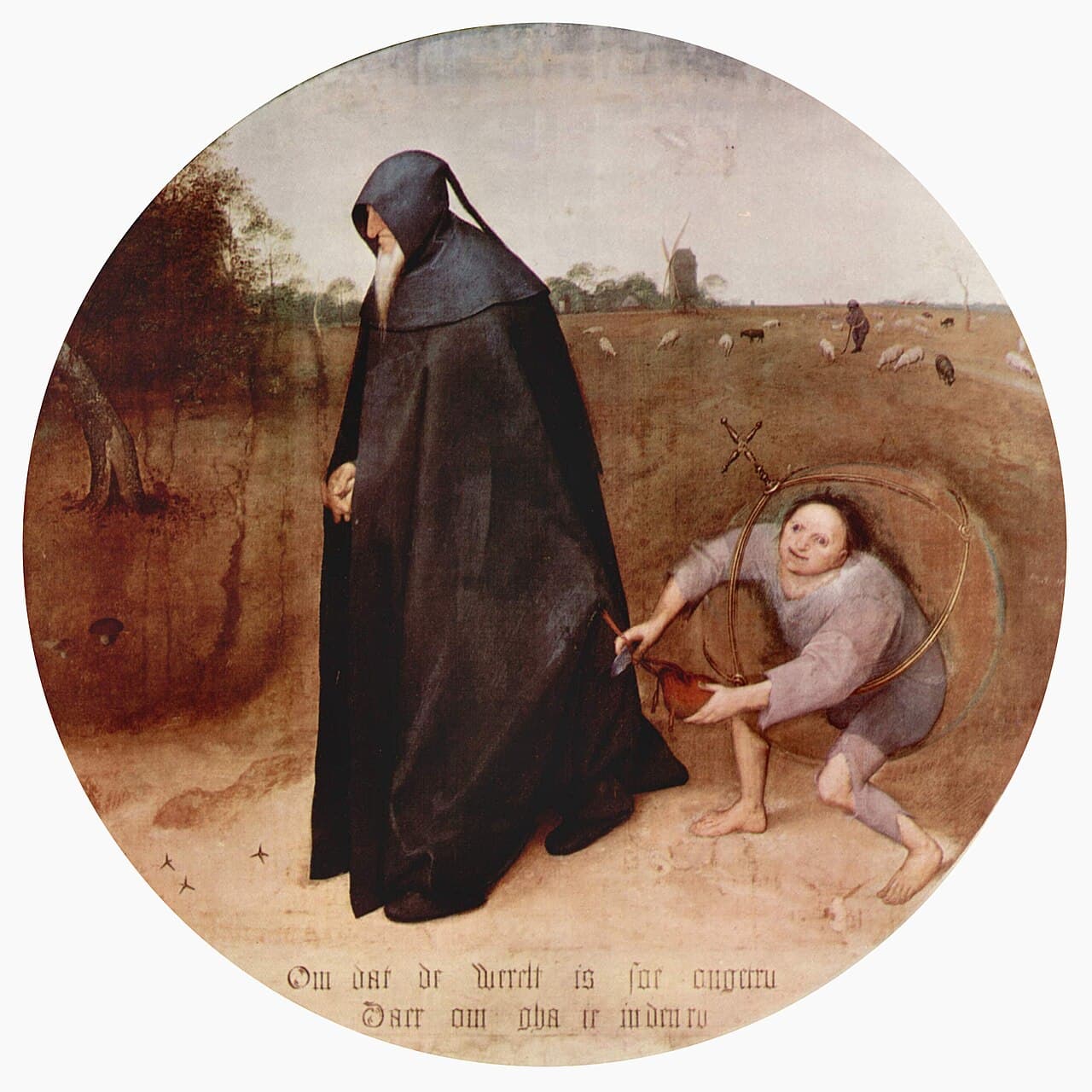
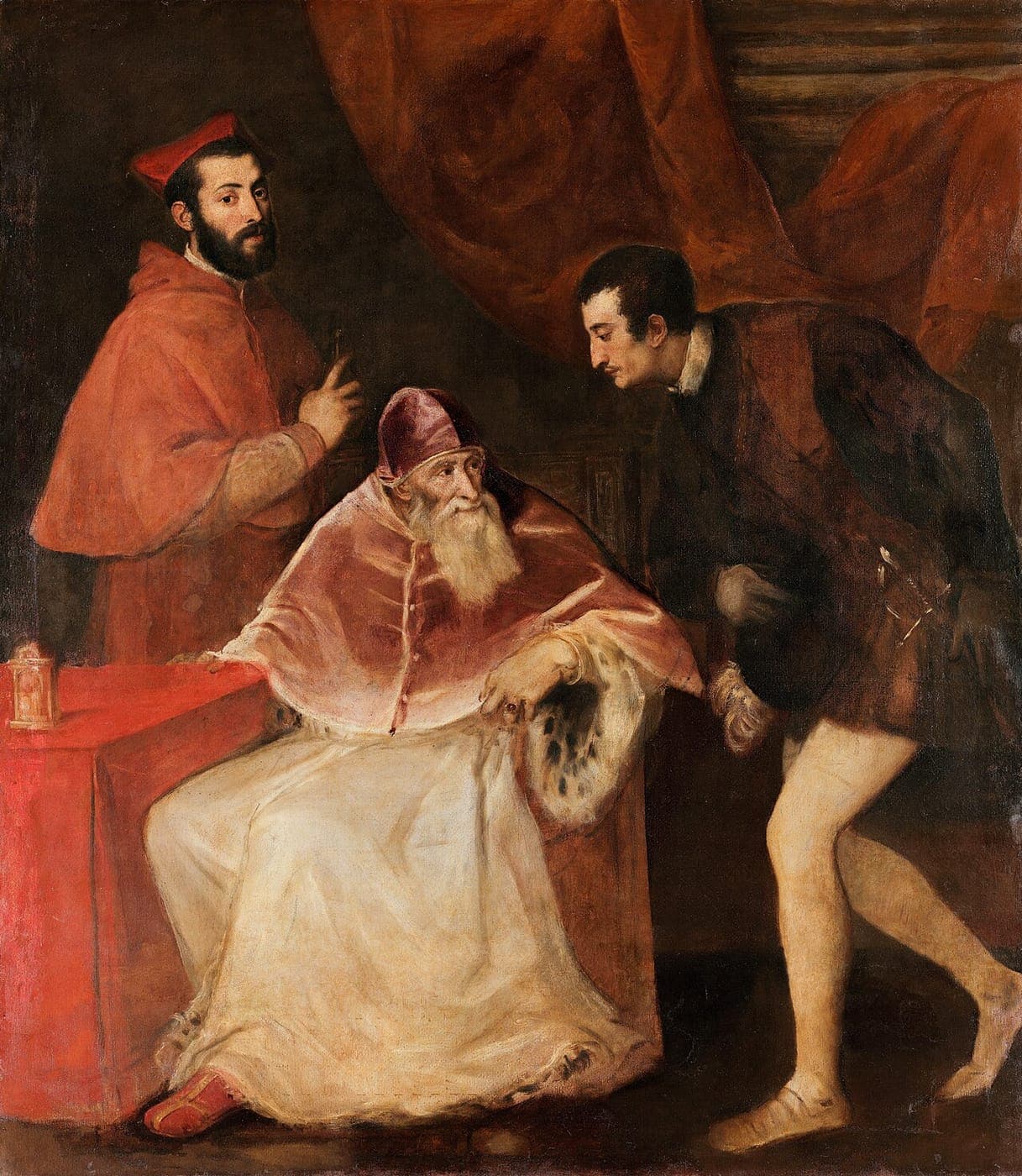
The Farnese collection, inherited by Charles of Bourbon in 1731, is the core of the museum. It includes Titian's portraits of the Farnese pope Paul III, Raphael, Parmigianino's Antea, Masaccio's Crucifixion and Bruegel's The Parable of the Blind and The Misanthrope.
The Neapolitan school is shown in depth, from Caravaggio's Flagellation, painted for a Naples church, to Artemisia Gentileschi, Ribera and Luca Giordano.
At ArtLogia you can order 85 of its paintings as hand-painted reproductions, by 53 artists led by Titian, Joachim Beuckelaer and Parmigianino.
- paintings to order
- 85
- artists
- 53
- art movements
- 10
- years covered
- 1317–1820
The building
The palace on the hill of Capodimonte was begun in 1738 as a hunting lodge and museum. Its royal apartments and the porcelain room from Portici are shown alongside the galleries.
Masterpieces to see


Planning a visit
The palace is surrounded by the Real Bosco, a royal park with views over the Bay of Naples.