About the museum
The story of the Musée de l'Orangerie
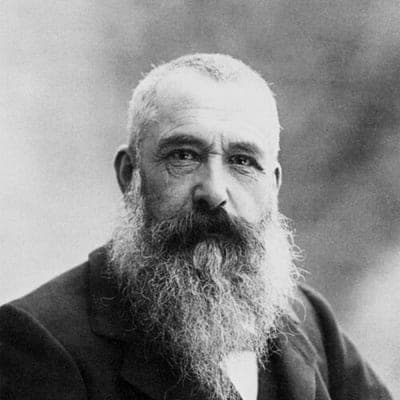
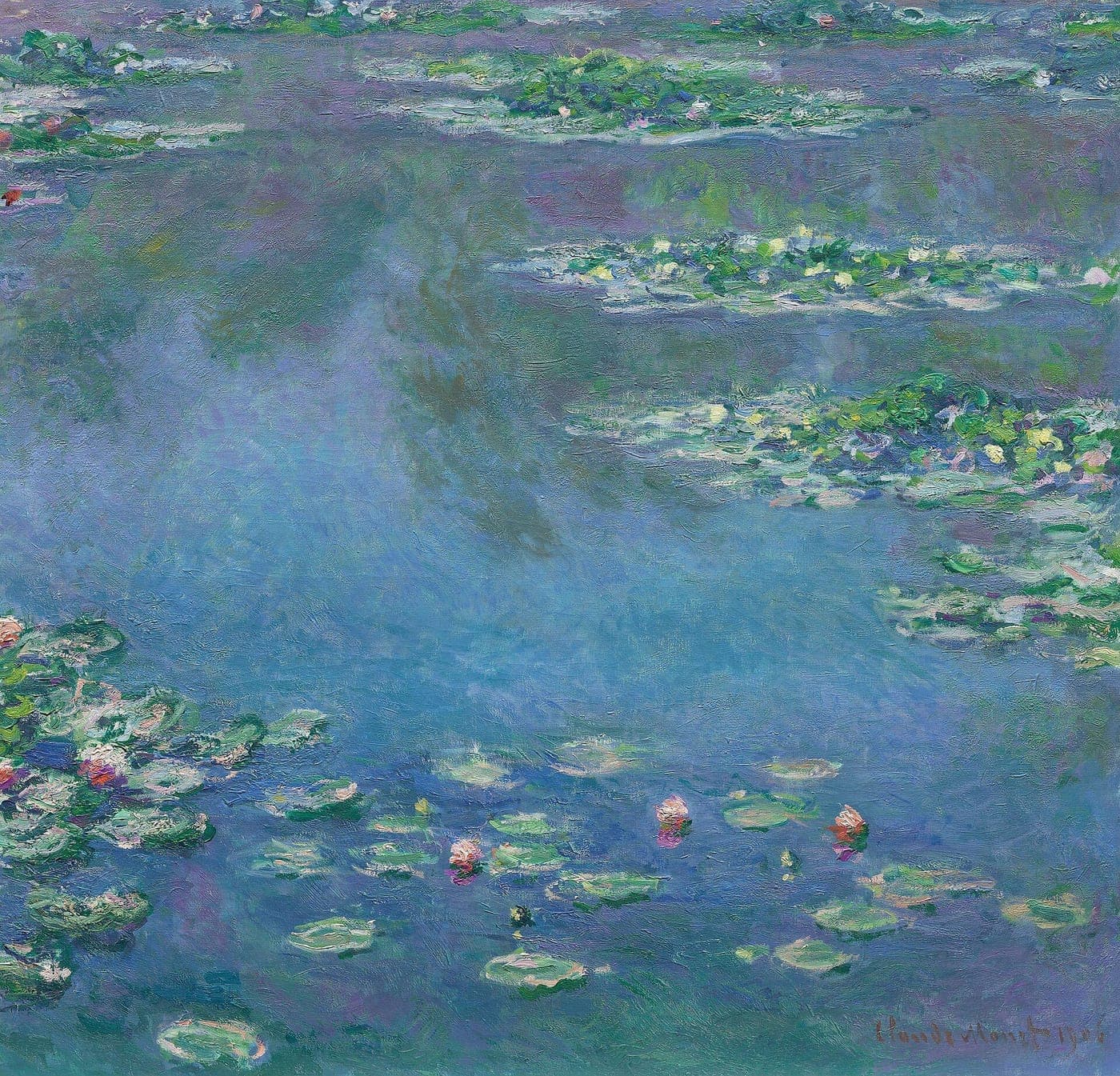
The Musée de l'Orangerie stands in the Tuileries Garden in Paris, in a nineteenth-century orangery built to shelter the garden's orange trees. Claude Monet gave the French state his great Water Lilies cycle, installed here in 1927.
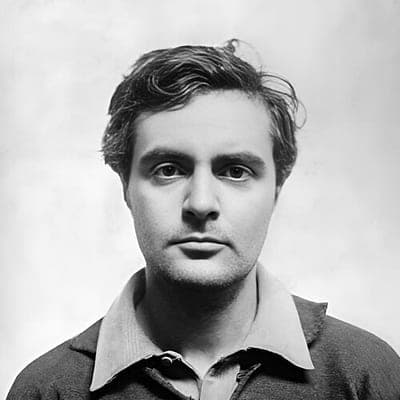
Eight huge panels fill two oval rooms lit from above, and the lower floor shows the Walter-Guillaume collection of Renoir, Cézanne, Matisse, Picasso, Modigliani and Soutine.
The collection
Monet worked on the Water Lilies for the last decades of his life and gave the French state a cycle of eight great panels as a monument to peace, the day after the Armistice of 1918. They were installed in the Orangerie in 1927, a few months after his death.
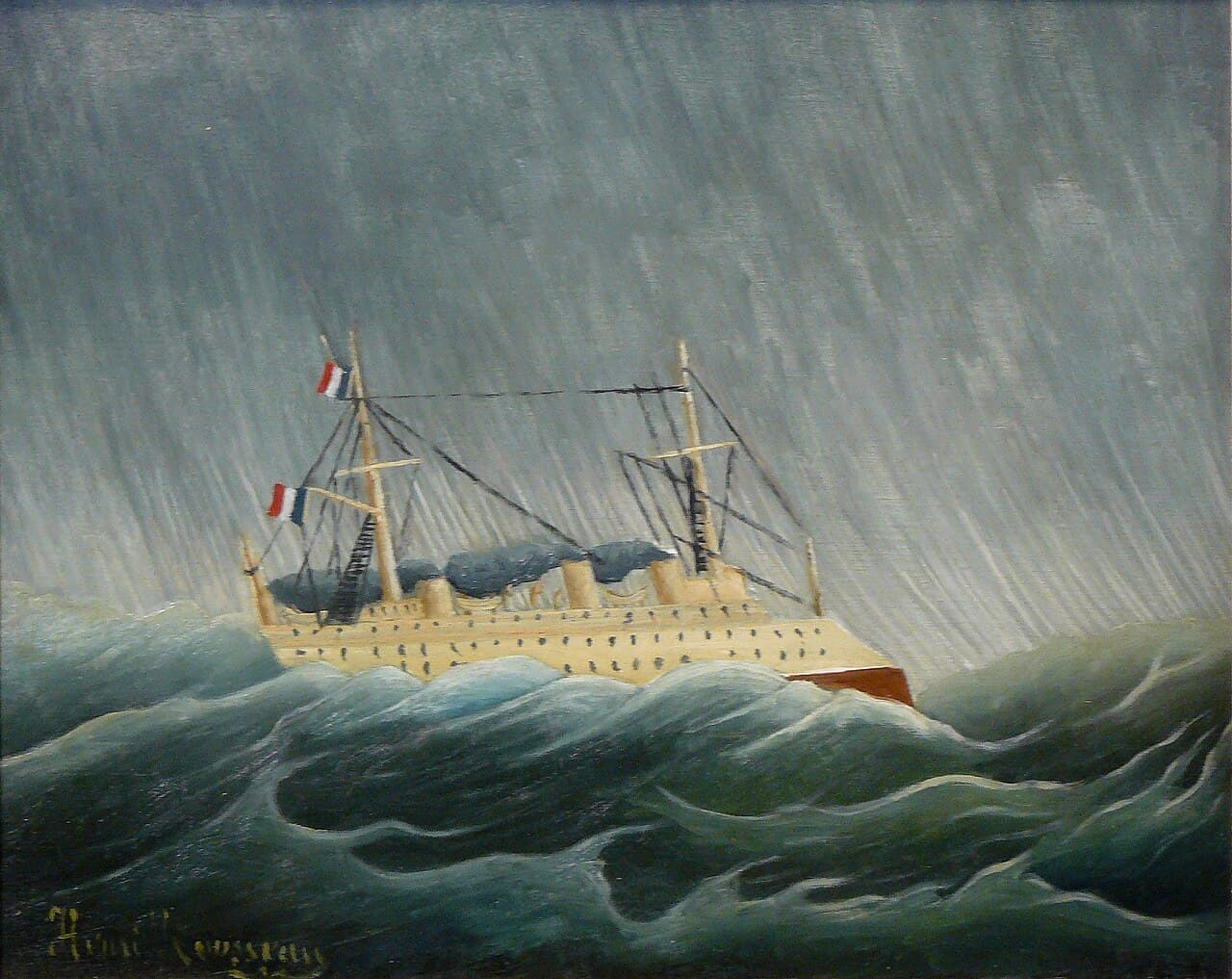
The Walter-Guillaume collection, assembled by the art dealer Paul Guillaume and his wife Domenica, adds 146 works by Renoir, Cézanne, Rousseau, Matisse, Picasso, Modigliani, Derain and Soutine.
At ArtLogia you can order 34 of its paintings as hand-painted reproductions, by 8 artists led by Pierre-Auguste Renoir, Henri Rousseau and Paul Cézanne.
- paintings to order
- 34
- artists
- 8
- art movements
- 3
- years covered
- 1872–1928
The building
The orangery was built in 1852 to shelter the orange trees of the Tuileries Garden in winter. After its remodelling for Monet's panels, it was renovated again in 2000–06 so the Water Lilies rooms could once more be lit by natural light from above.
Masterpieces to see
Planning a visit
Monet wanted the oval rooms to be a place of calm, so visit early and sit for a while on the central benches.