About the museum
The story of the Musée Marmottan Monet
The Musée Marmottan Monet is a former hunting lodge in the 16th arrondissement of Paris, near the Bois de Boulogne. It opened as a museum in 1934, and in 1966 Michel Monet, the painter's son, left it his father's own collection.
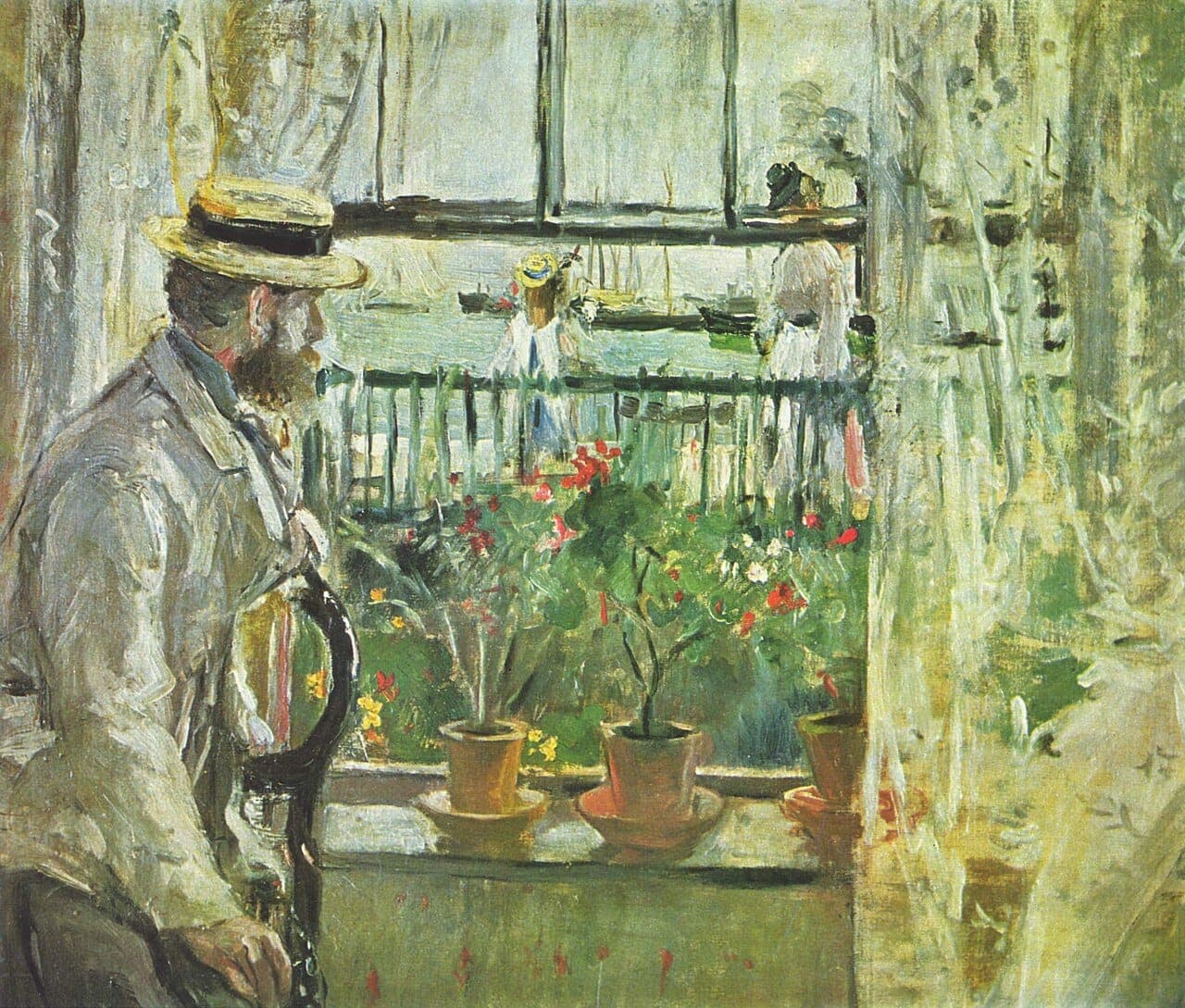
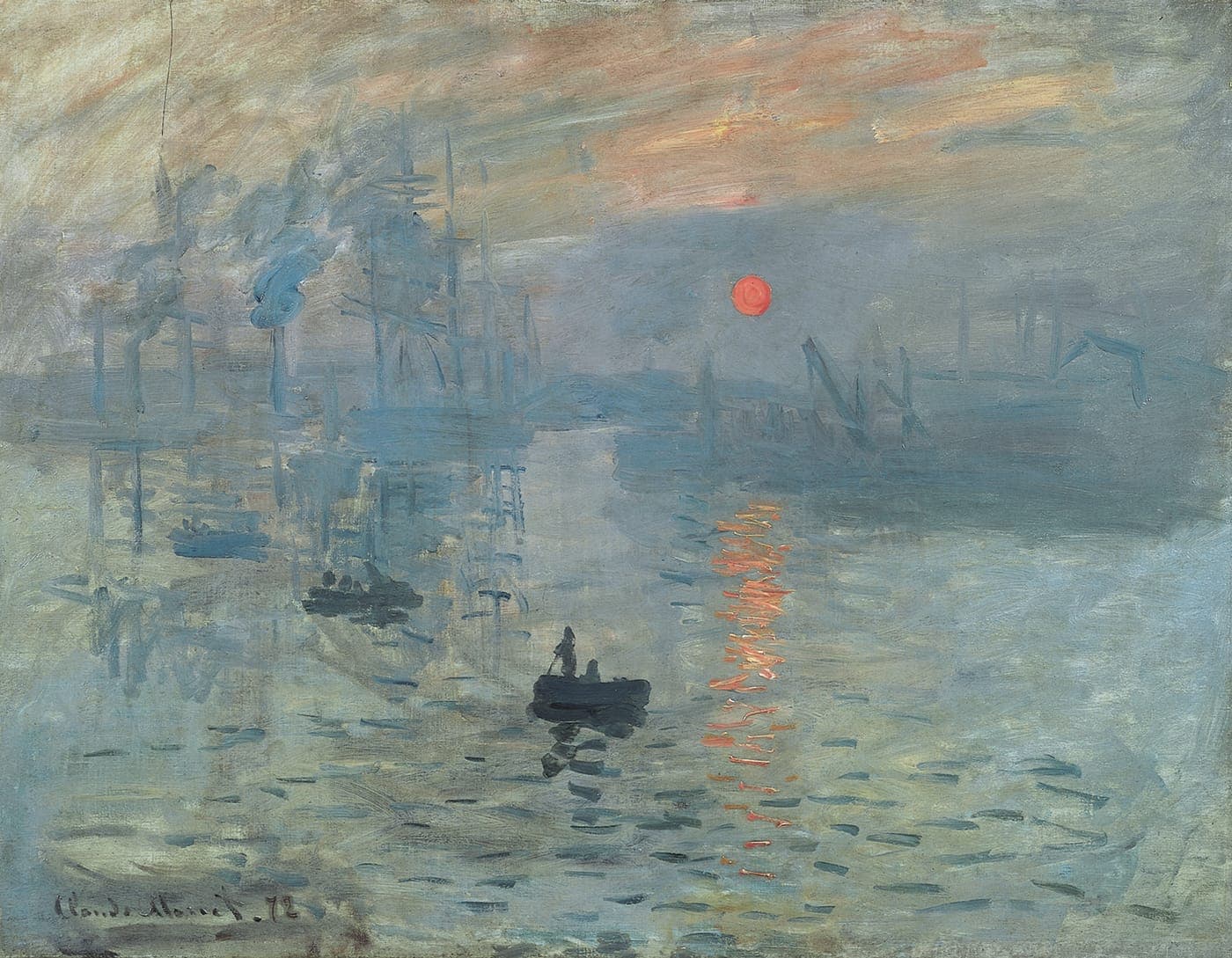
It now holds the world's largest collection of Claude Monet, including the painting that gave Impressionism its name, along with Berthe Morisot.
The collection
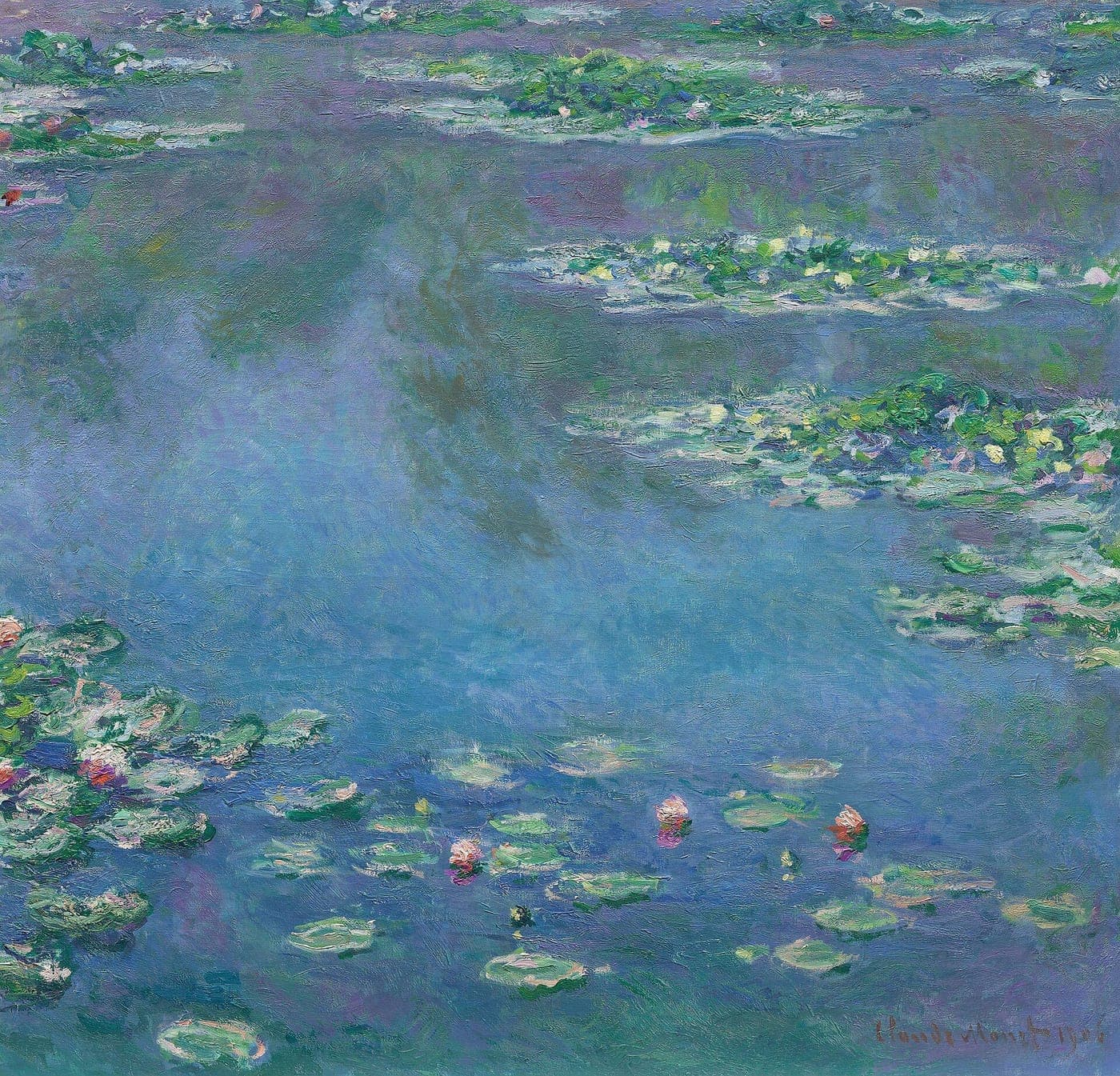
The museum began with the Napoleonic furniture and art of Paul Marmottan. Gifts from the families of Impressionist painters transformed it, above all Michel Monet's bequest of his father's paintings in 1966, which included many late works from Giverny.
It now holds about 300 works by Monet, including Impression, Sunrise, and the largest collection of Berthe Morisot, as well as medieval illuminated manuscripts.
At ArtLogia you can order 15 of its paintings as hand-painted reproductions, by 9 artists led by Claude Monet, Gustave Caillebotte and Berthe Morisot.
- paintings to order
- 15
- artists
- 9
- art movements
- 4
- years covered
- 1810–1893
The building
The museum is a nineteenth-century hunting pavilion of the Duke of Valmy on the edge of the Bois de Boulogne, enlarged in 1882, with a modern underground gallery built to show Monet's large paintings.
Masterpieces to see
Planning a visit
Monet's late Water Lilies are shown in the lower gallery, a quieter alternative to the Orangerie.