About the museum
The story of the National Gallery
The National Gallery was founded in 1824, when the British government bought 38 paintings from the banker John Julius Angerstein. It moved to its present home on Trafalgar Square in 1838 and has been free to visit ever since.
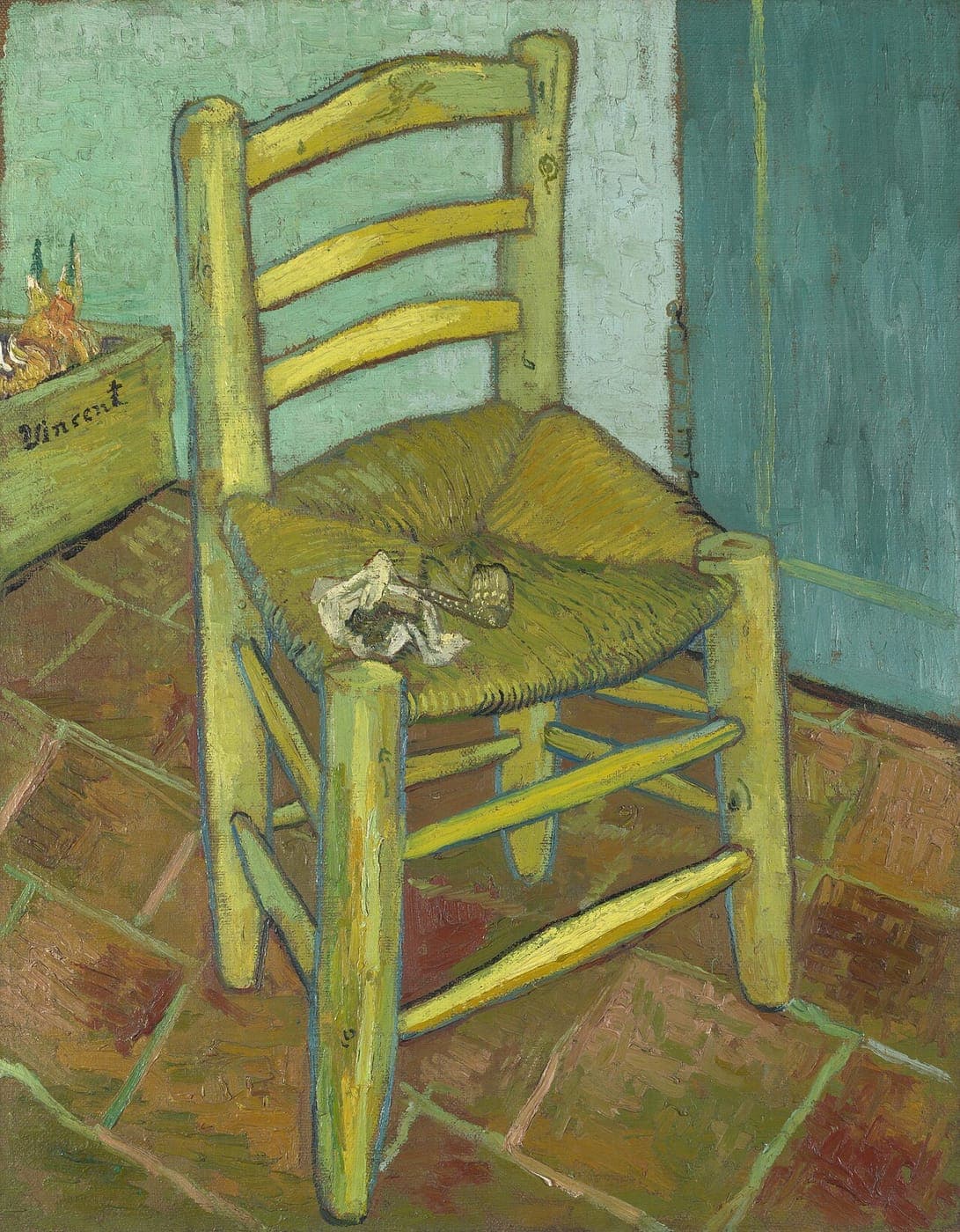
Its collection of some 2,300 paintings tells the story of Western European art from the thirteenth century to 1900, with outstanding works by van Eyck, Leonardo, Titian, Rembrandt, Turner, Constable and Van Gogh.
The collection
The National Gallery's collection is relatively small for a great museum, around 2,300 paintings, but it was bought with the aim of telling the whole story of European painting, so almost every school and period is represented by a key work.
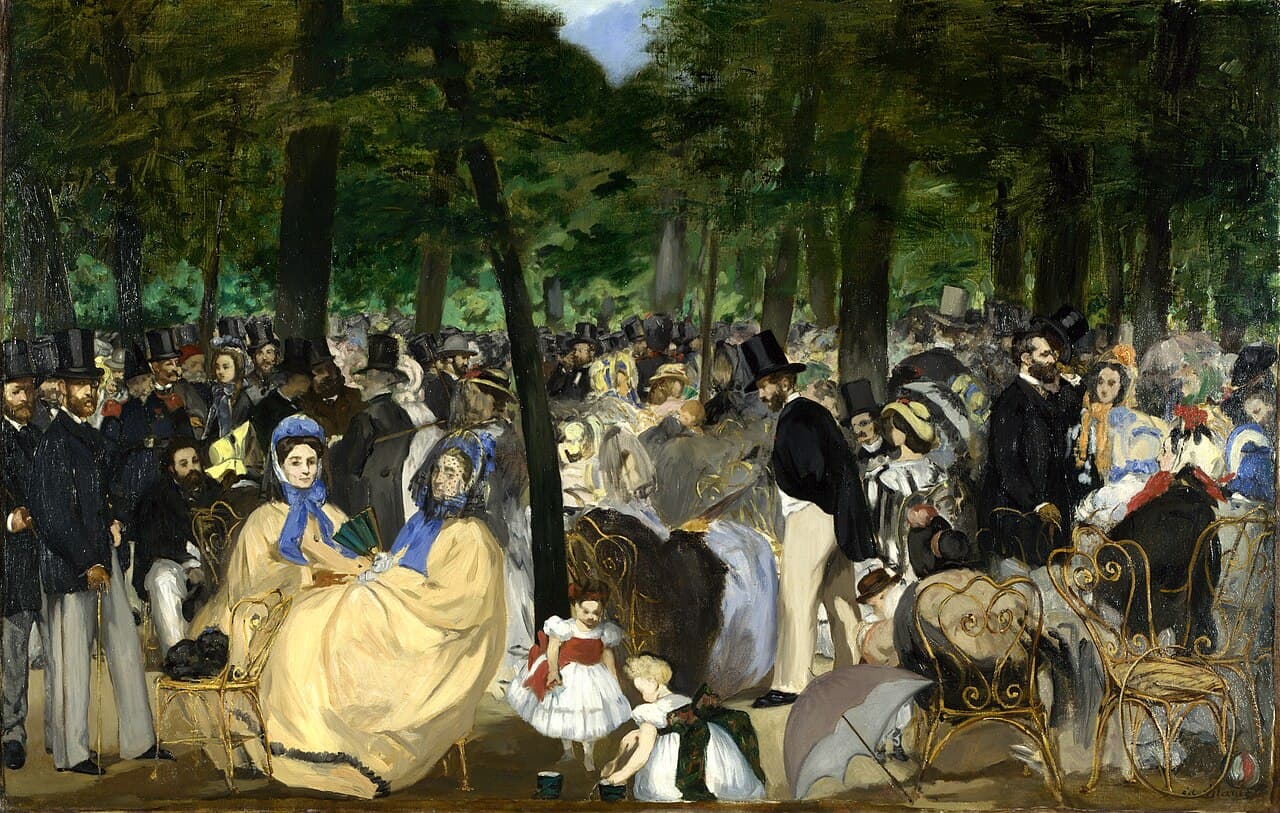
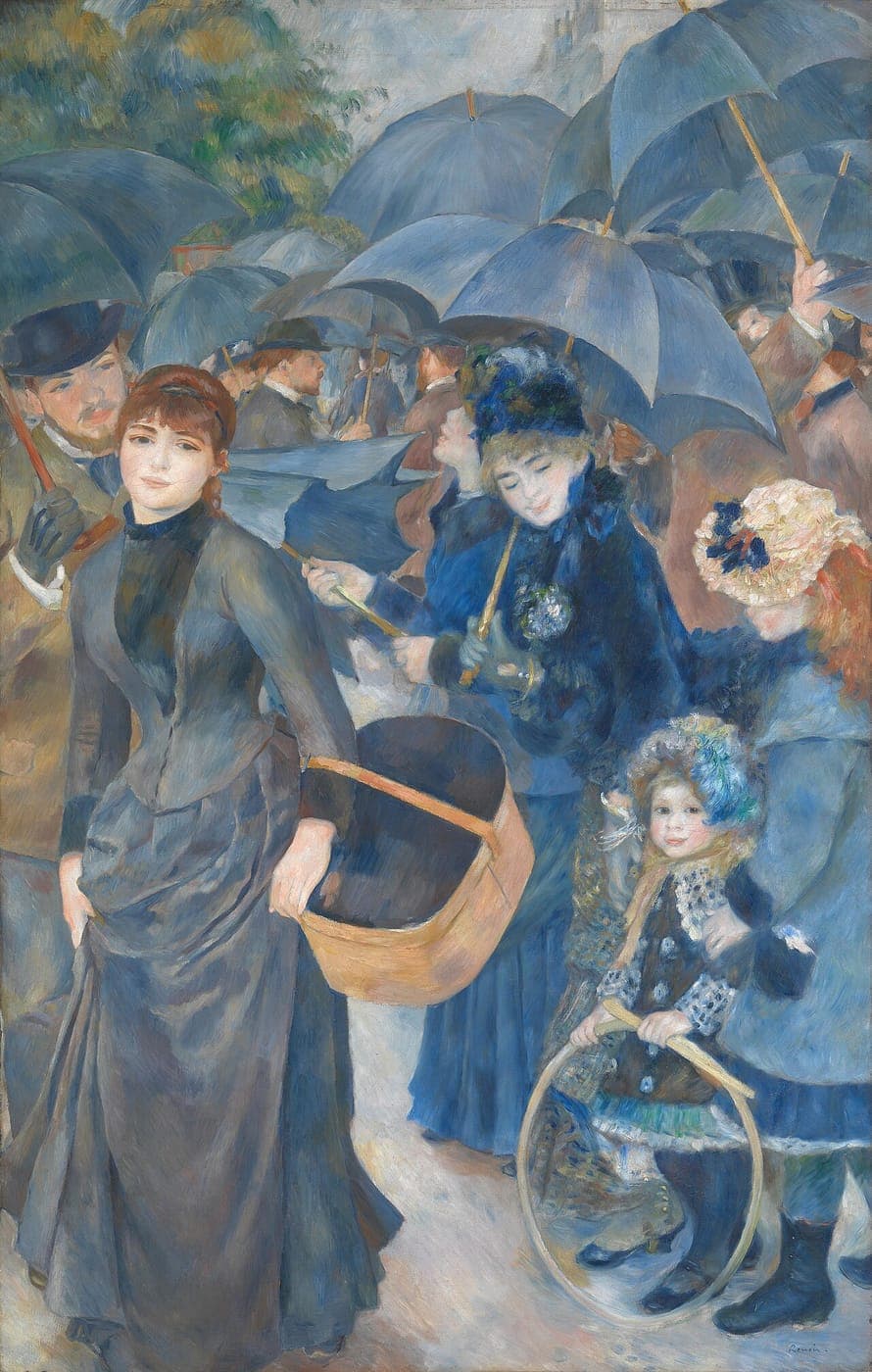
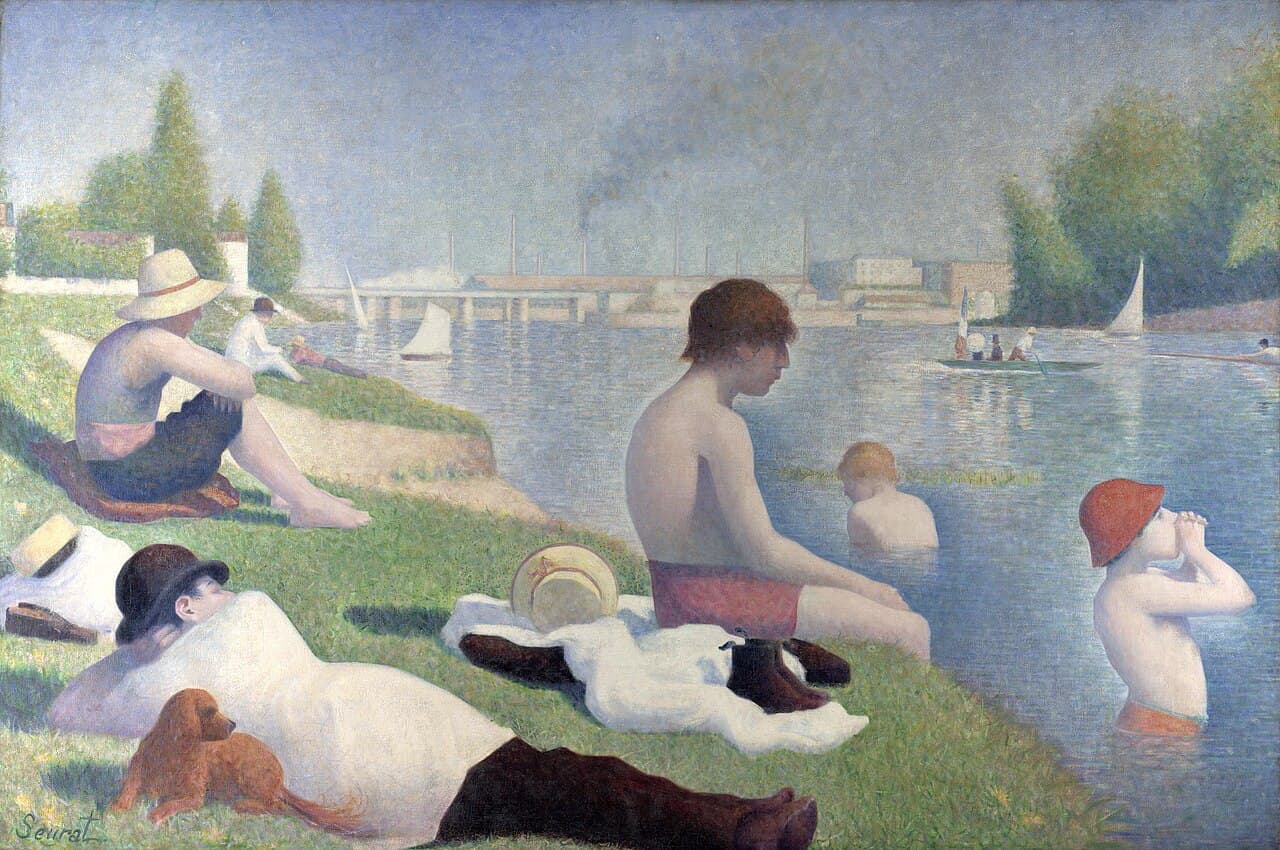
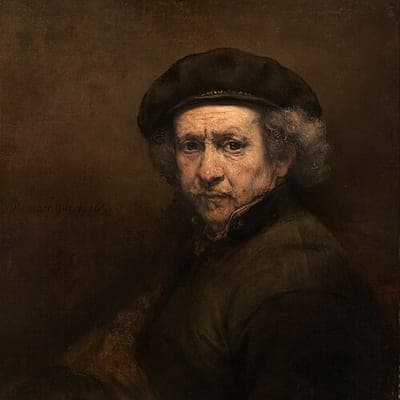
Its Sainsbury Wing holds early Italian and Netherlandish paintings such as the Wilton Diptych and Piero della Francesca's Baptism of Christ, while the main building leads through Titian's poesie, Velázquez's Rokeby Venus and Rembrandt's late self-portraits to Turner, Constable and the Impressionists.
At ArtLogia you can order 745 of its paintings as hand-painted reproductions, by 301 artists led by J. M. W. Turner, Willem van de Velde the Younger and Titian.
- paintings to order
- 745
- artists
- 301
- art movements
- 20
- years covered
- 1300–1918
The building
William Wilkins' building with its long portico and dome opened on Trafalgar Square in 1838, sharing the site with the Royal Academy at first. It was enlarged many times, and the Sainsbury Wing by Robert Venturi and Denise Scott Brown opened in 1991 to house the early Renaissance collection.
Masterpieces to see
 SunflowersVincent van Gogh, 1888 · Hand-painted reproduction available
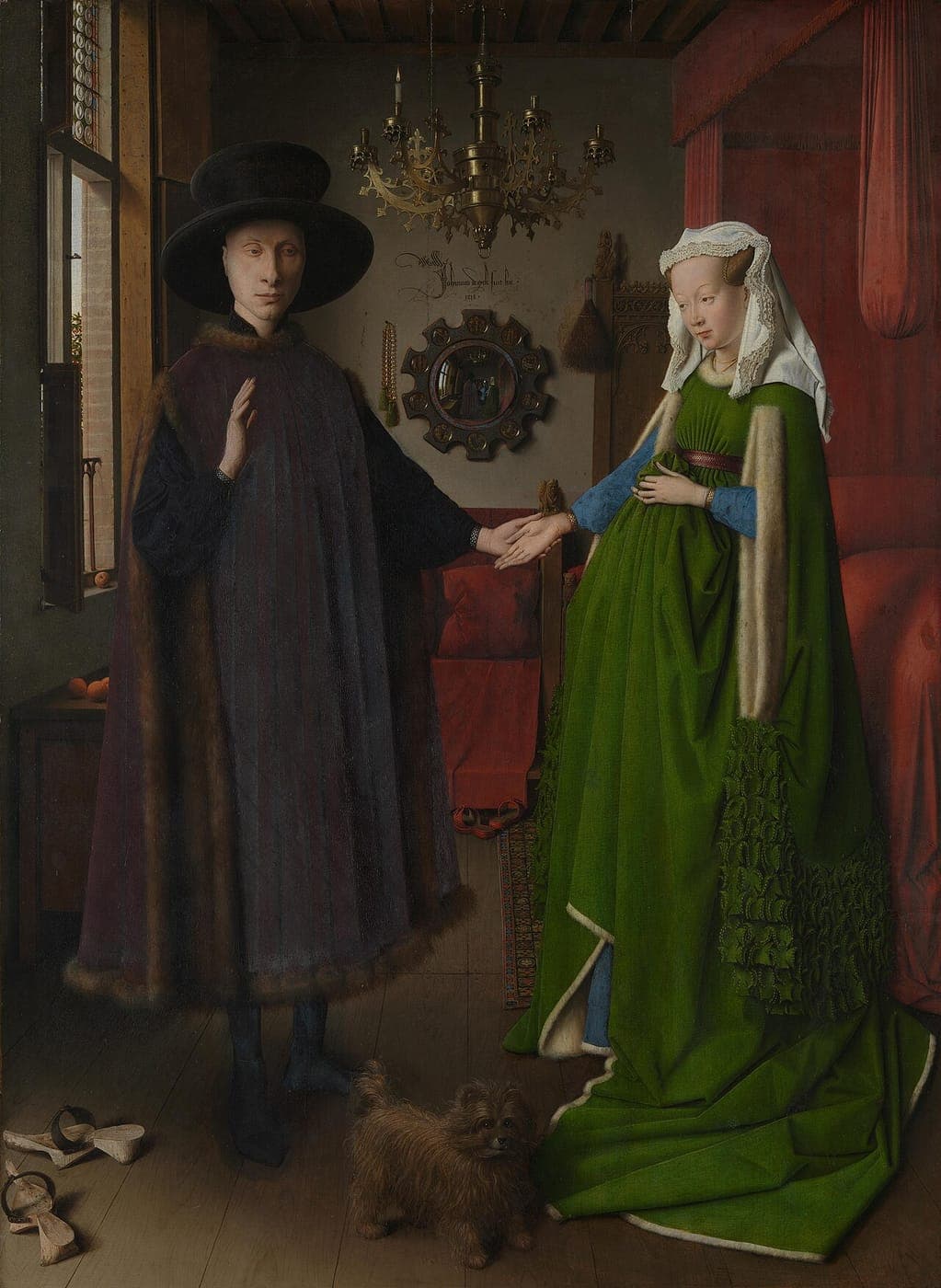 The Arnolfini PortraitJan van Eyck, 1434 · Hand-painted reproduction available
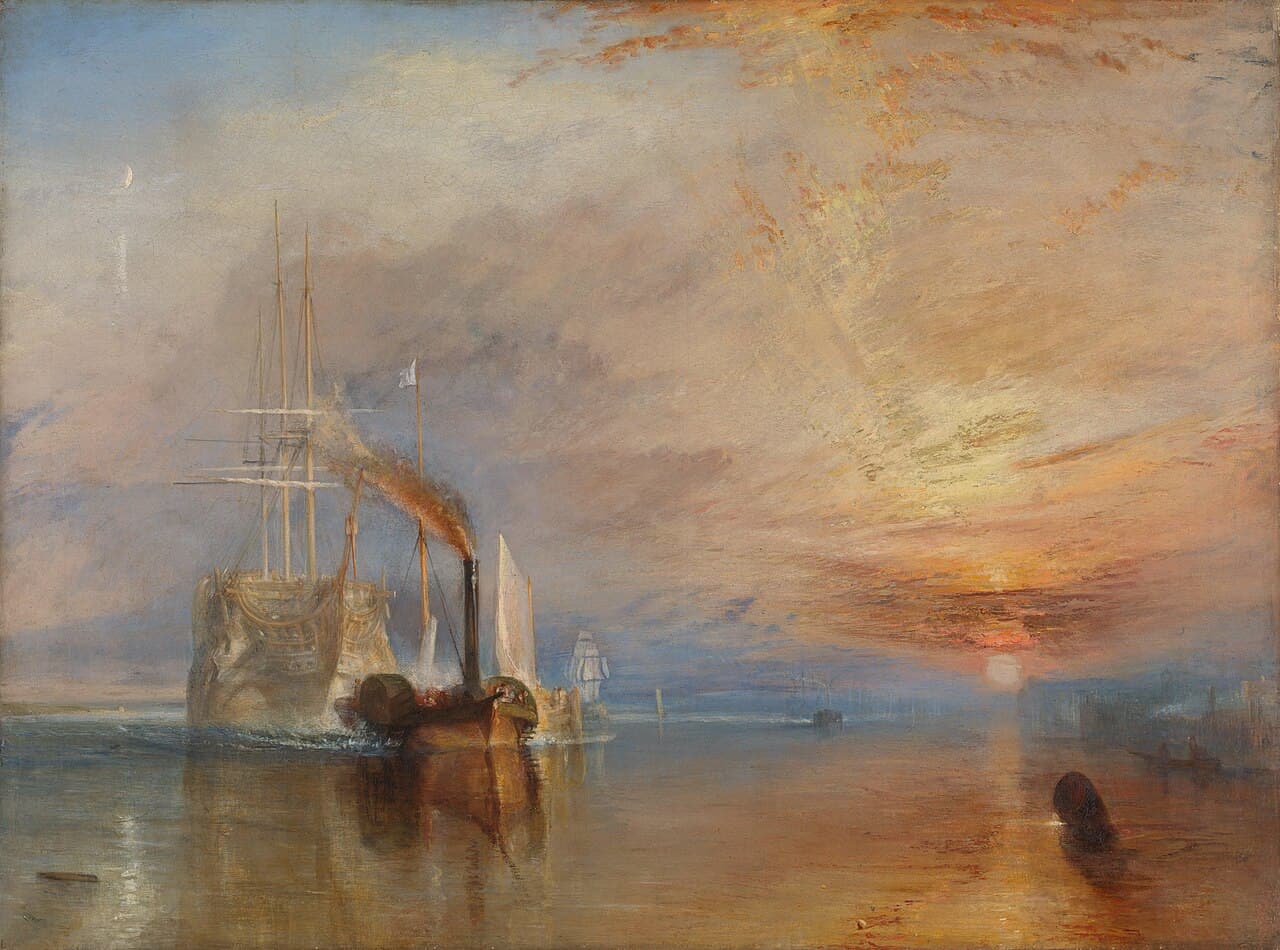 The Fighting TemeraireJ. M. W. Turner, 1839 · Hand-painted reproduction available
 The Hay WainJohn Constable, 1821 · Hand-painted reproduction available
 The AmbassadorsHans Holbein the Younger, 1533 · Hand-painted reproduction available
Planning a visit
Entry to the permanent collection is free; the Sainsbury Wing holds the early Renaissance rooms and the main building the later masters.