About the museum
The story of Tate Britain
Tate Britain opened on the banks of the Thames at Millbank in 1897, founded with the collection of the sugar refiner Henry Tate. It is the home of British art from 1500 to the present.
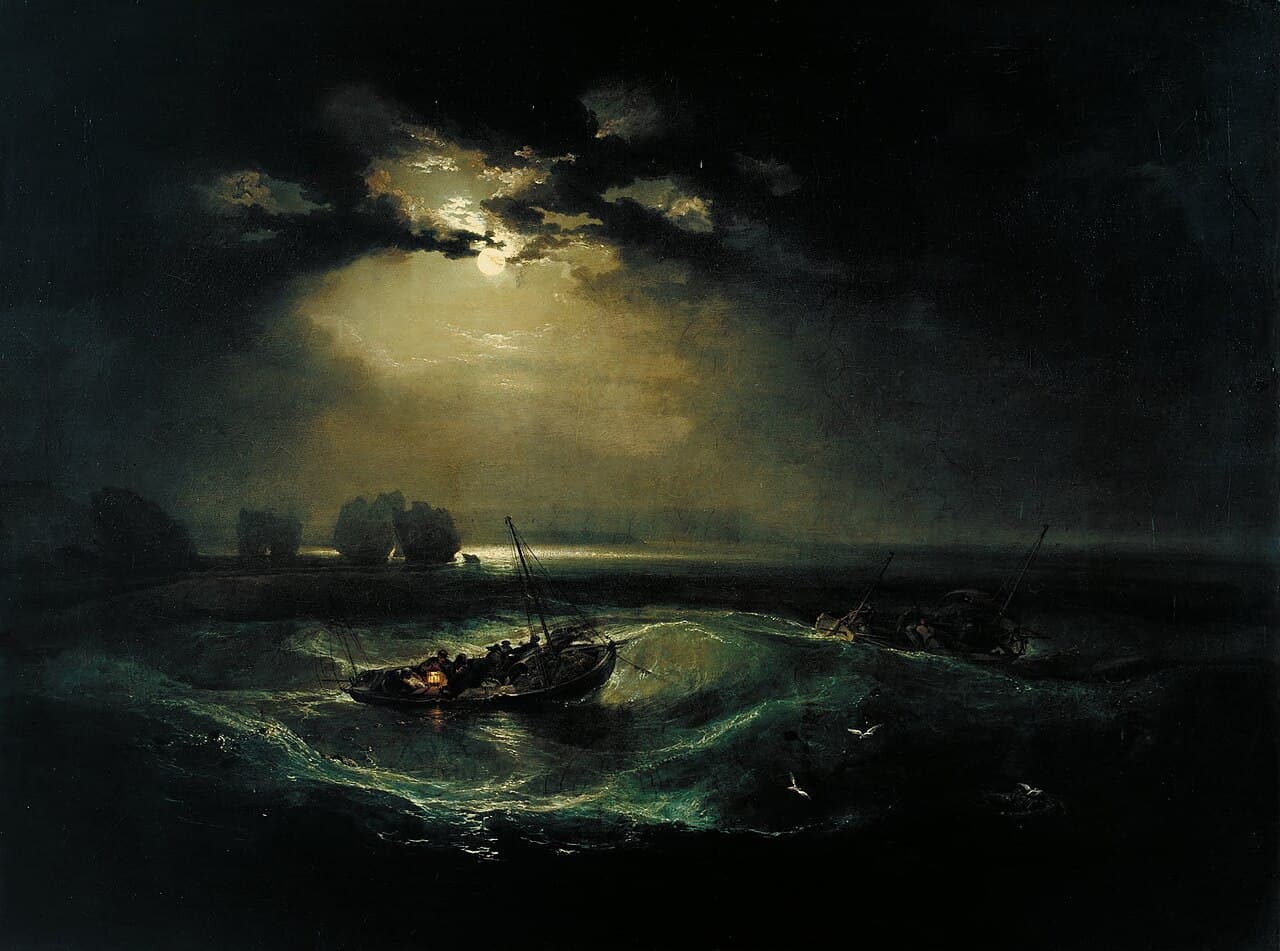
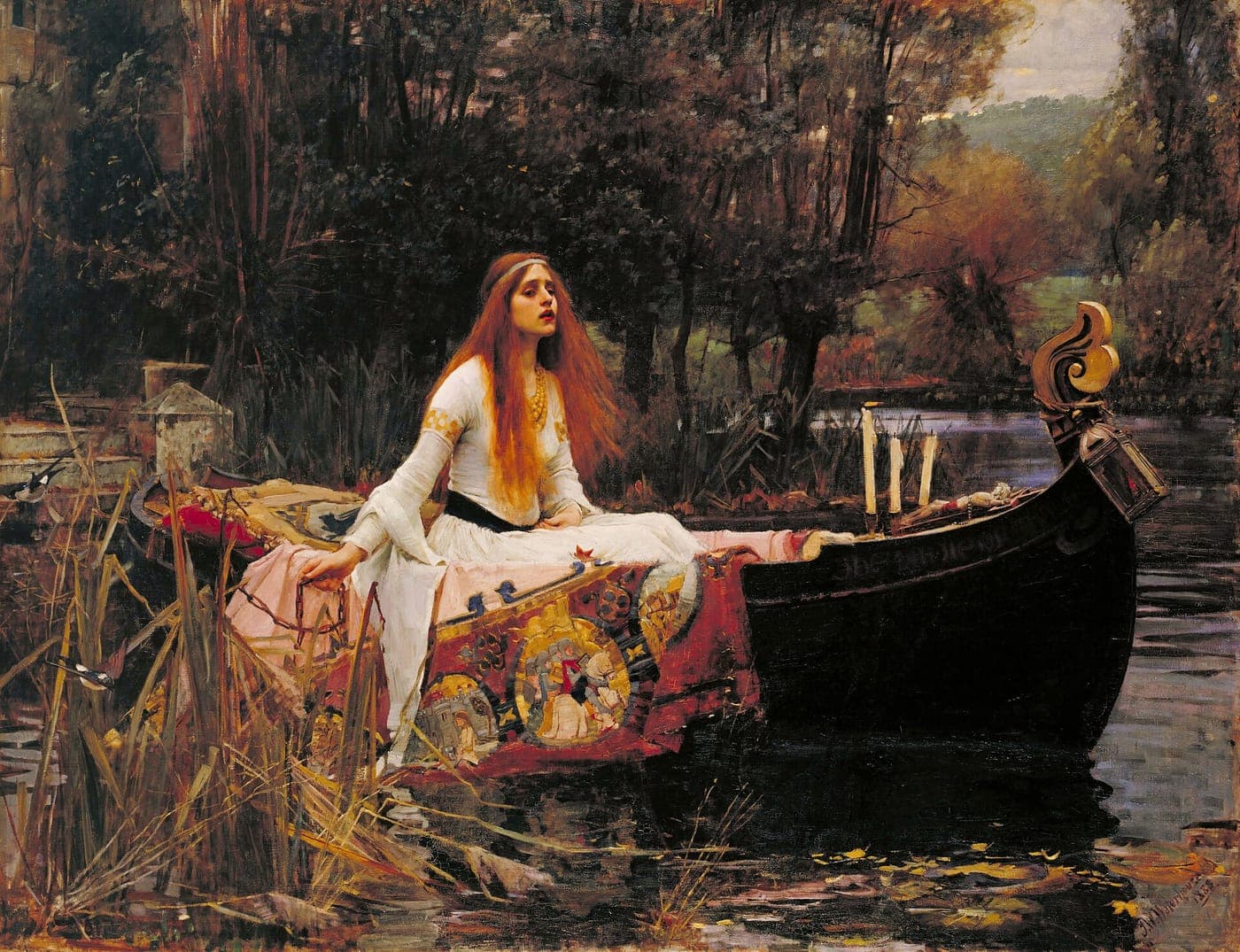
It holds the world's greatest collection of J. M. W. Turner in its Clore Gallery, and the Pre-Raphaelite masterpieces of Millais, Rossetti and Waterhouse.
The collection
Tate Britain shows British art from the sixteenth century to today. A chronological walk through its galleries passes Tudor portraits, Hogarth, Gainsborough, Stubbs and Constable, the Pre-Raphaelites, and modern British art by Henry Moore, Francis Bacon and Lucian Freud.
The Clore Gallery holds the Turner Bequest, nearly 300 oil paintings and 30,000 works on paper that J. M. W. Turner left to the nation.
At ArtLogia you can order 102 of its paintings as hand-painted reproductions, by 60 artists led by J. M. W. Turner, John Constable and George Stubbs.
- paintings to order
- 102
- artists
- 60
- art movements
- 11
- years covered
- 1638–1937
The building
The building, by Sidney R. J. Smith, opened in 1897 on the site of the Millbank Penitentiary. Its Duveen Galleries, completed in 1937, are the first public galleries in England designed for sculpture, and the Clore Gallery by James Stirling opened in 1987.
Masterpieces to see


Planning a visit
Entry to the collection is free; the Tate Boat links Tate Britain and Tate Modern along the river.