

About the museum
The story of the National Gallery of Canada
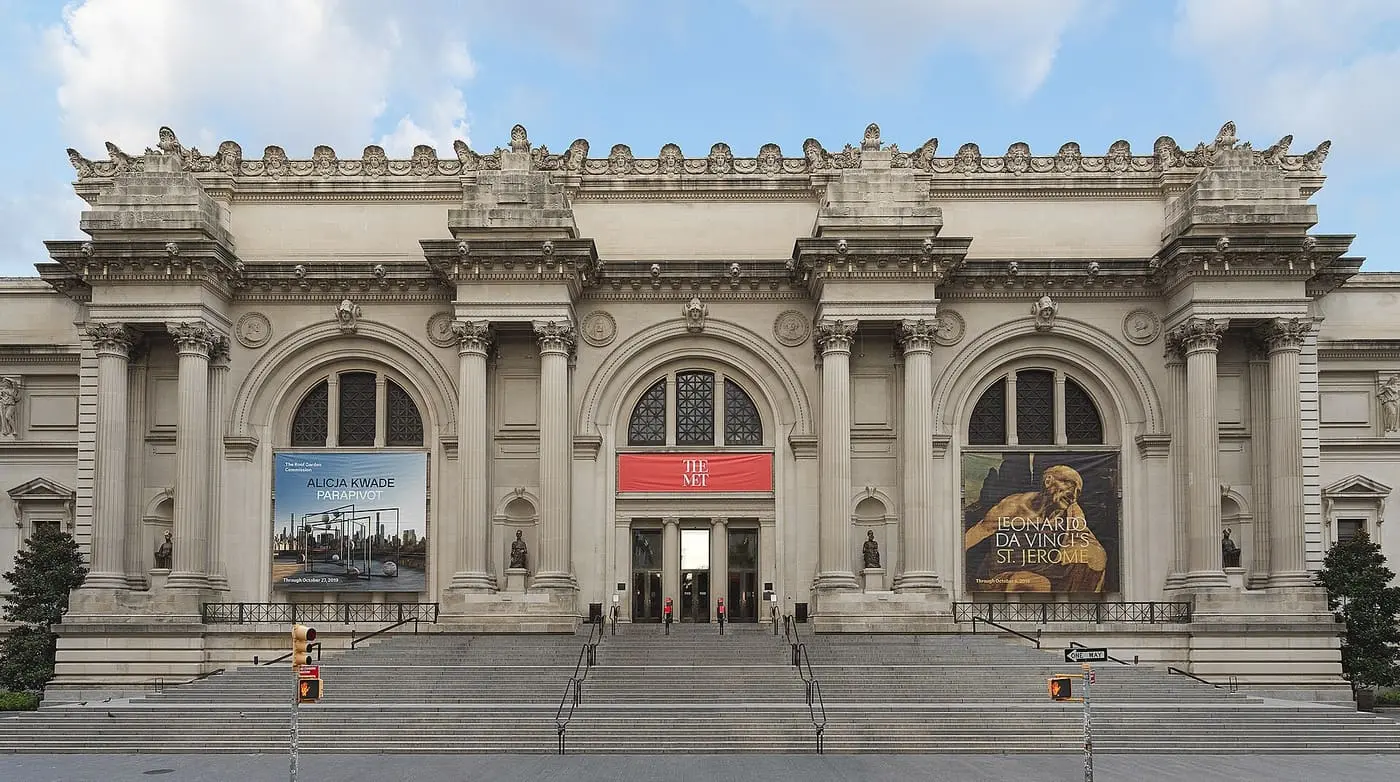
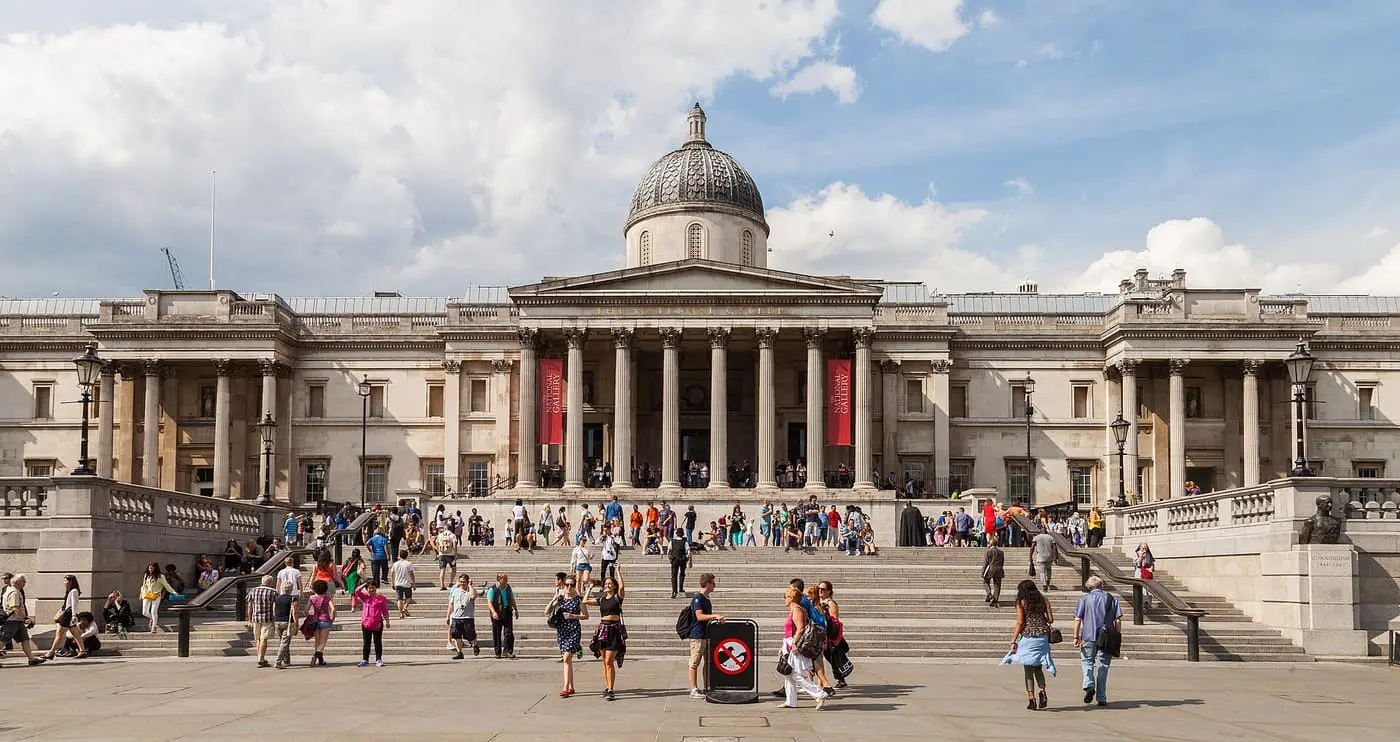
The National Gallery of Canada was founded in 1880 and moved in 1988 into Moshe Safdie's glass-and-granite building in Ottawa, overlooking the Ottawa River and Parliament Hill.
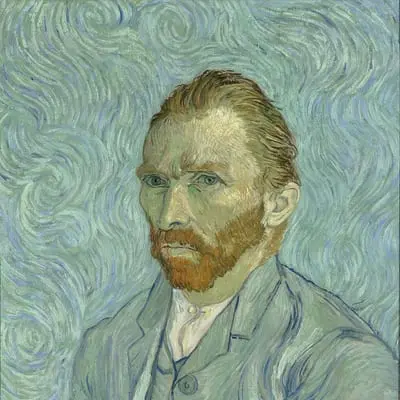
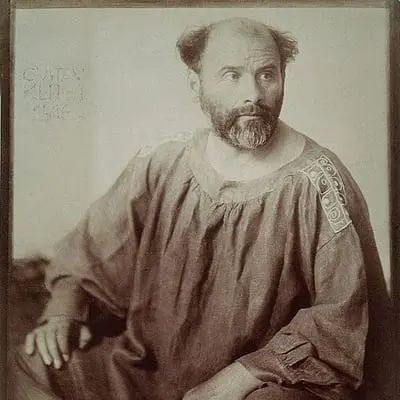
Its collection includes Canadian and Indigenous art, the Group of Seven and European masters such as Klimt and Van Gogh. Louise Bourgeois's giant spider Maman stands outside.
The collection
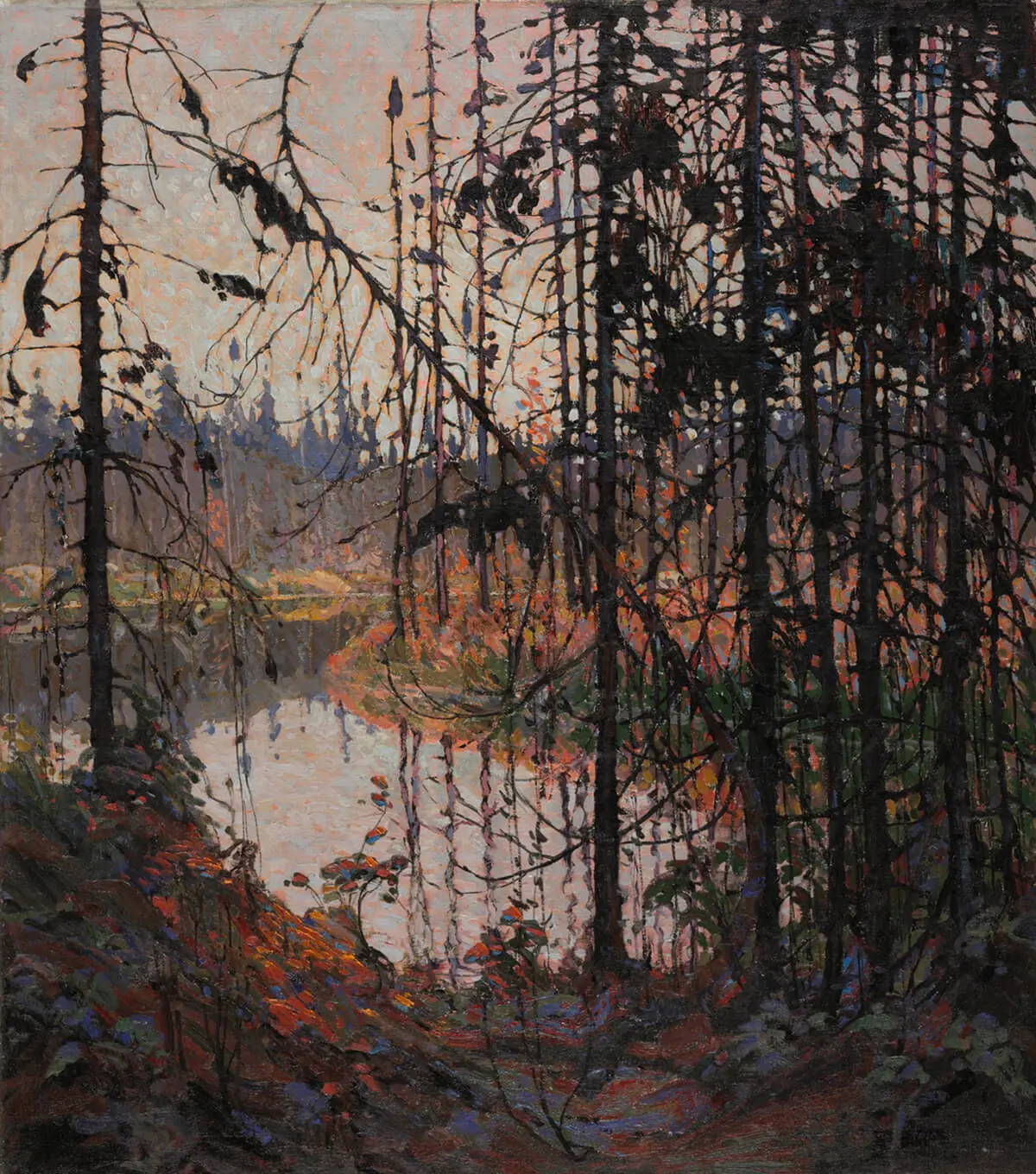
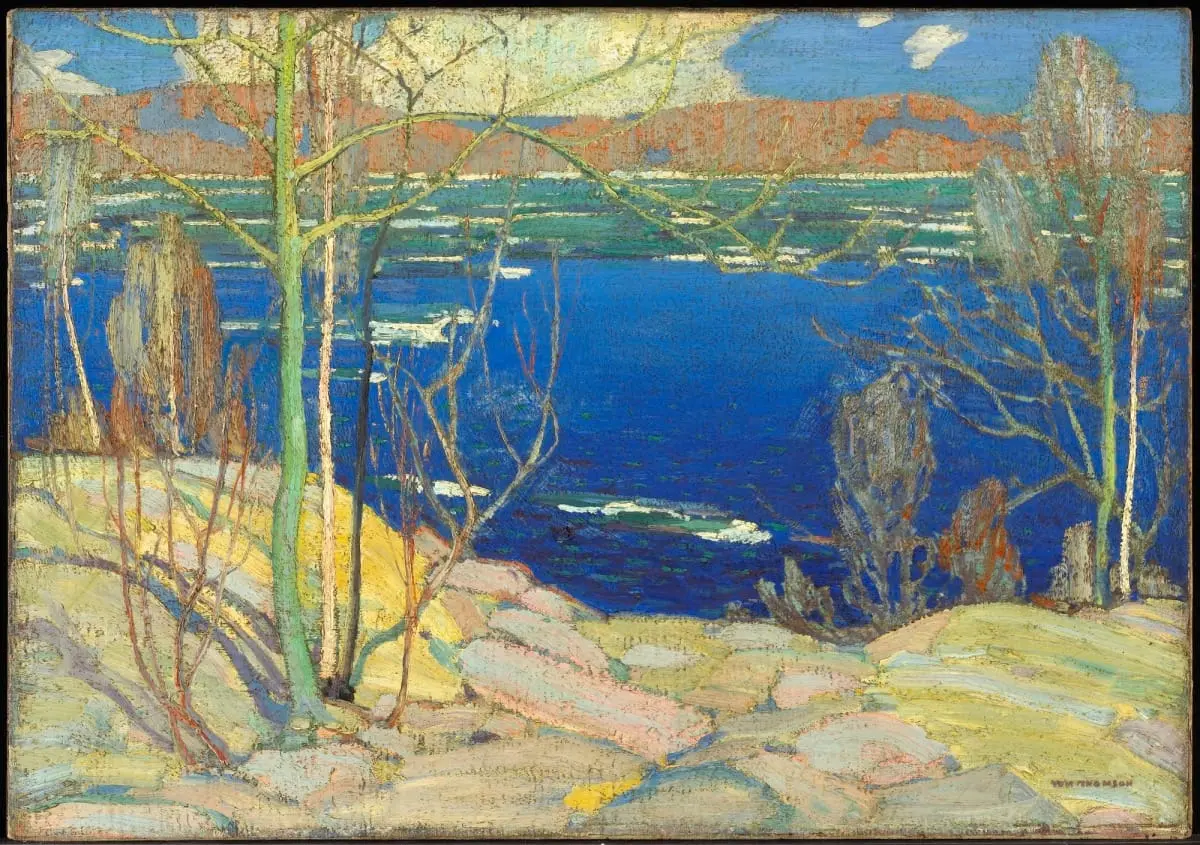
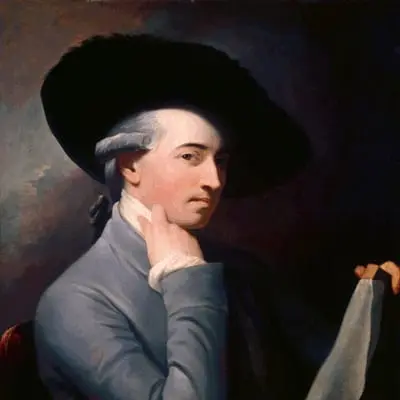
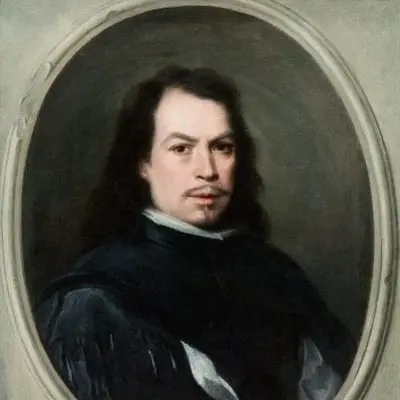
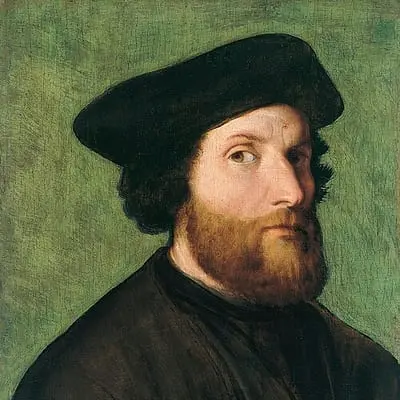
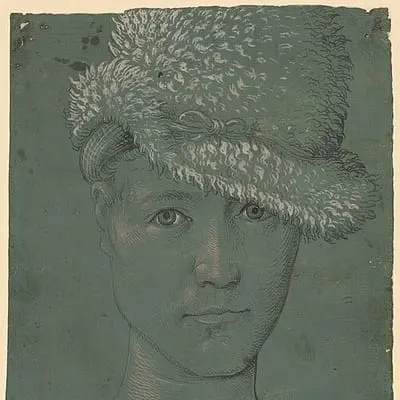
The National Gallery of Canada holds the most comprehensive collection of Canadian art, from Indigenous works to the Group of Seven and Emily Carr, as well as international art from the fourteenth century to today.
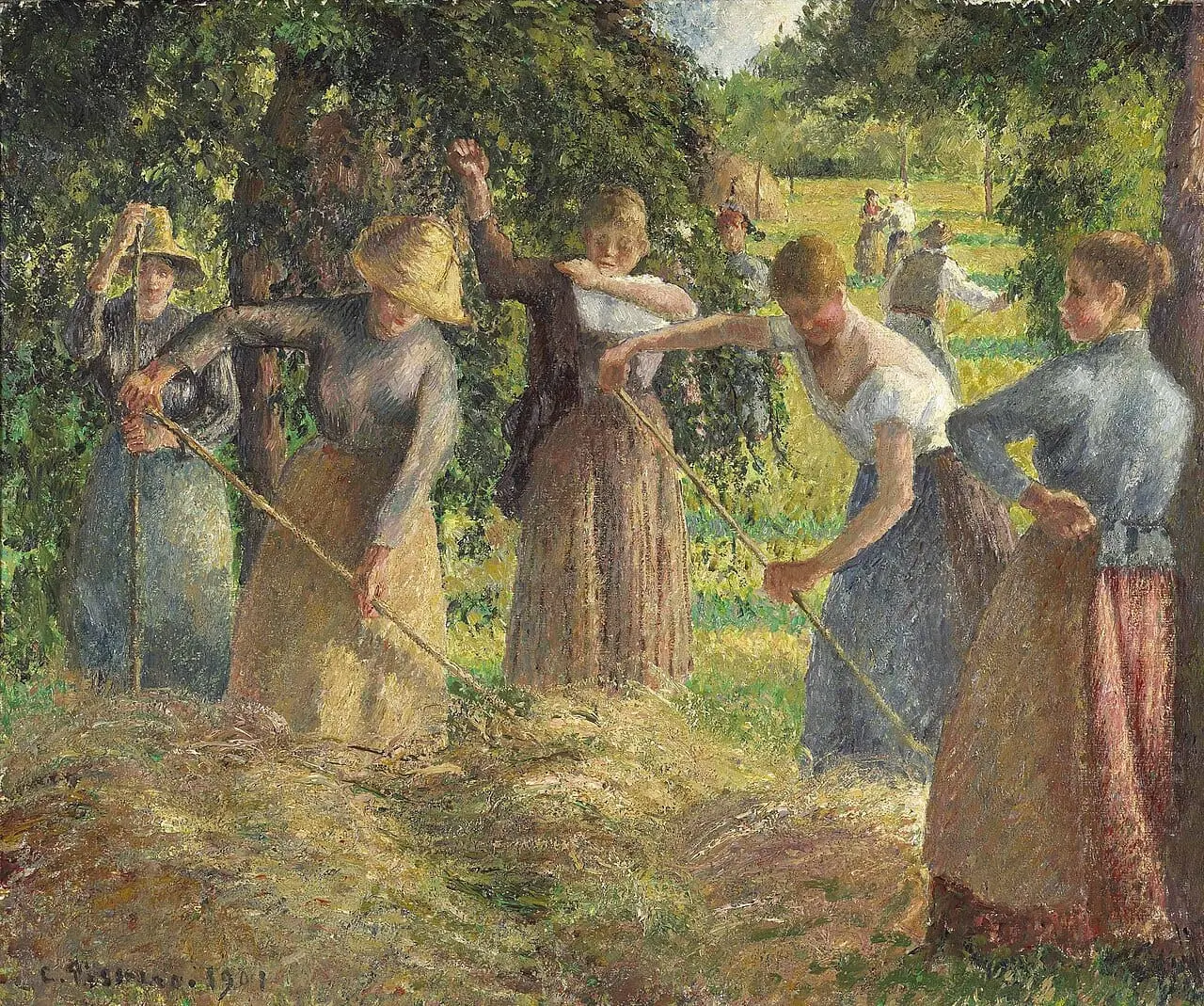
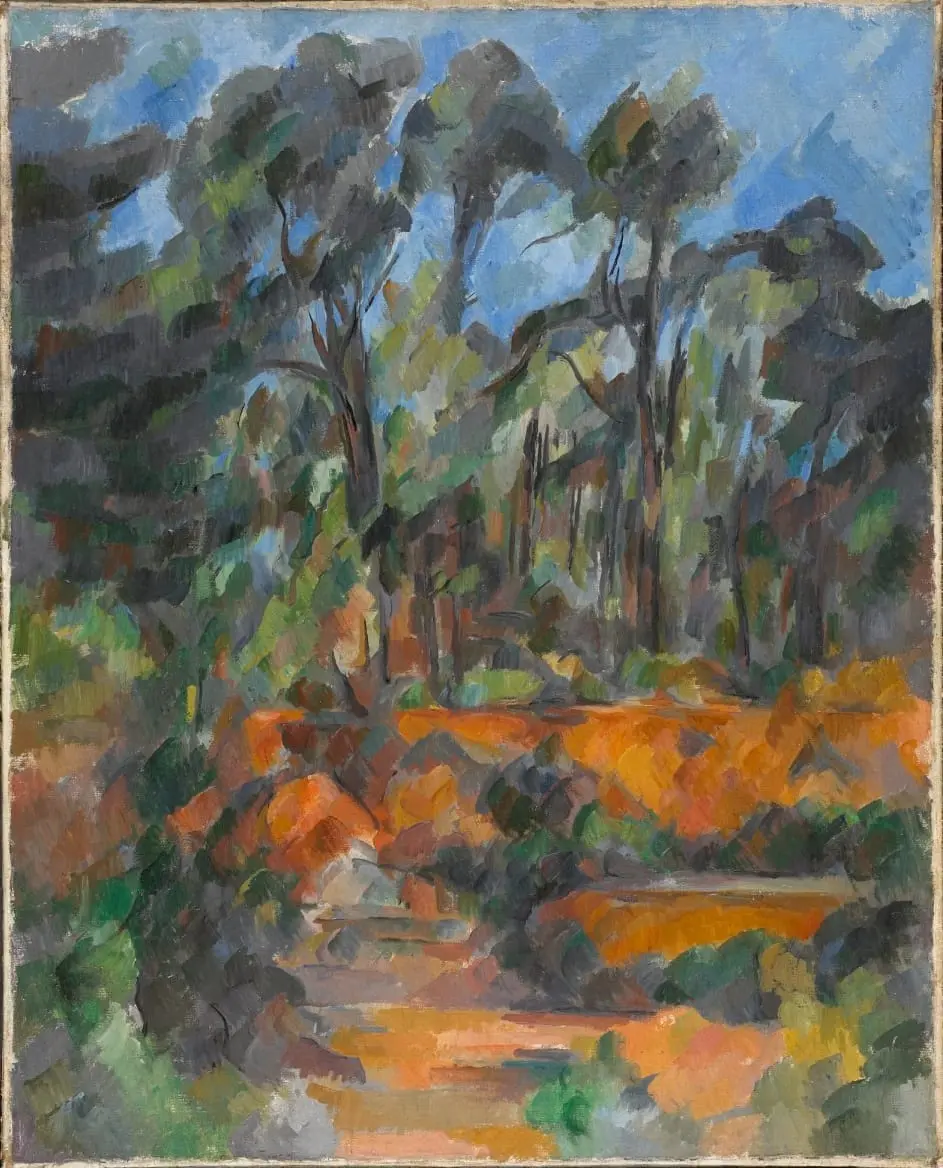
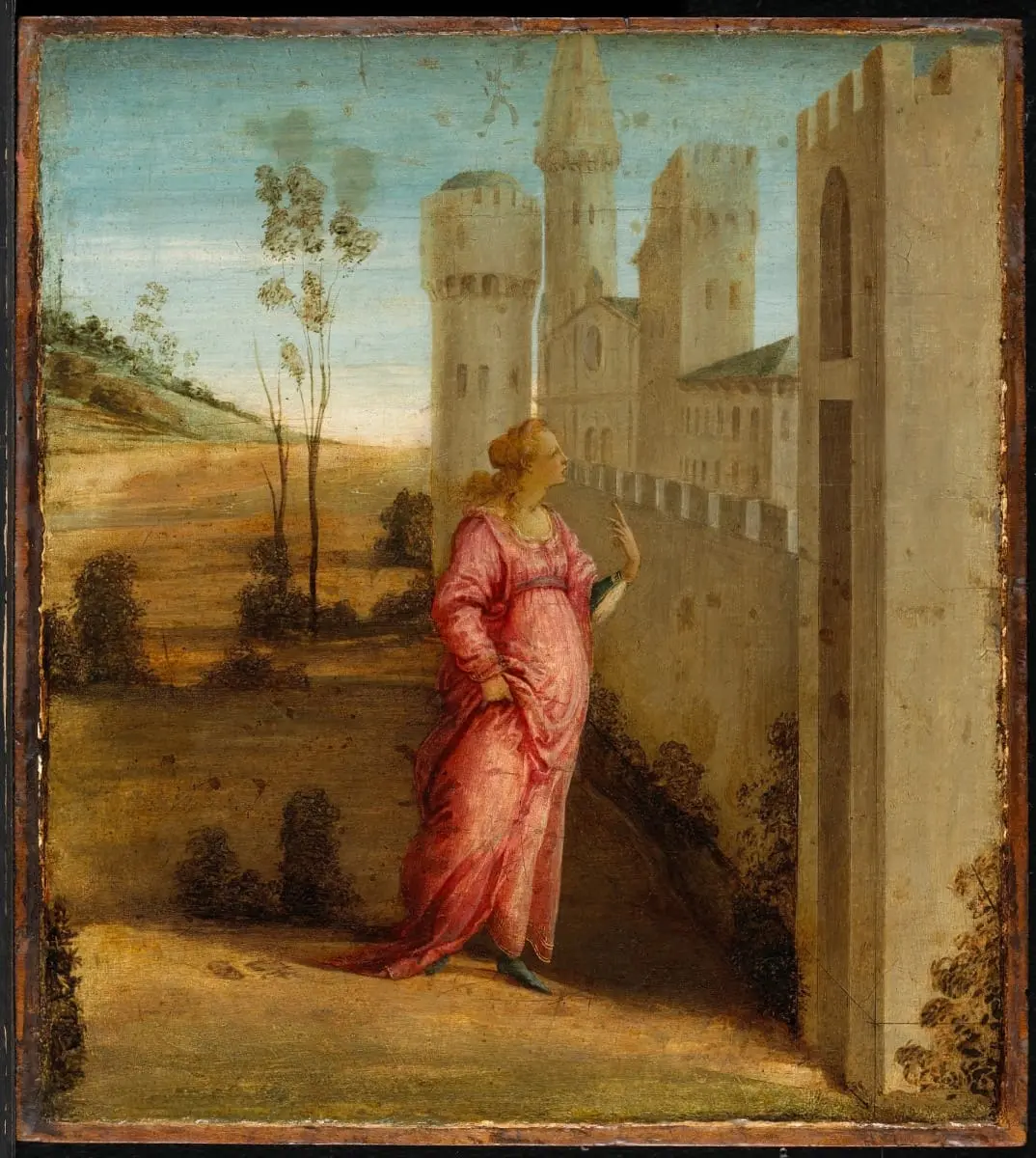
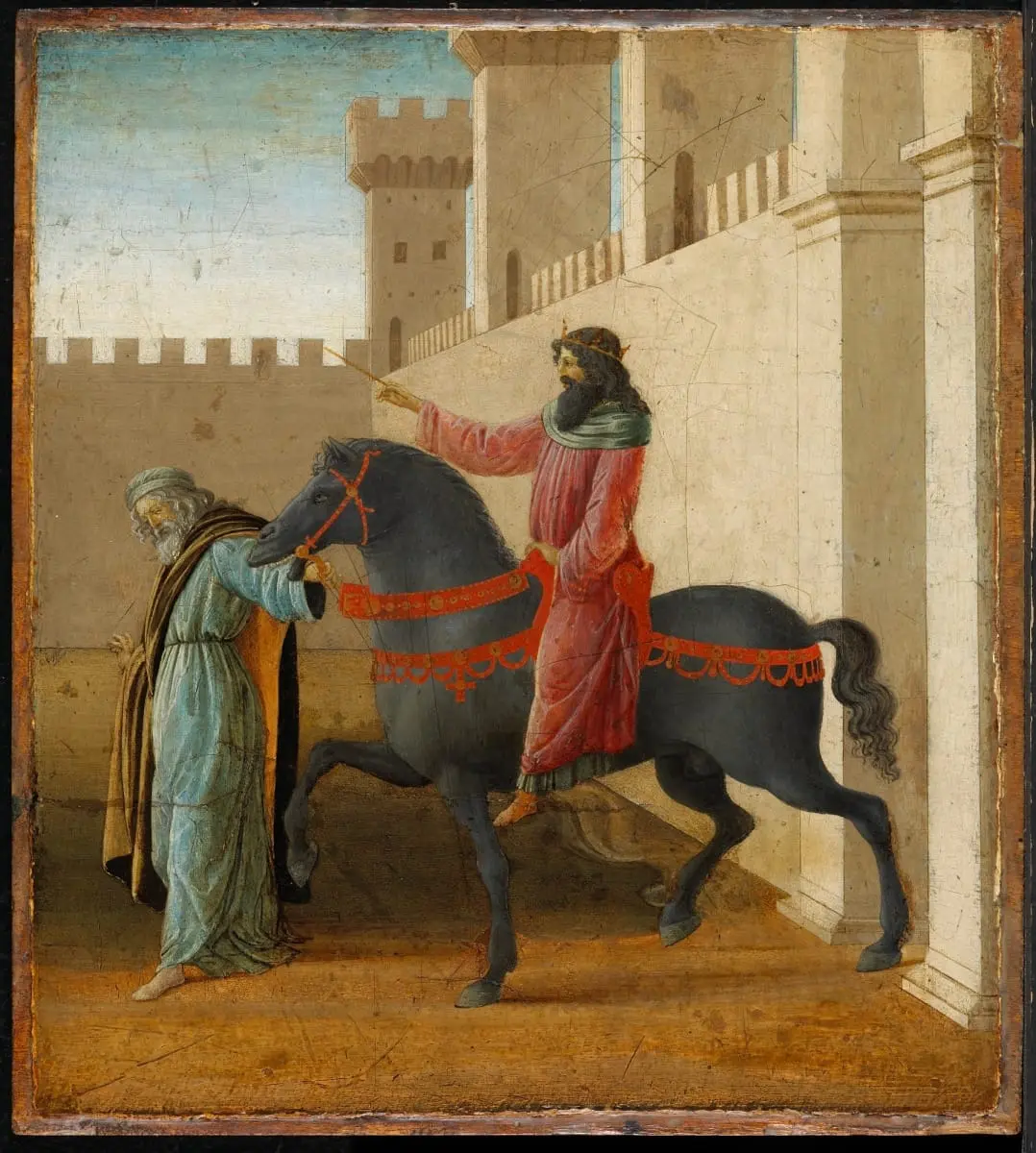
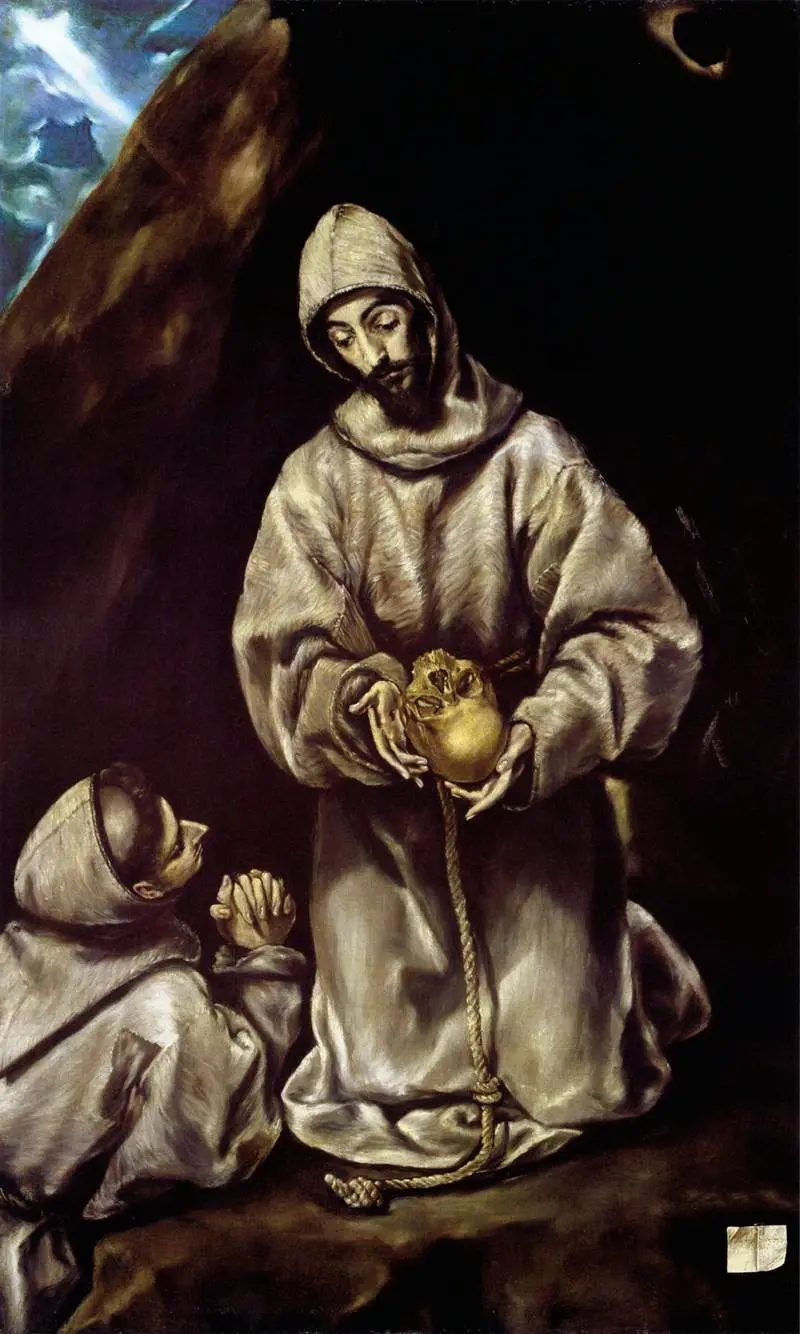
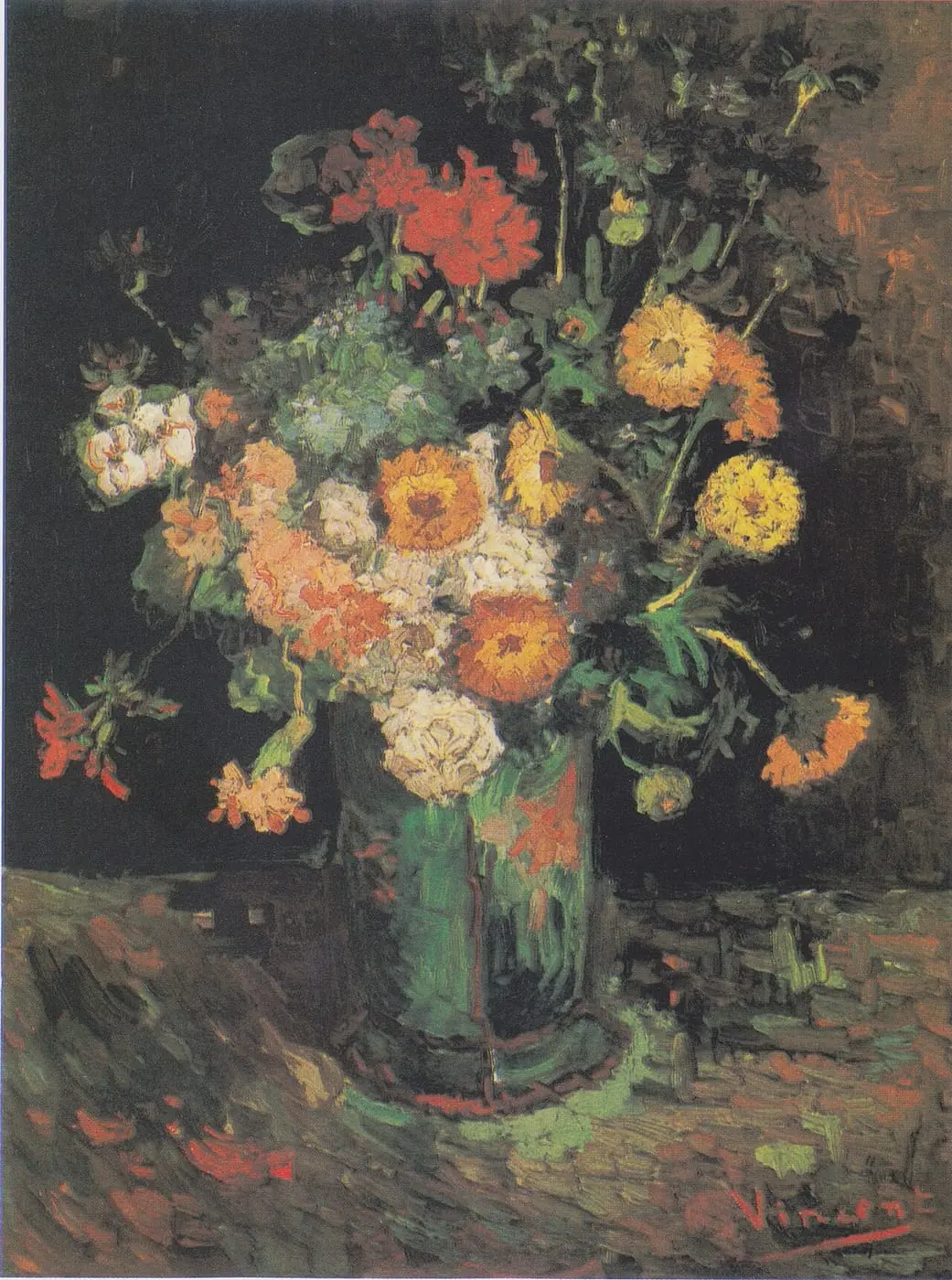
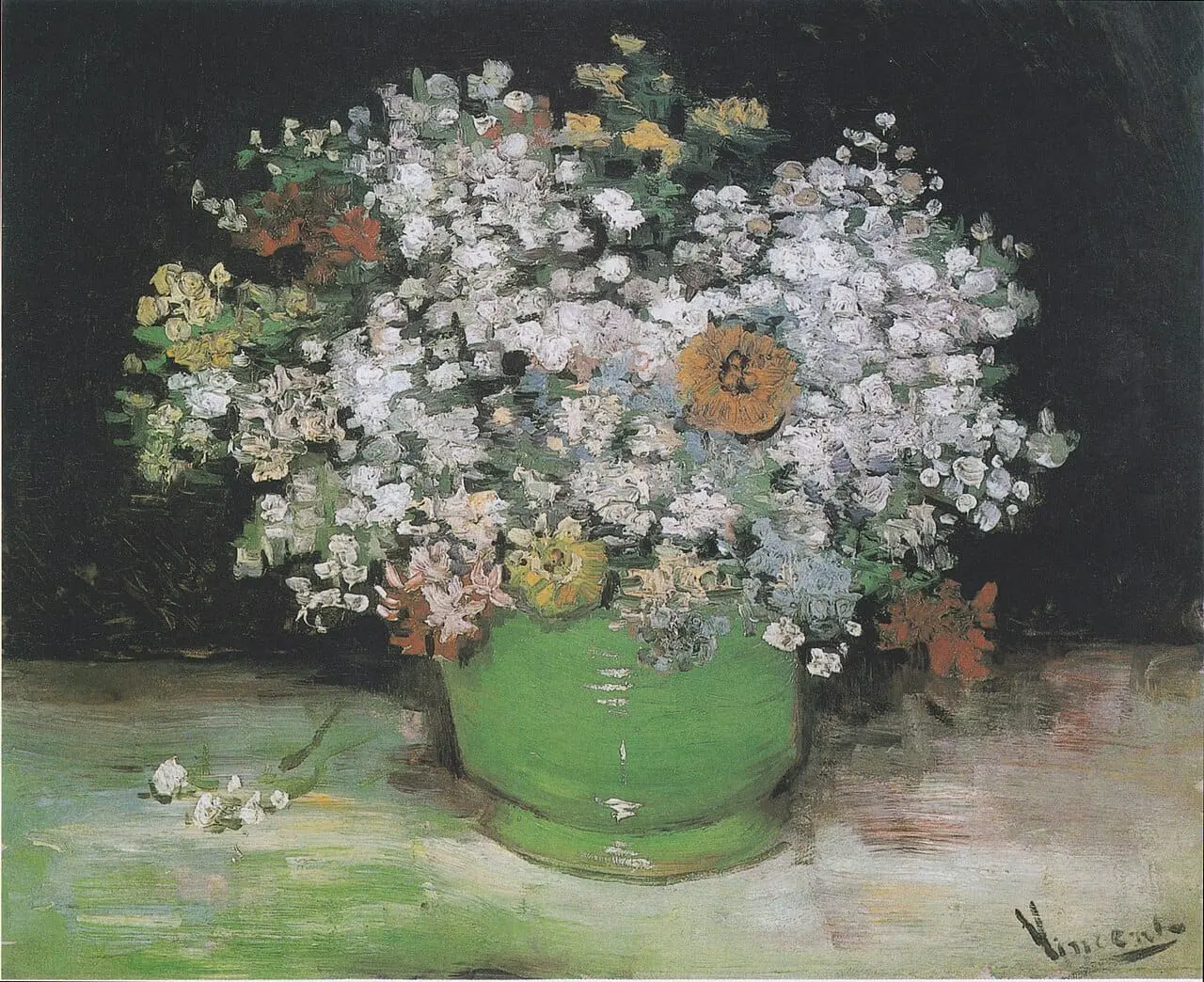
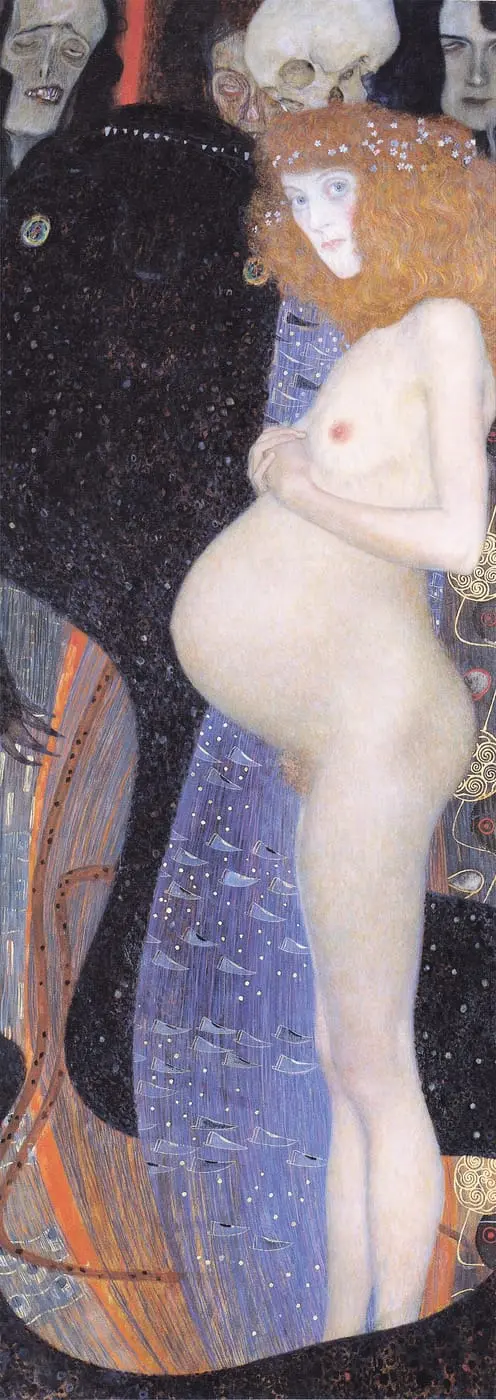
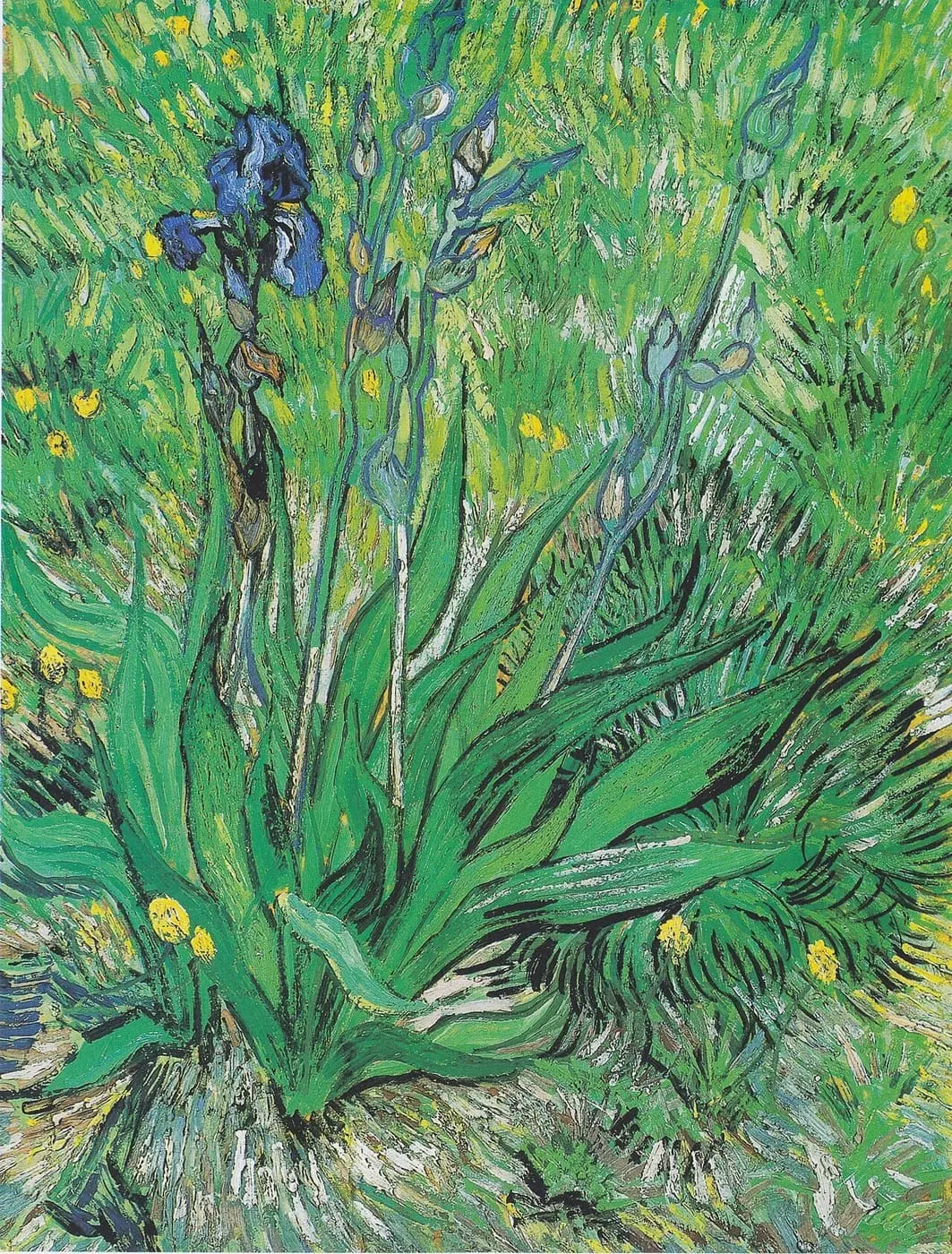
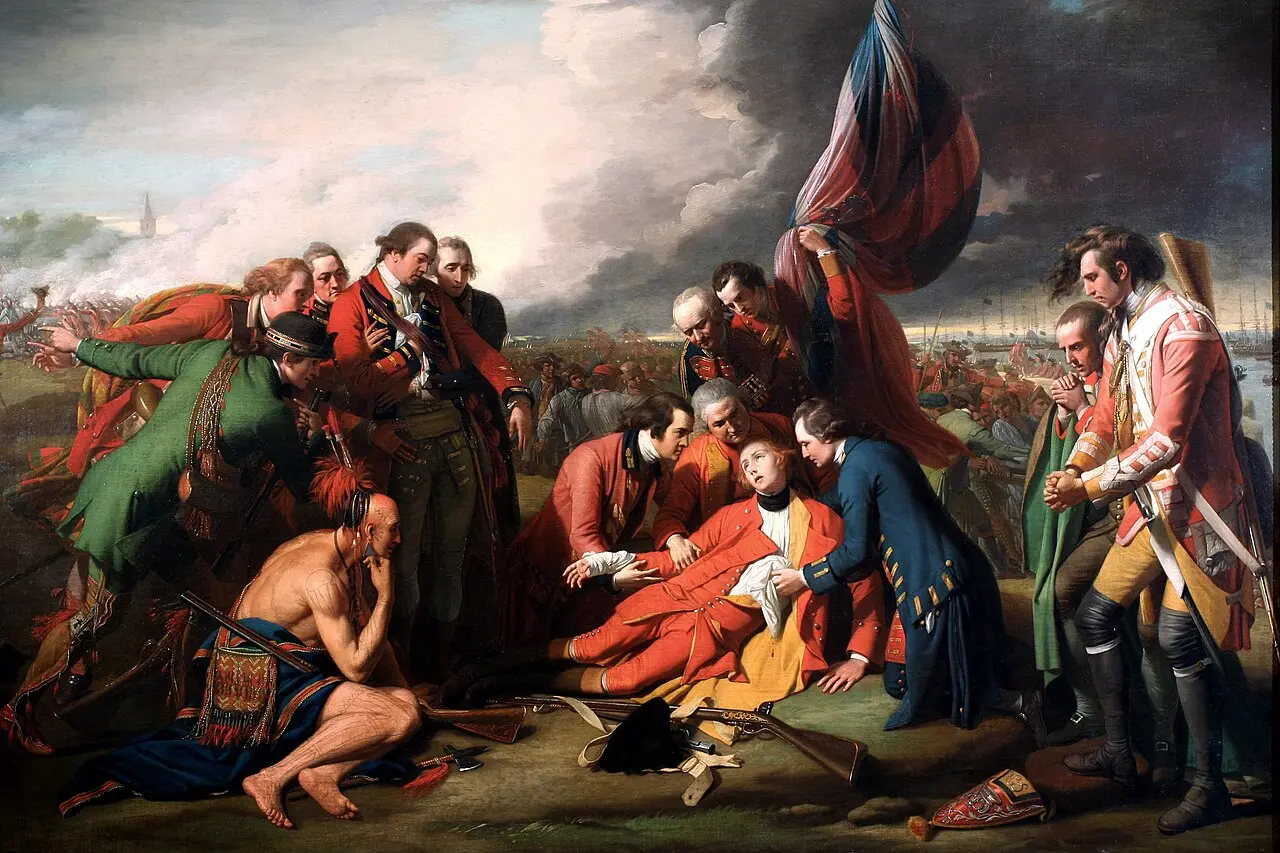
Its European collection includes Benjamin West's The Death of General Wolfe, Klimt's Hope I, Van Gogh's Iris and works by Rembrandt, Bernini and Cézanne.
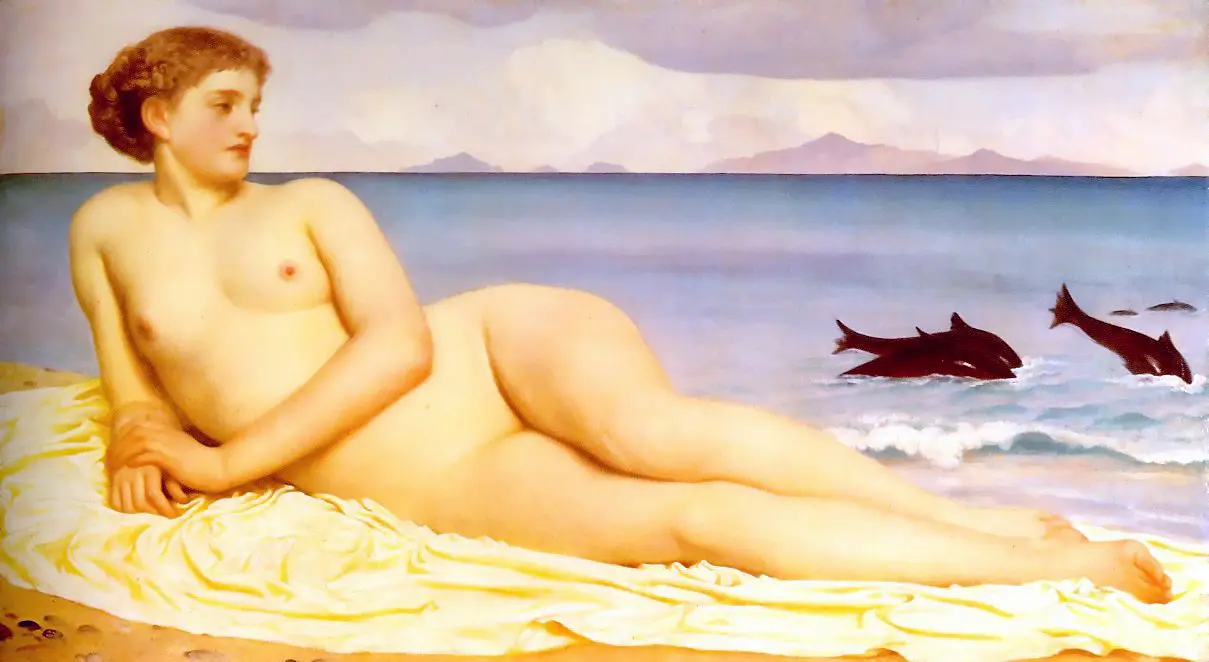
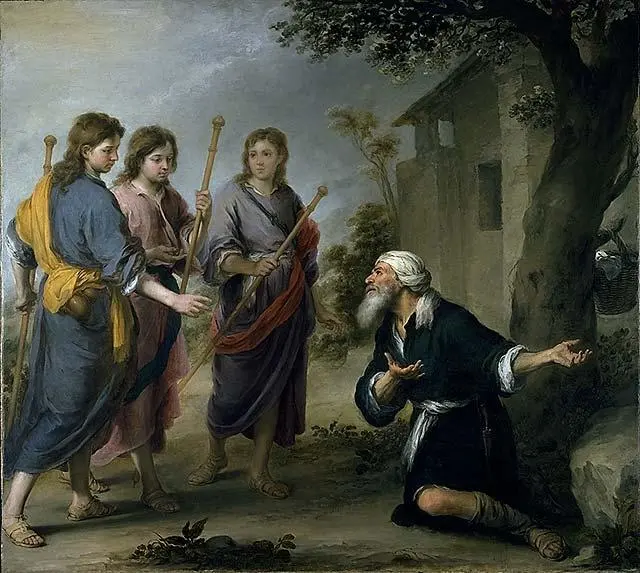
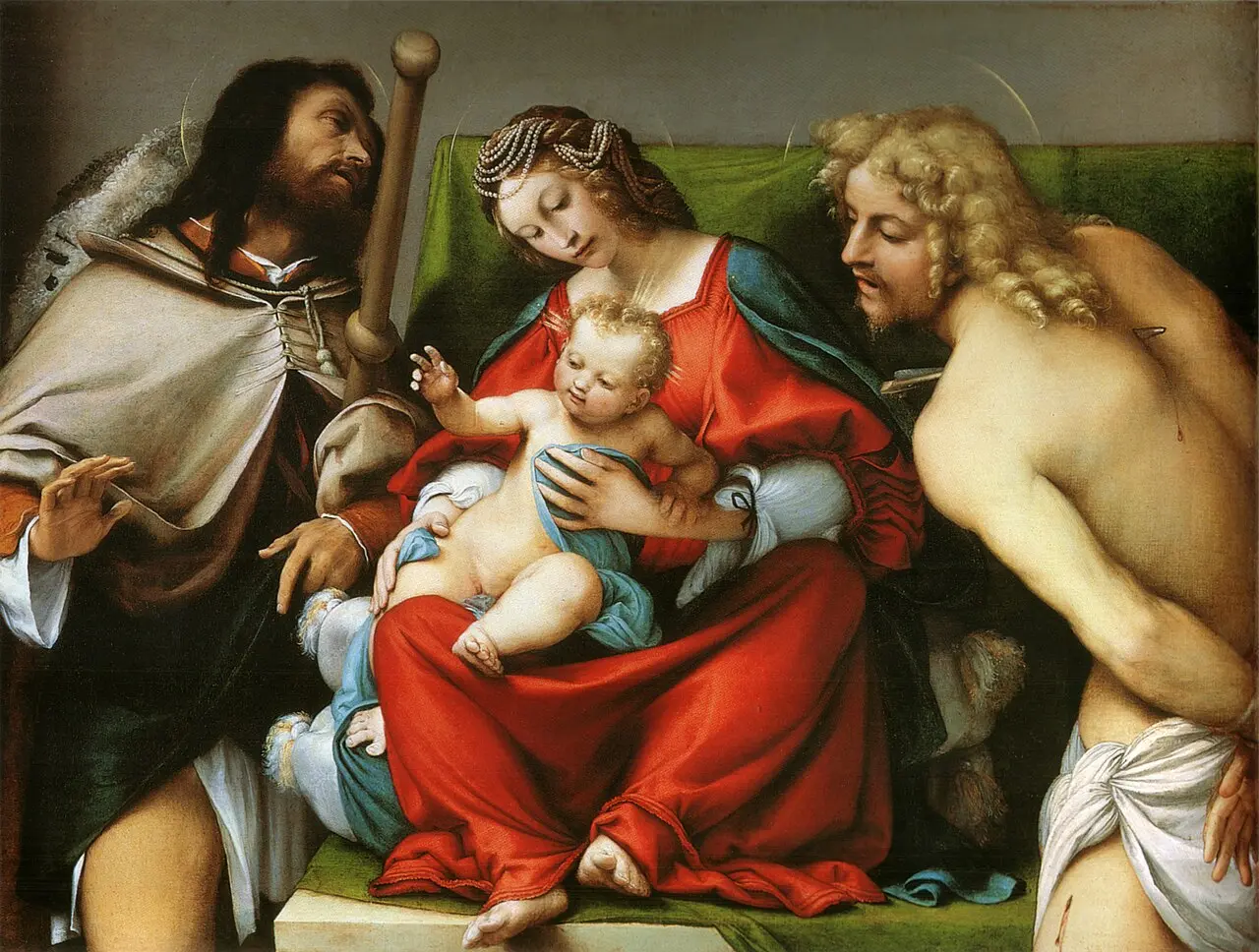
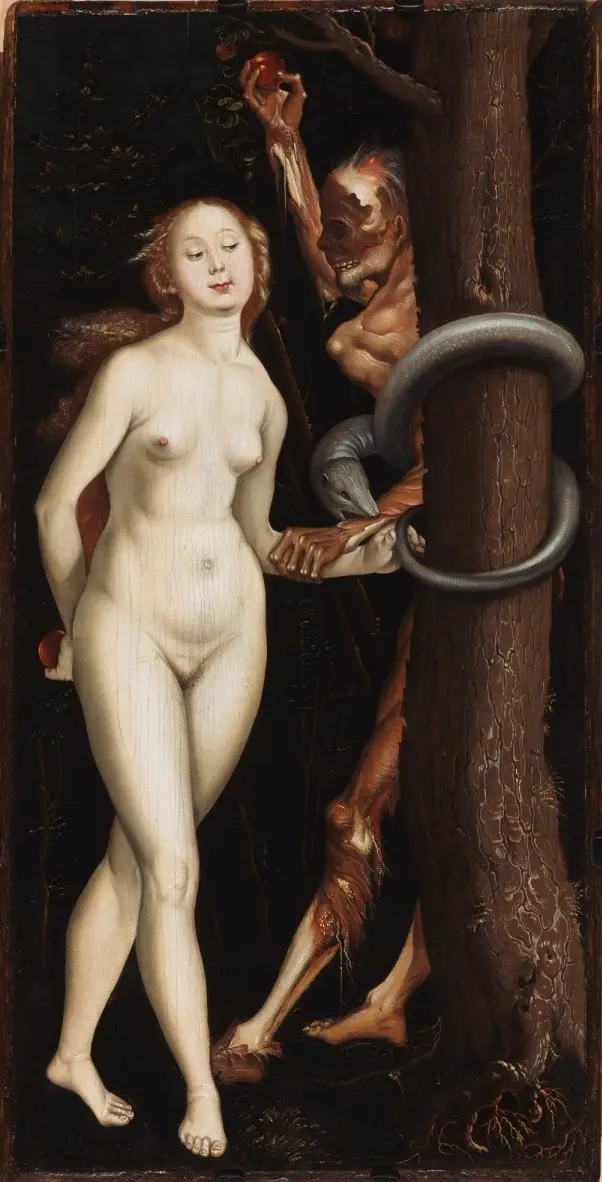
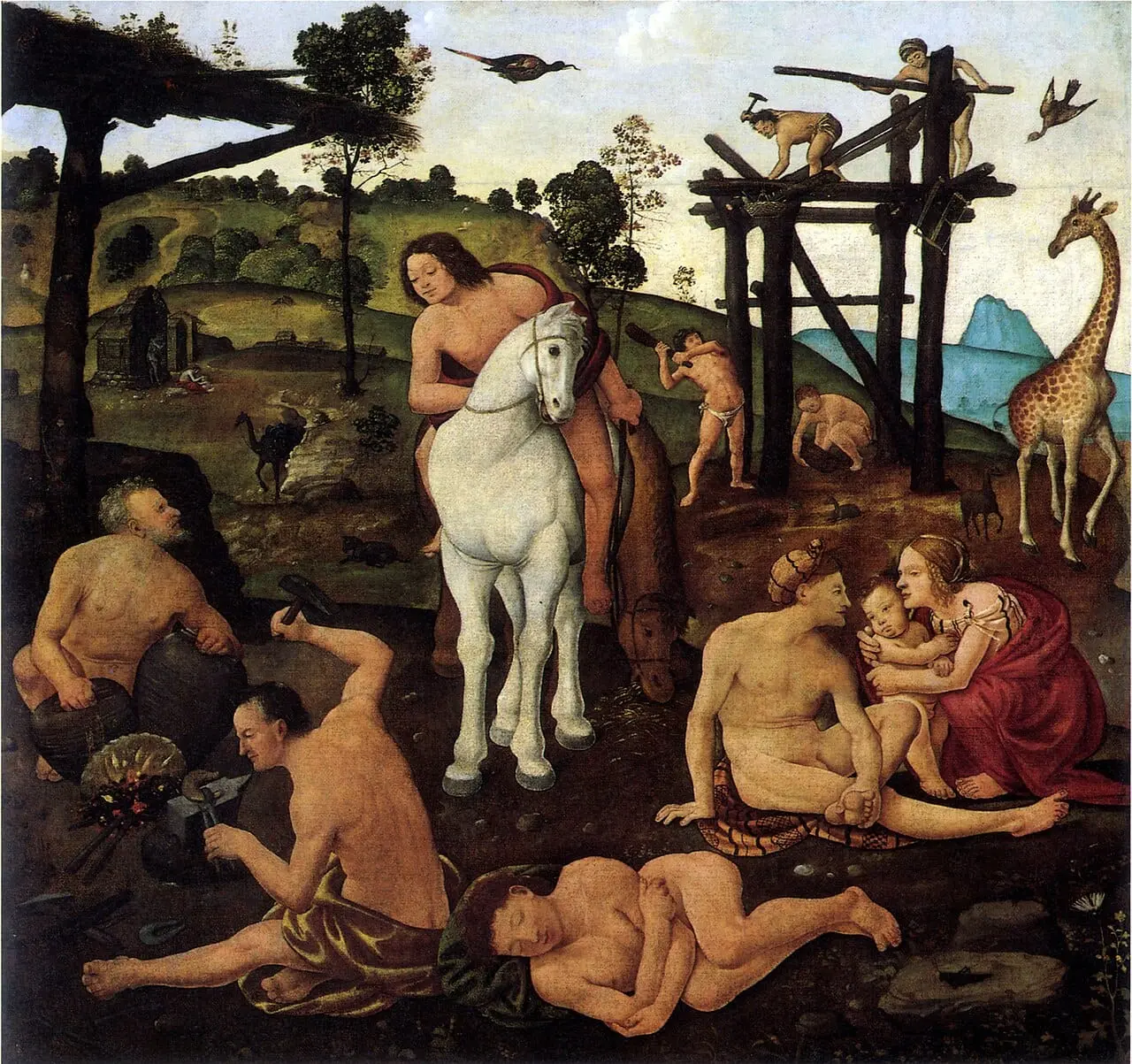
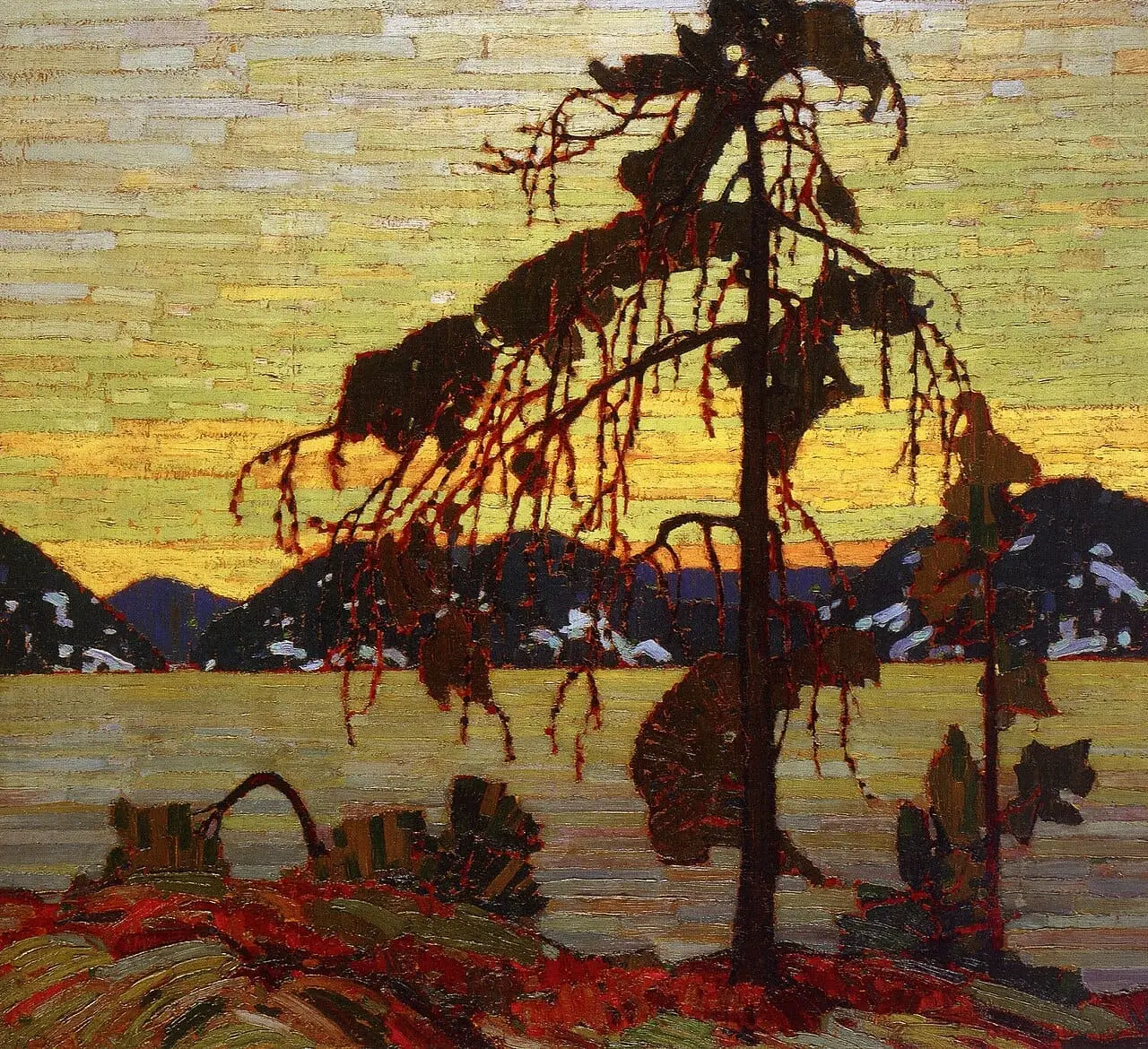
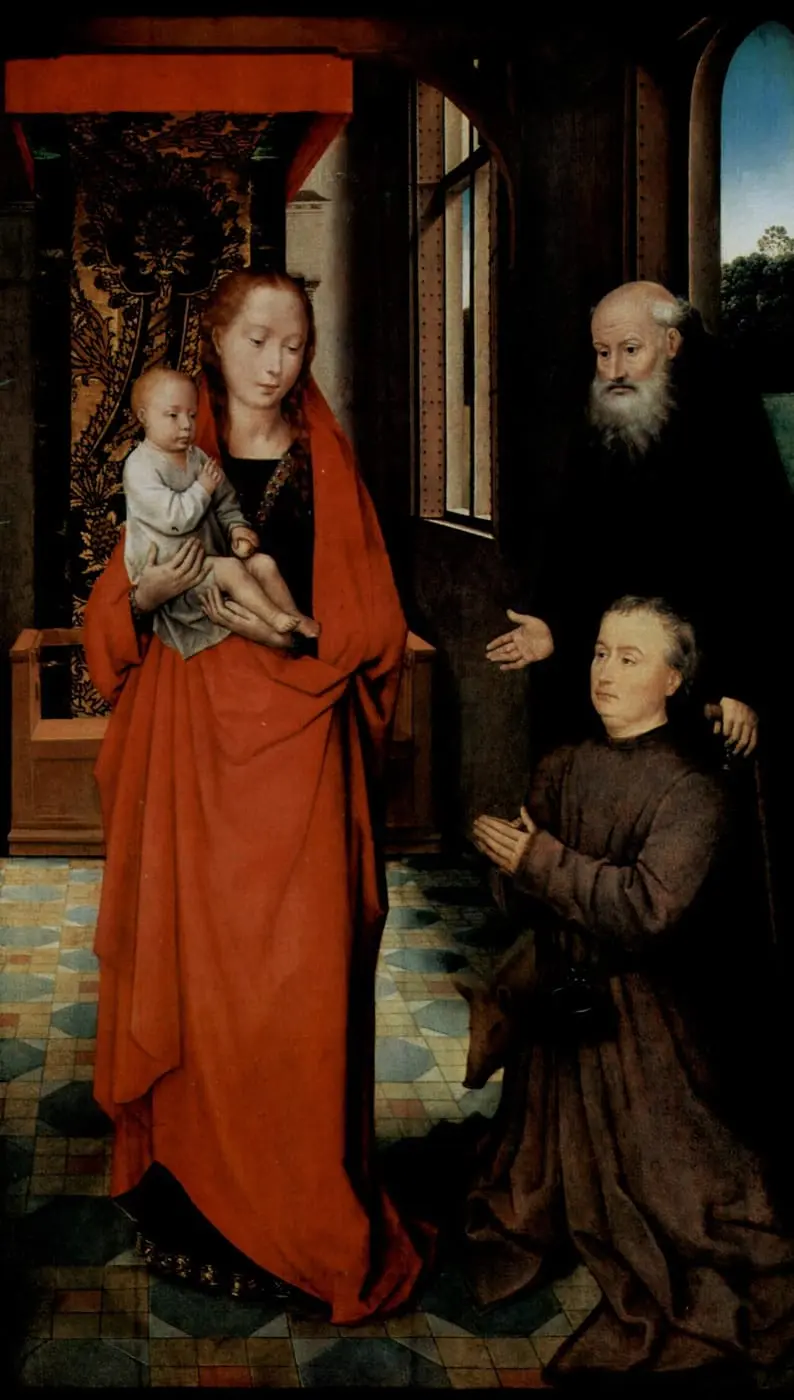
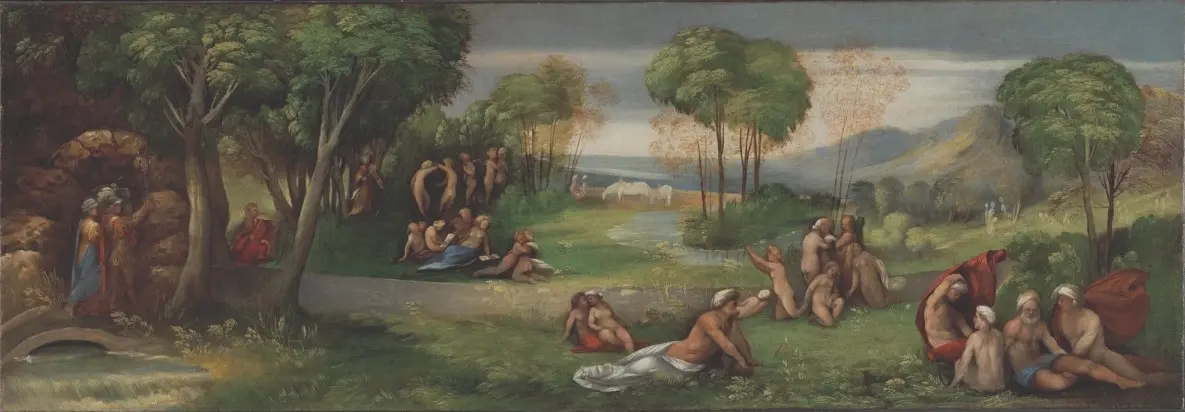
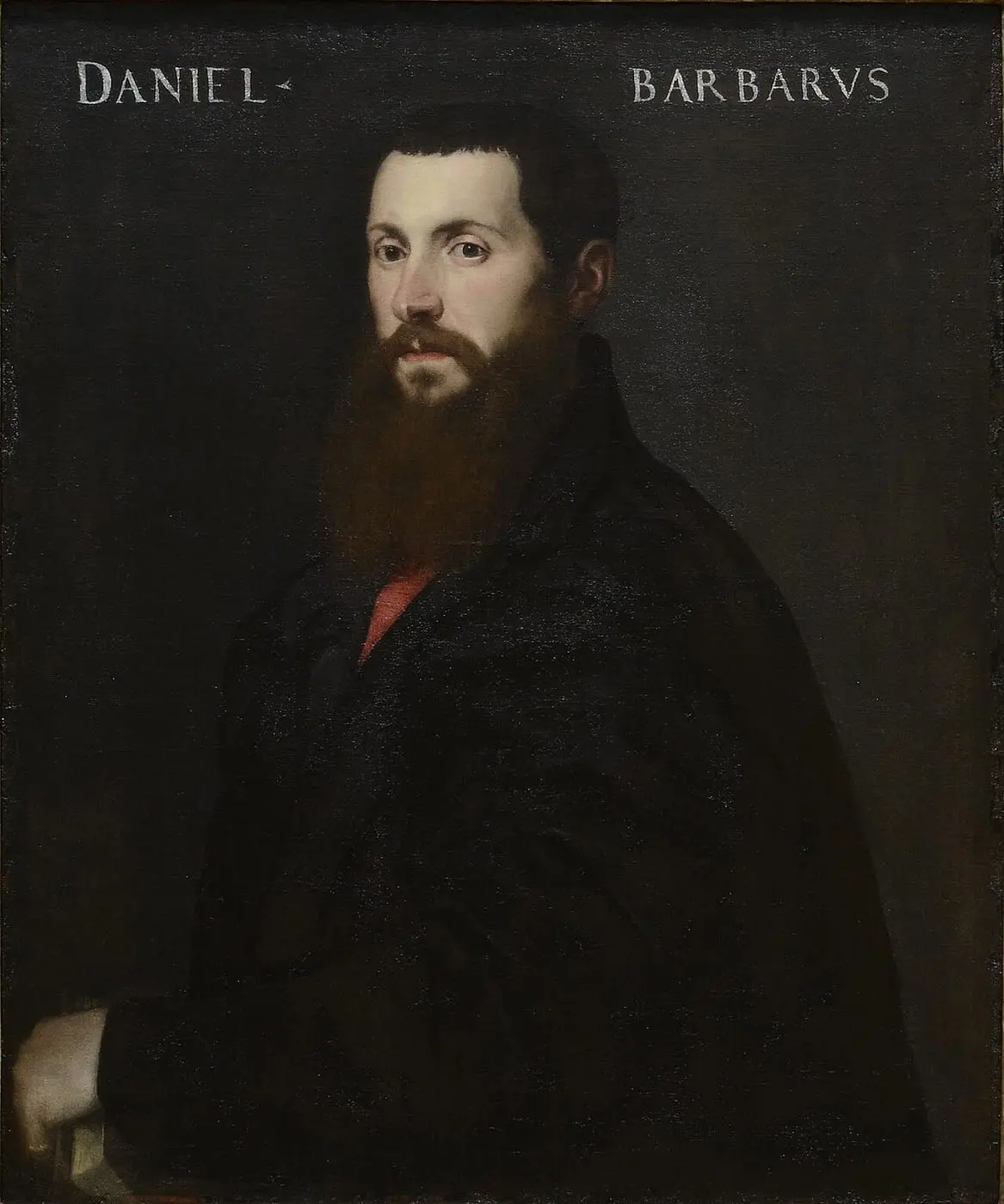
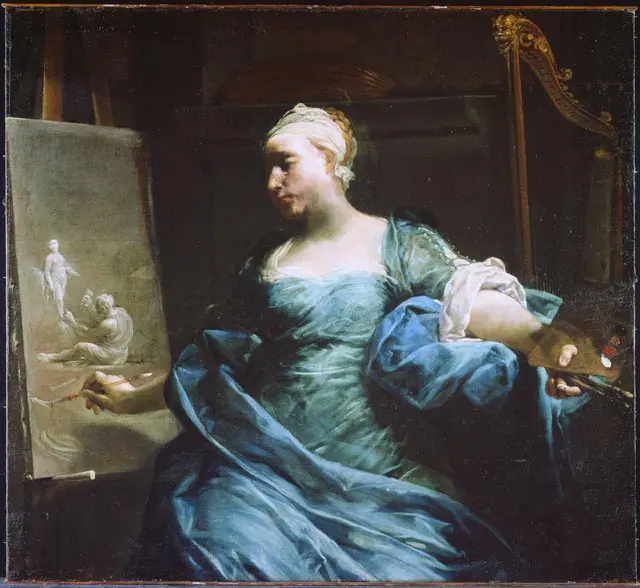
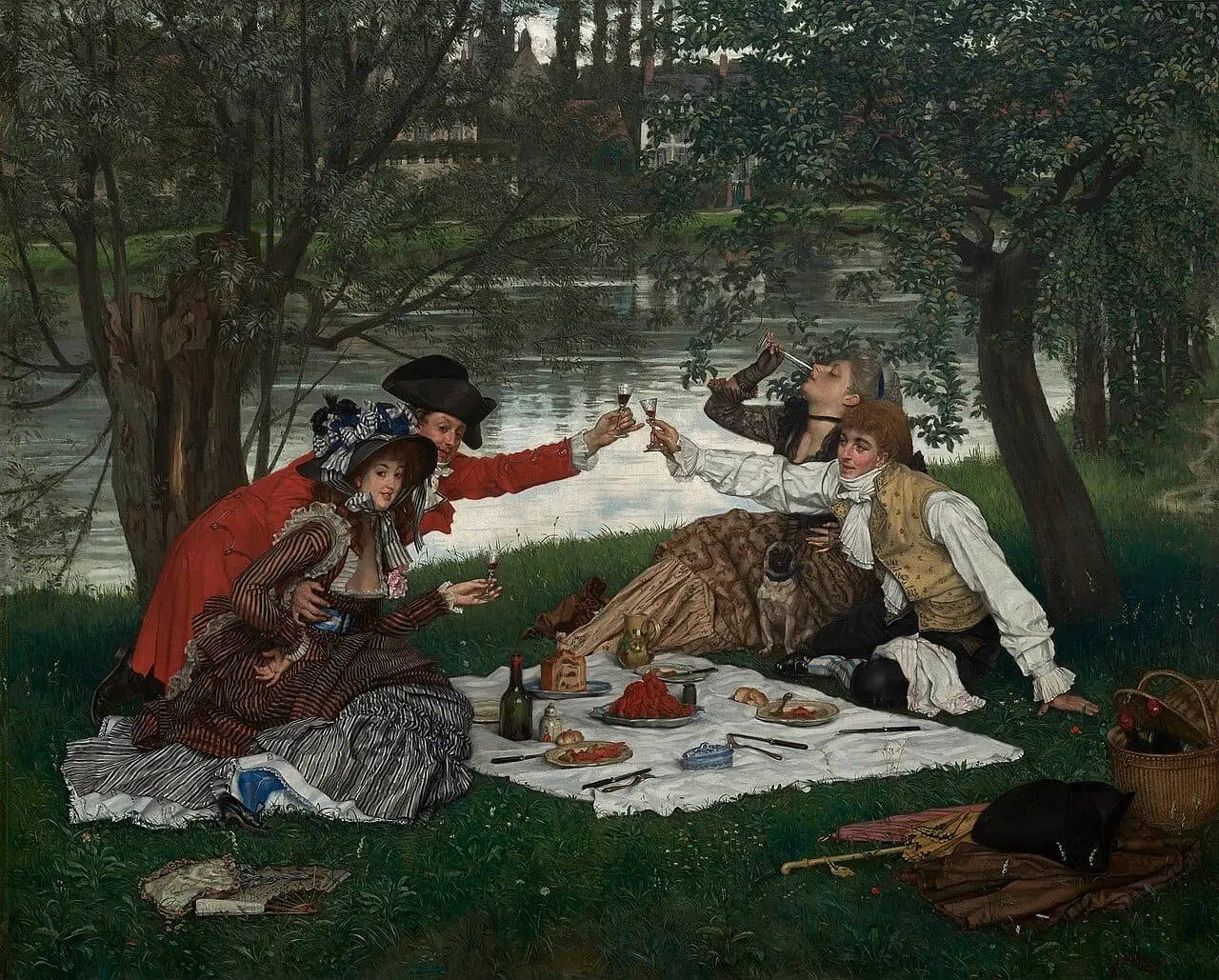
At ArtLogia you can order 24 of its paintings as hand-painted reproductions, by 20 artists led by Tom Thomson, Vincent van Gogh and Gustav Klimt.
- paintings to order
- 24
- artists
- 20
- art movements
- 12
- years covered
- 1472–1916
The building
Moshe Safdie's building of 1988 has a glass Great Hall that echoes the library of the nearby Parliament. Inside, the Rideau Chapel, a nineteenth-century convent chapel, was reassembled in one of the courtyards.
Masterpieces to see
Planning a visit
Look out for Maman, Louise Bourgeois's ten-metre spider, on the plaza at the entrance.