
About the museum
The story of the Palais des Beaux-Arts de Lille
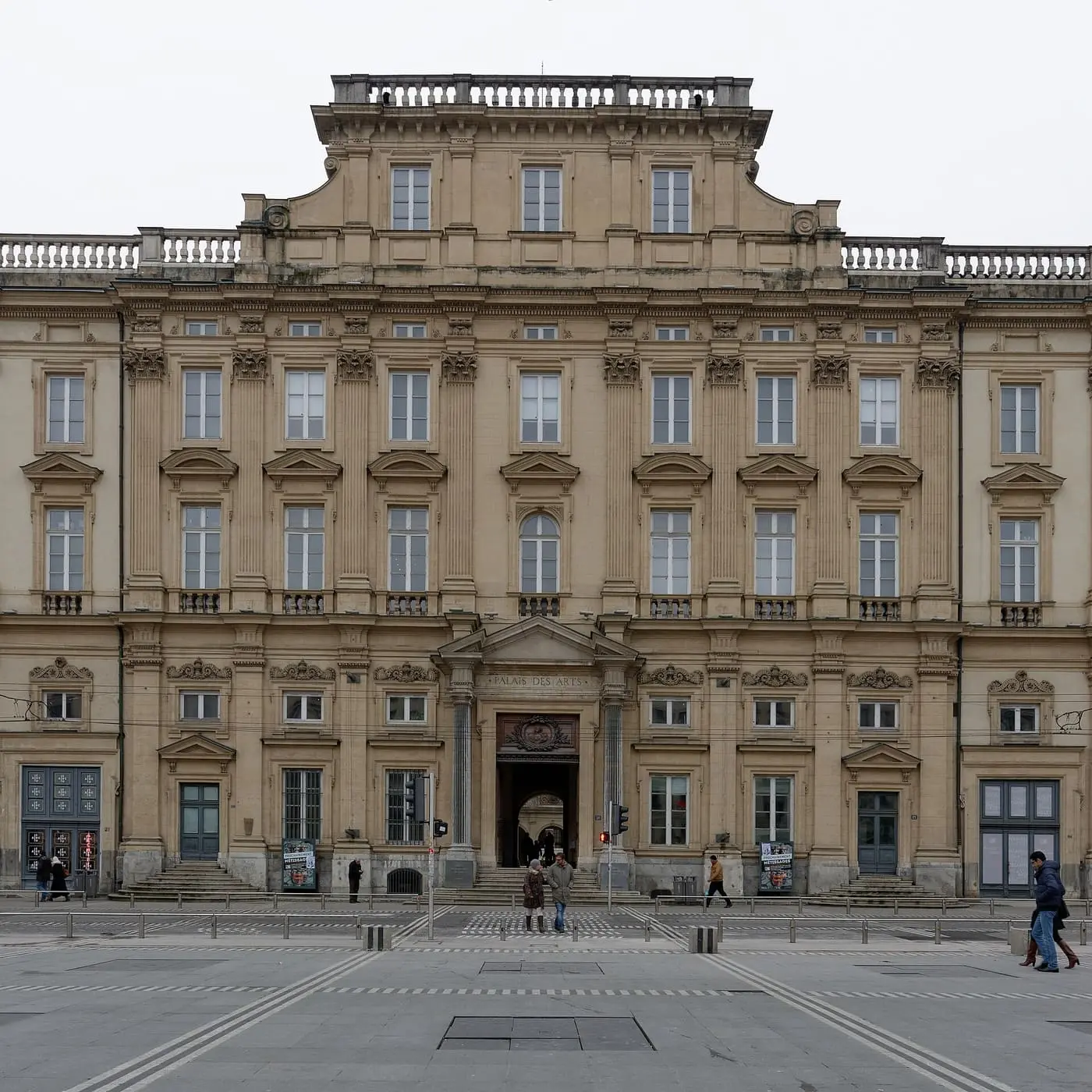
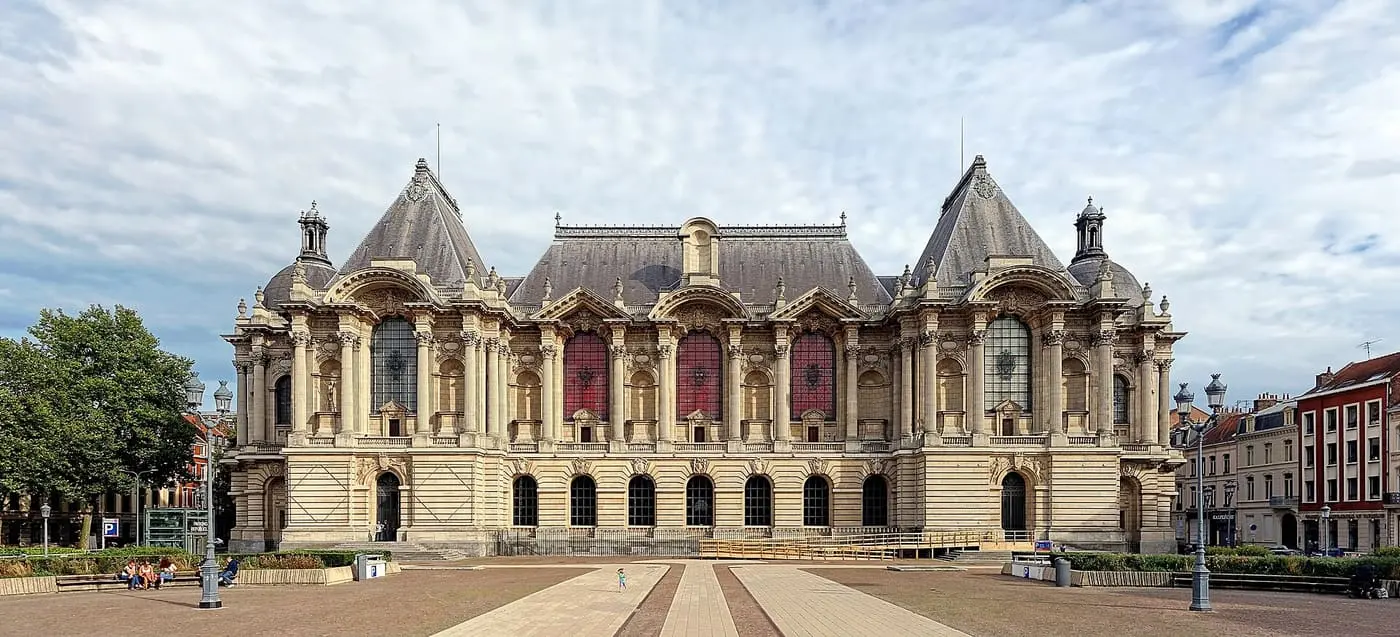
The Palais des Beaux-Arts de Lille was founded in 1809 and moved into its grand Belle Époque palace on the Place de la République in 1892. It is one of the largest museums in France.
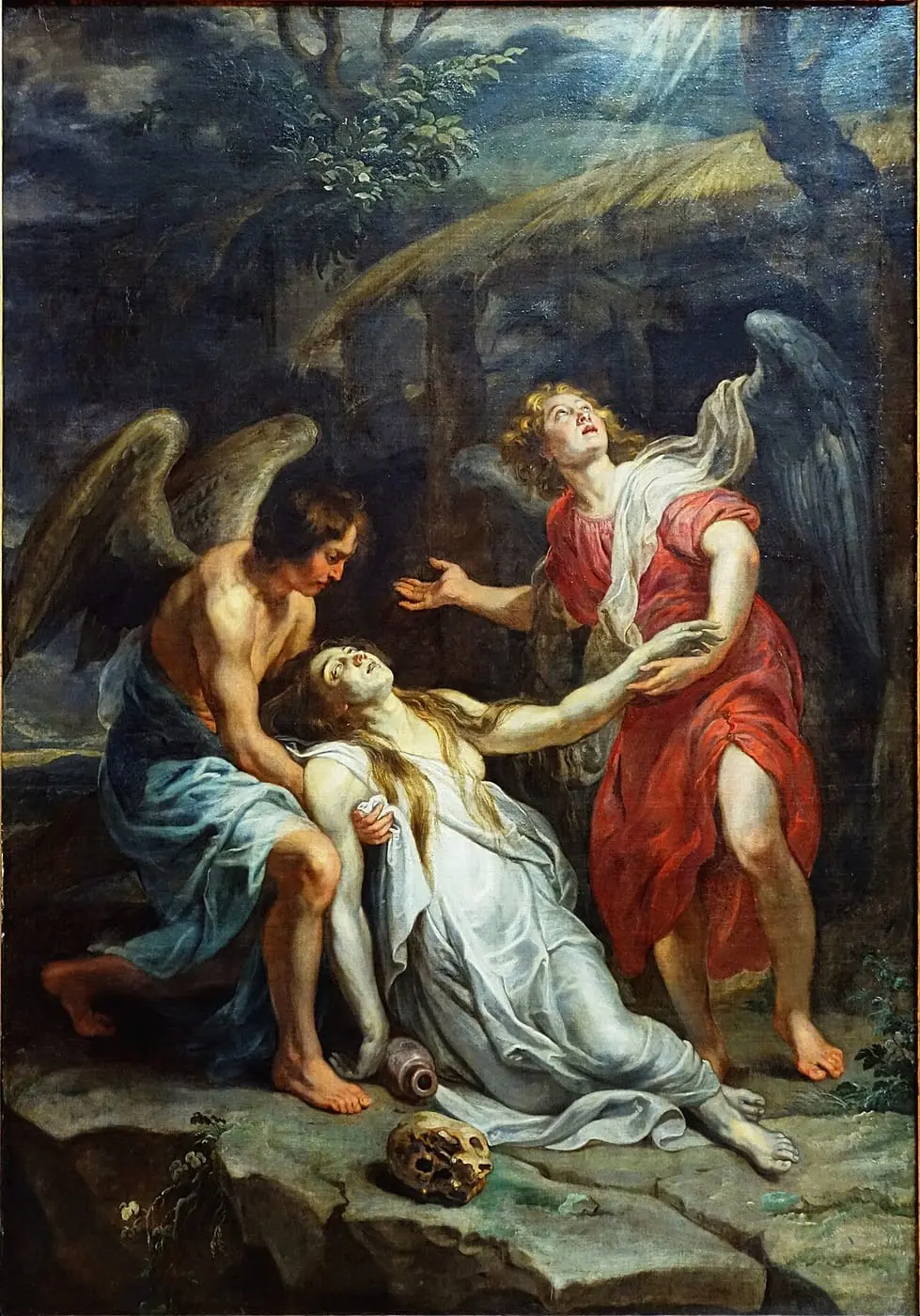
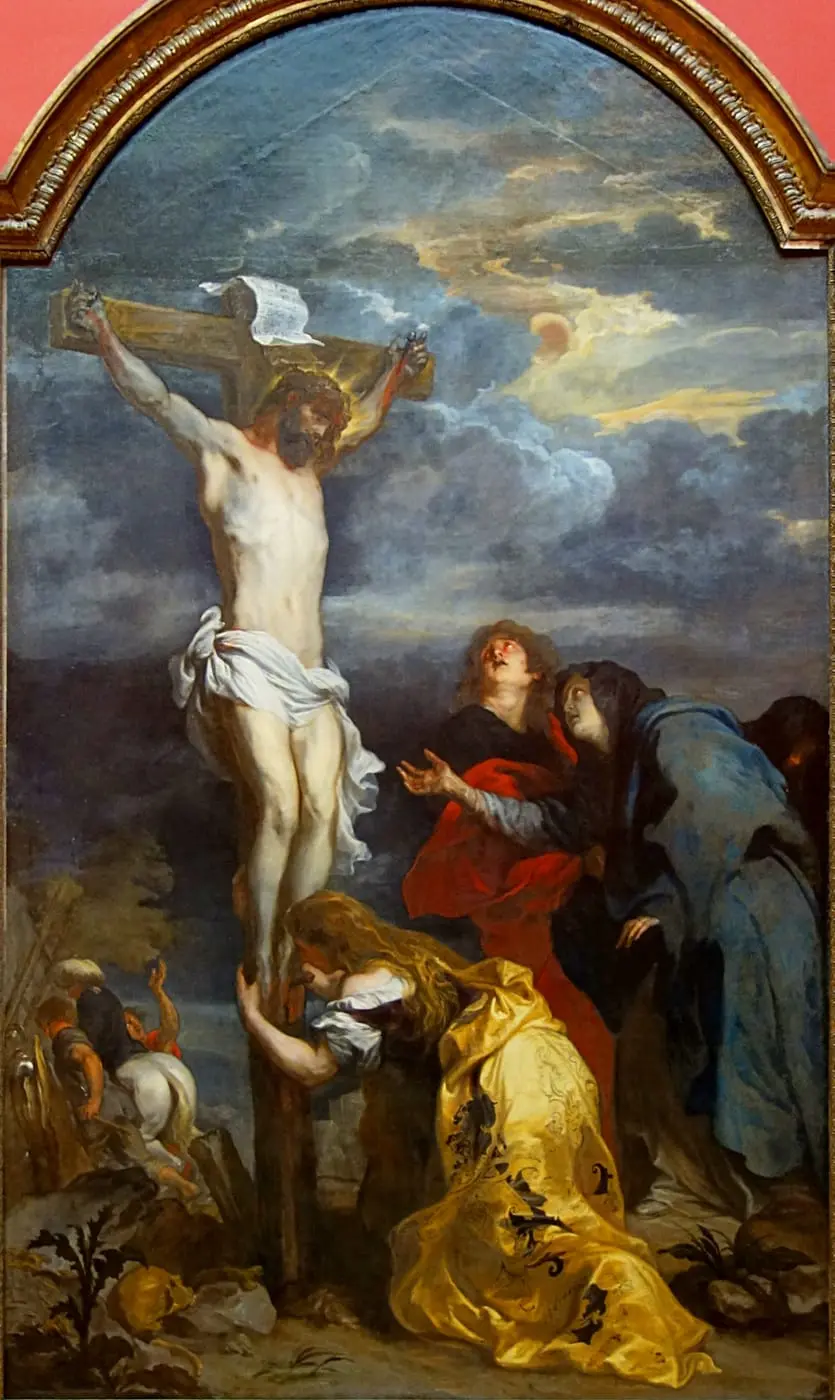
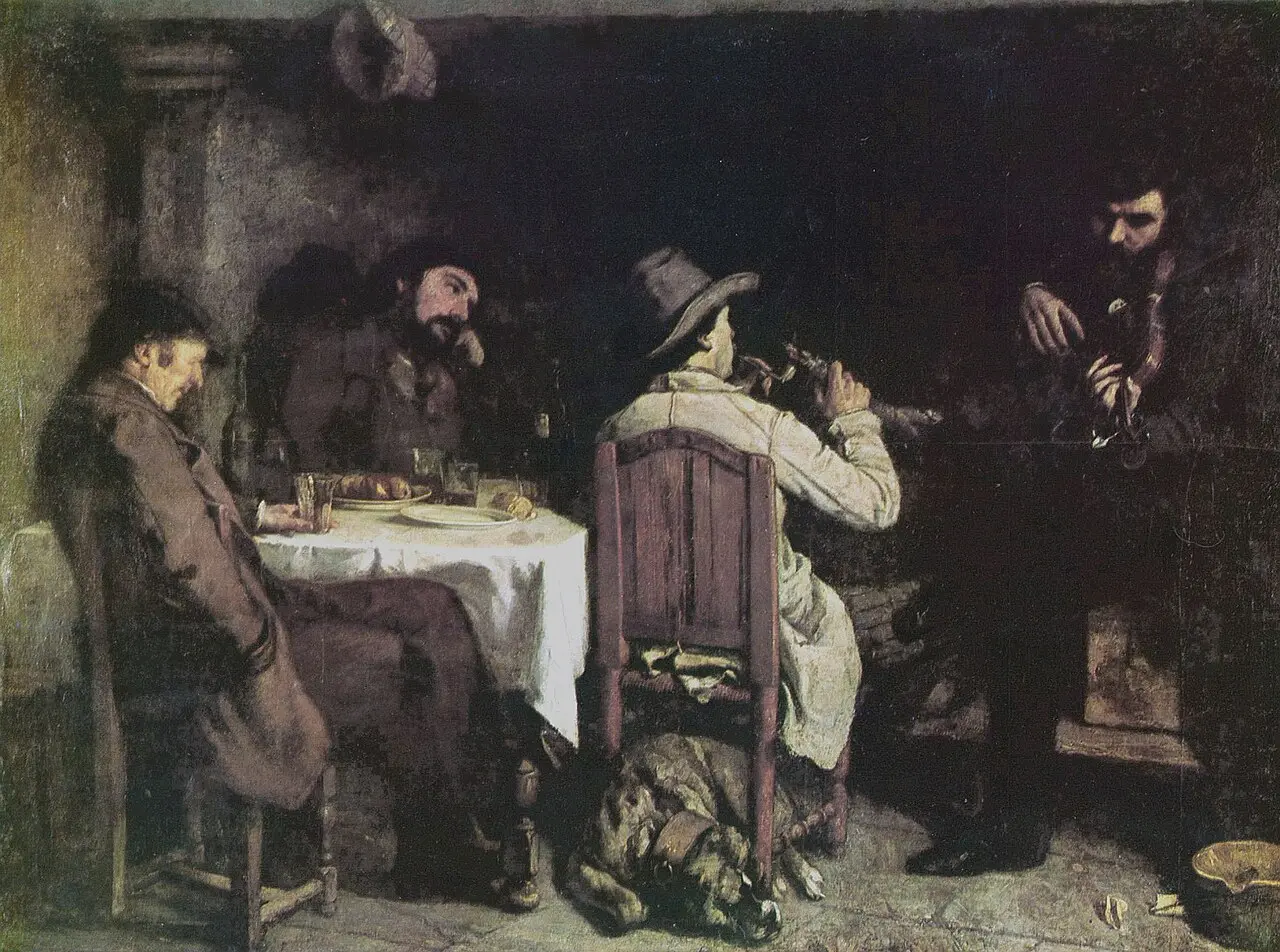
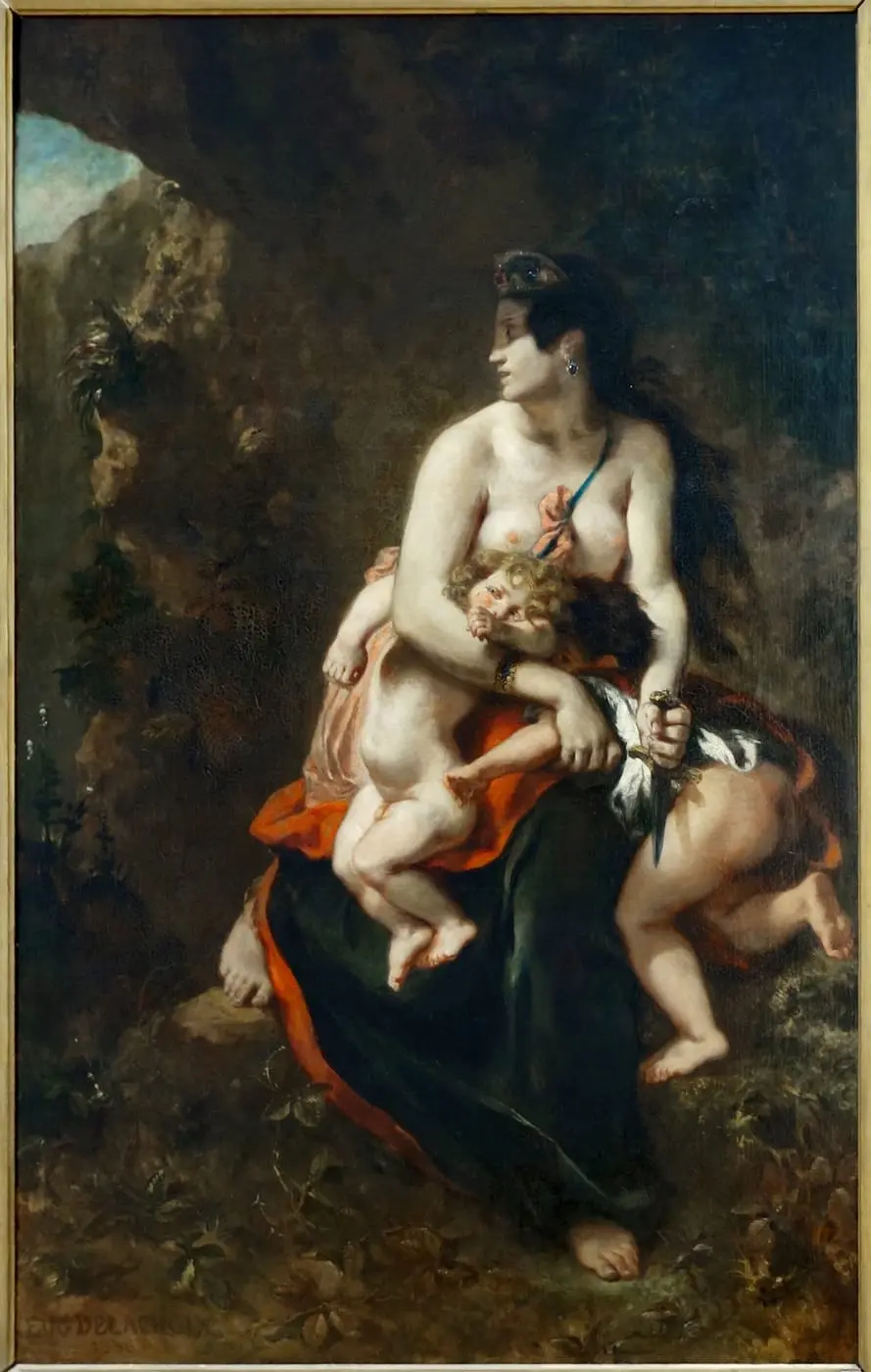
Its paintings include Goya, Rubens, Van Dyck, Delacroix and Courbet, and it also holds a remarkable collection of eighteenth-century relief models of fortified cities.
The collection
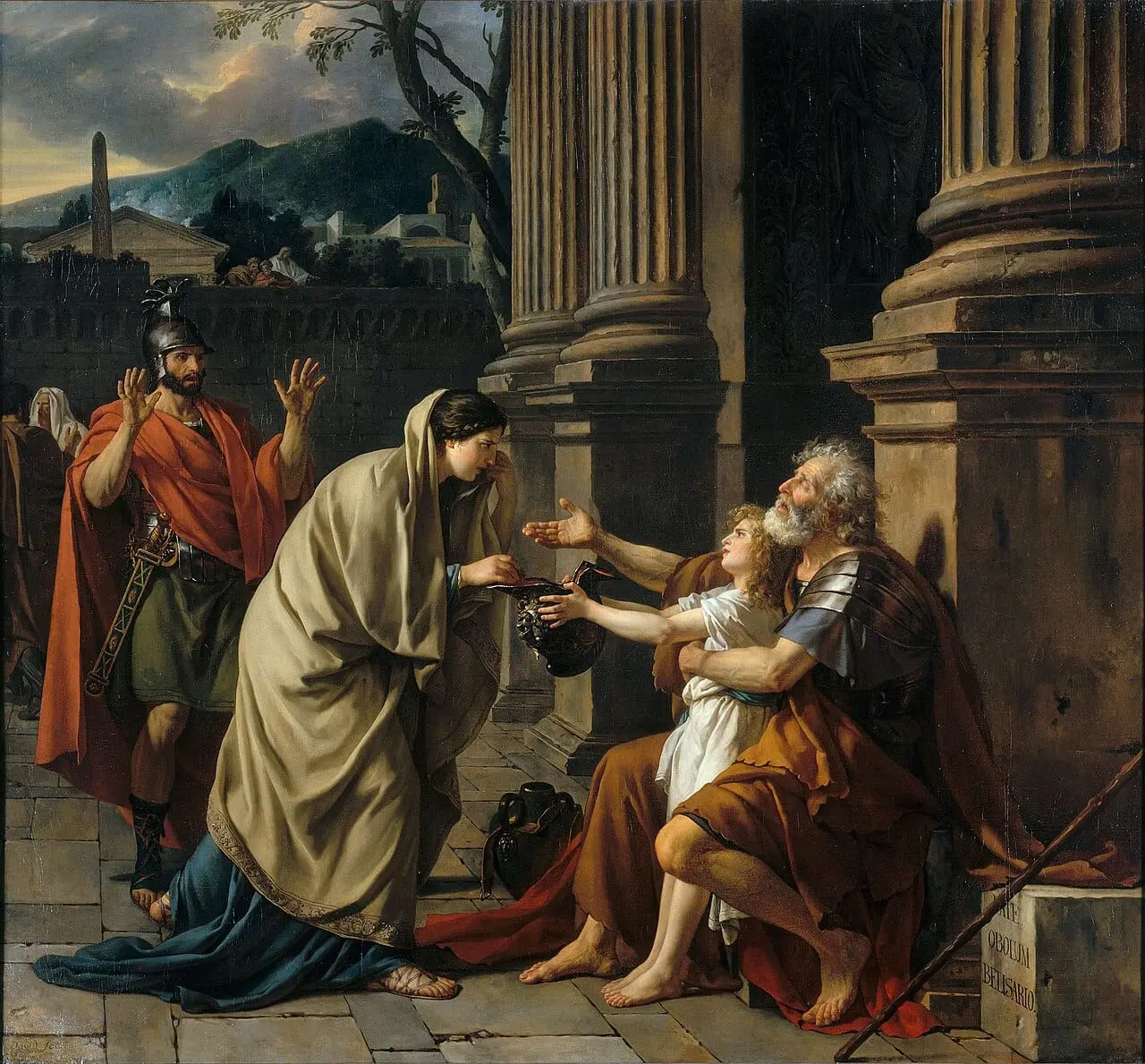
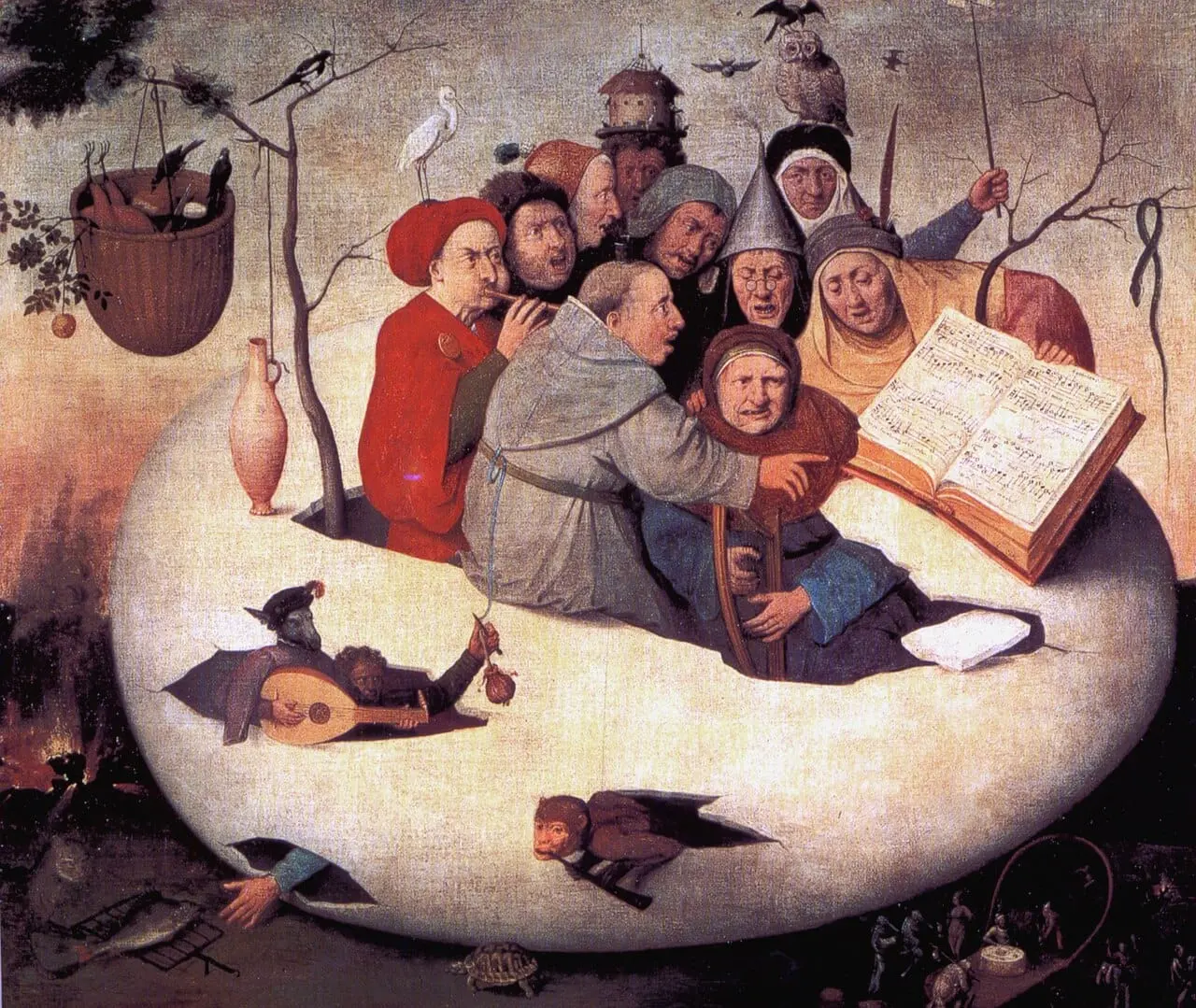
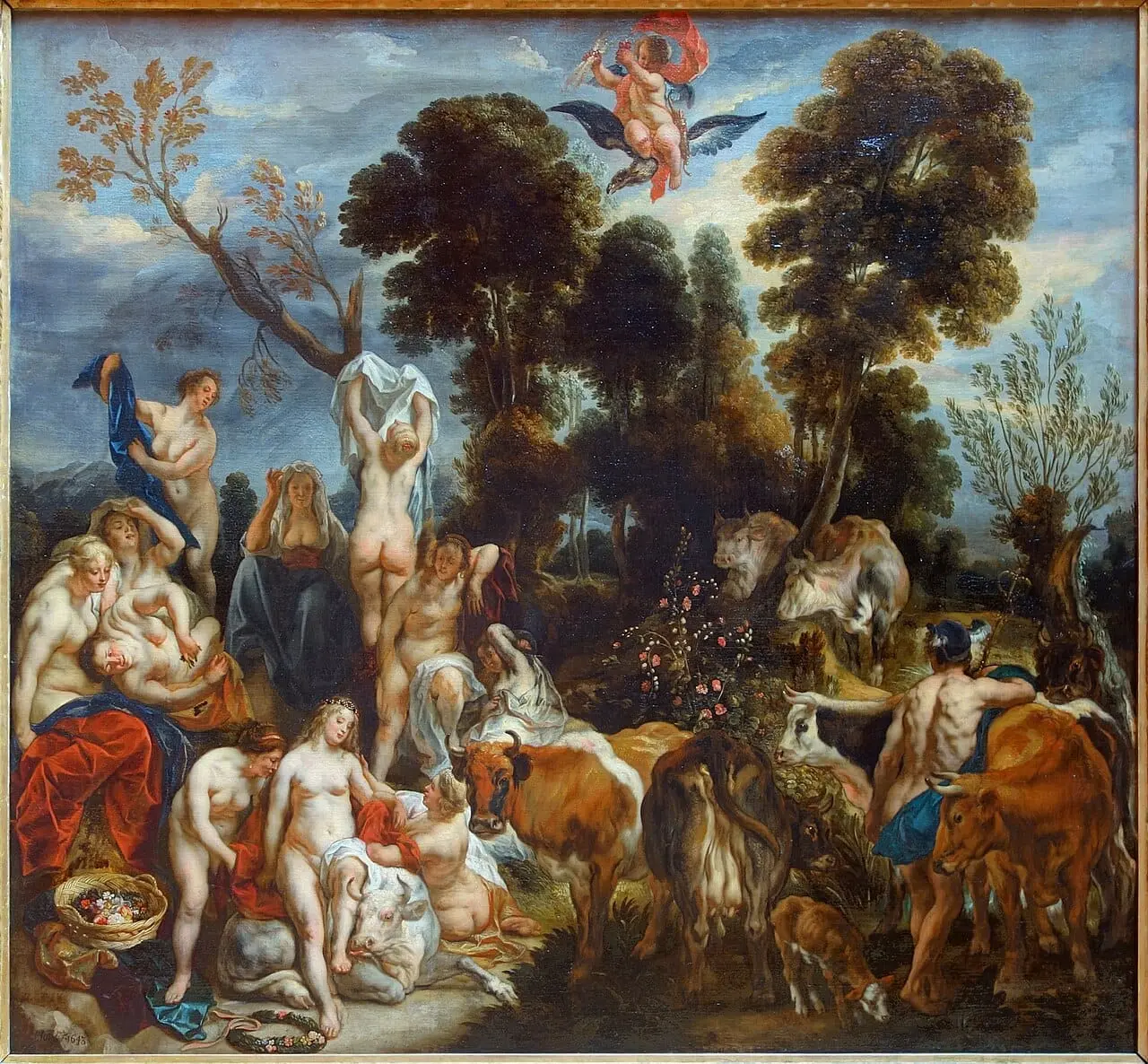
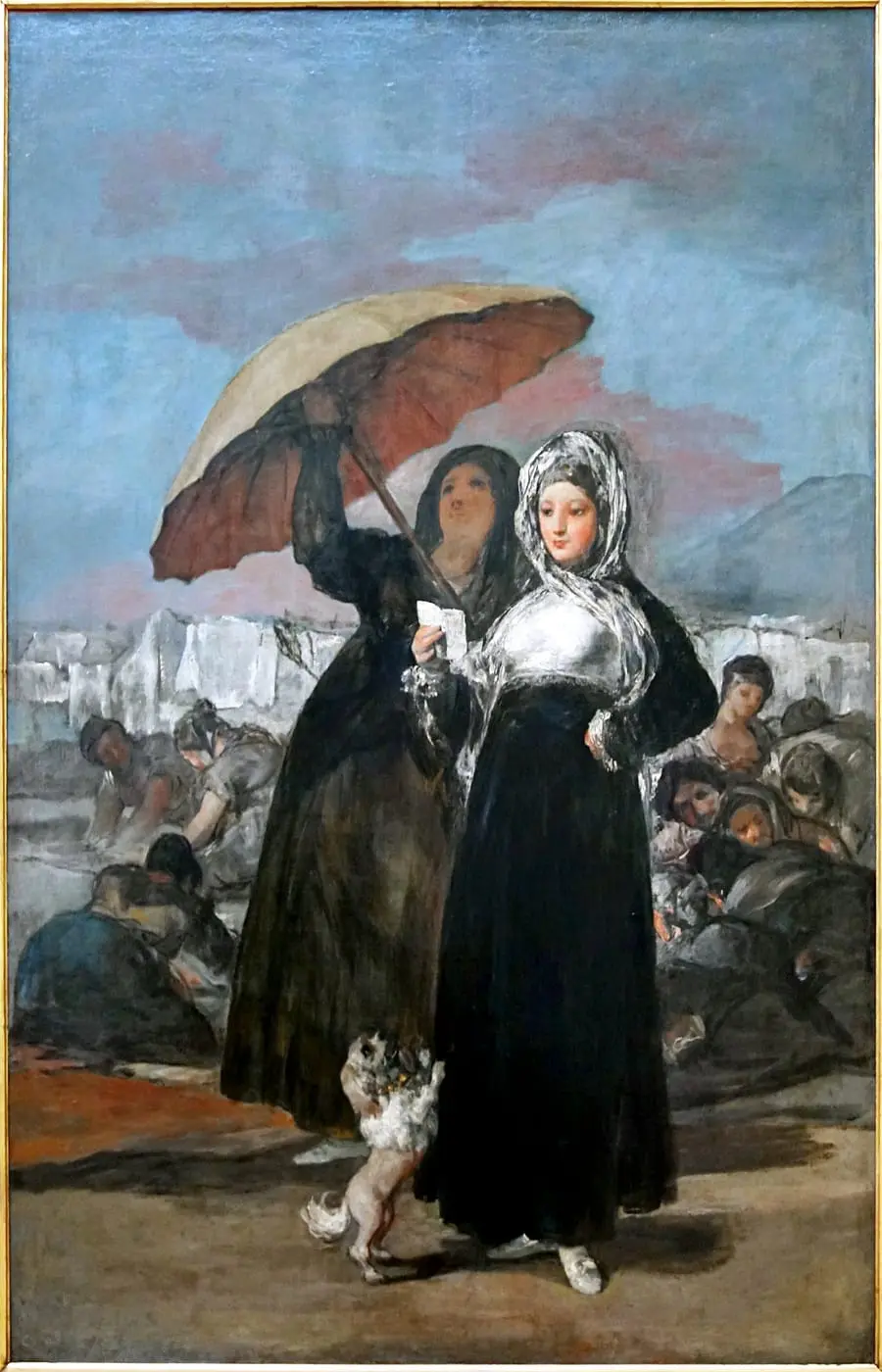
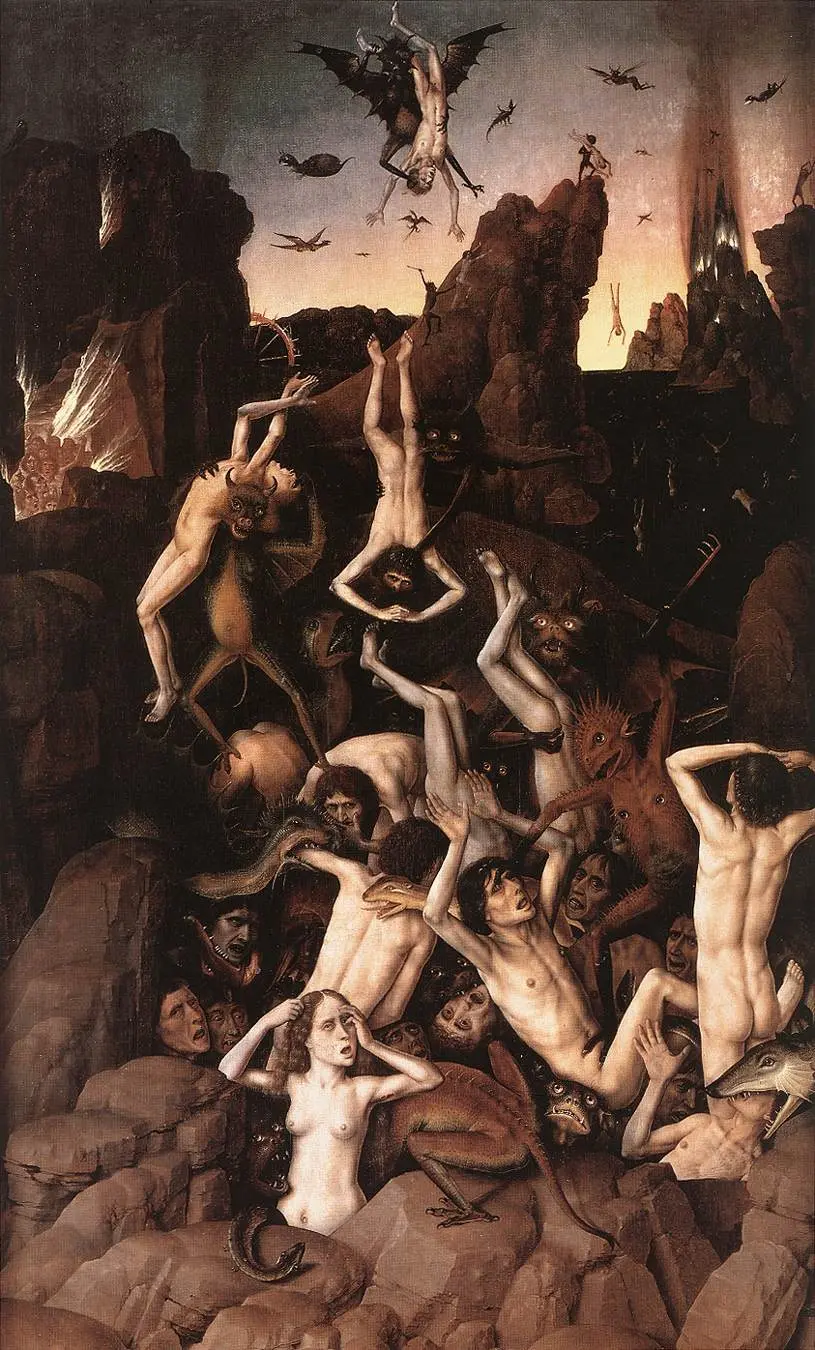
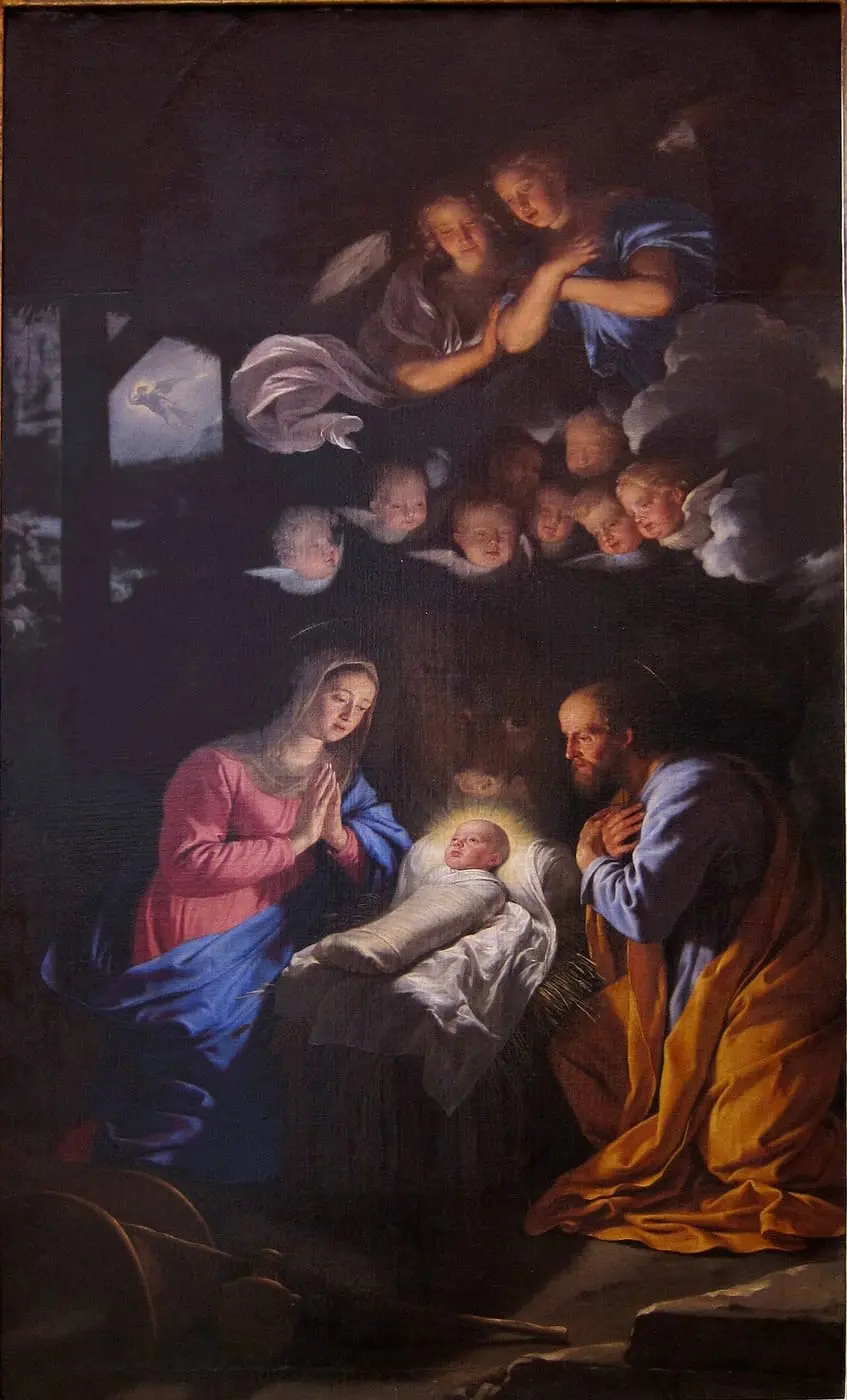
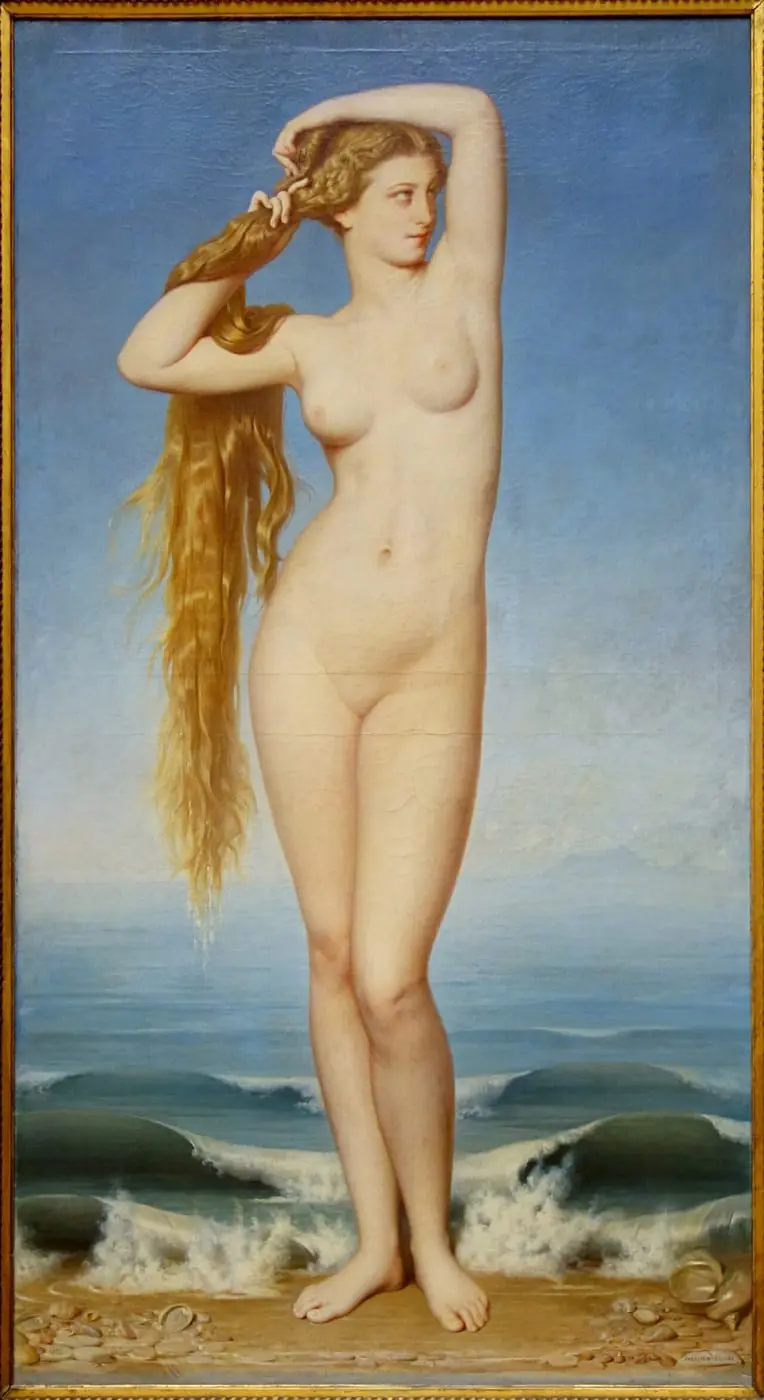
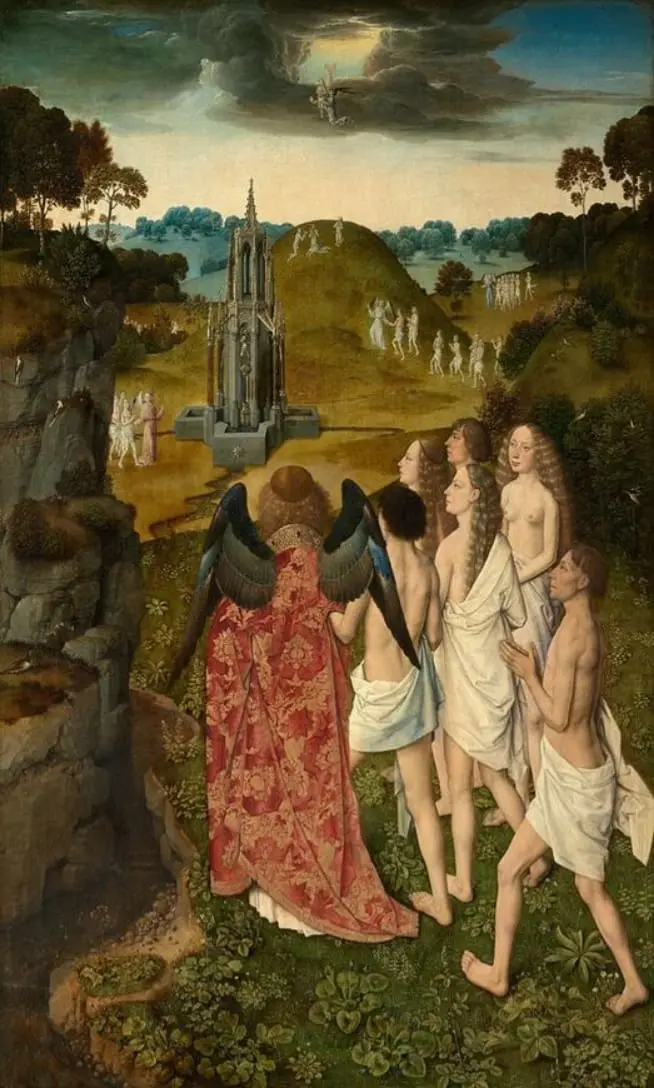
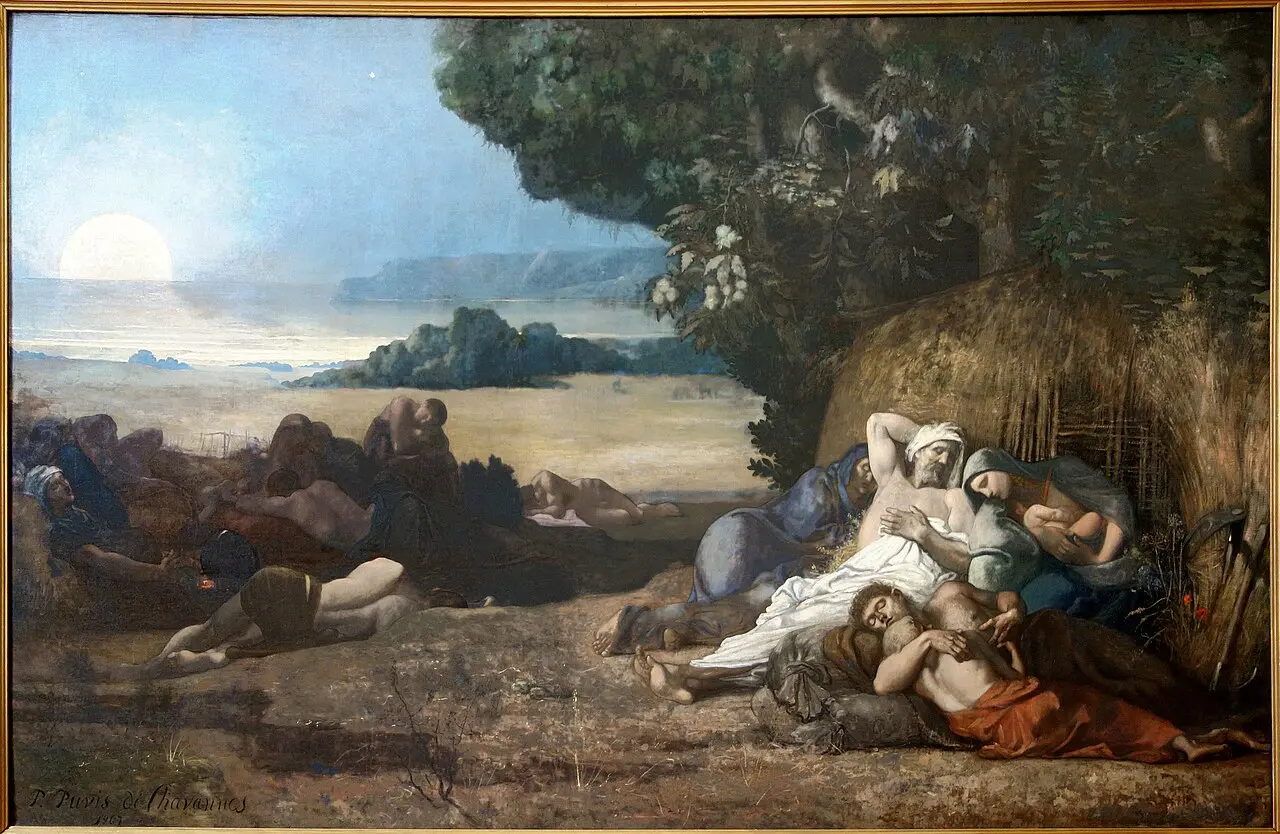
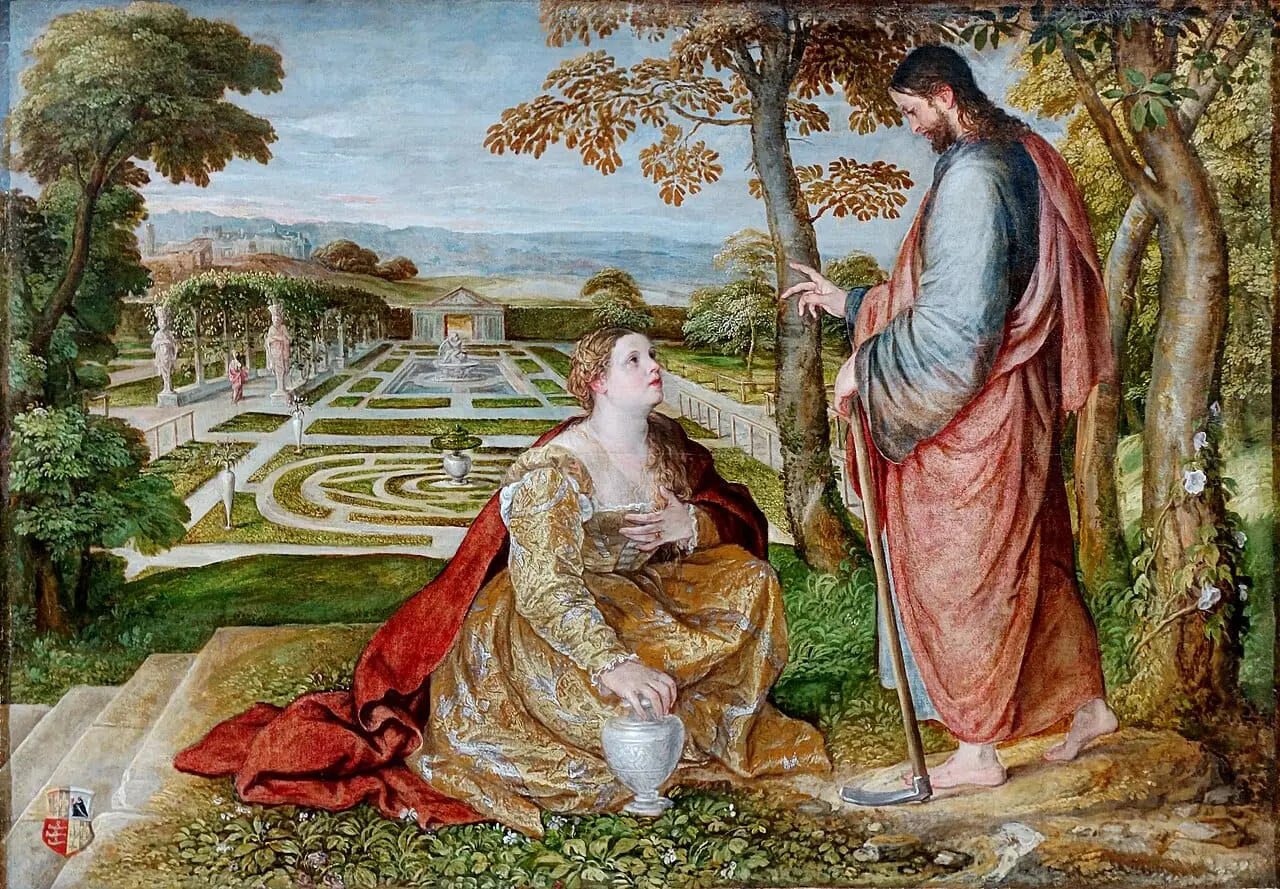
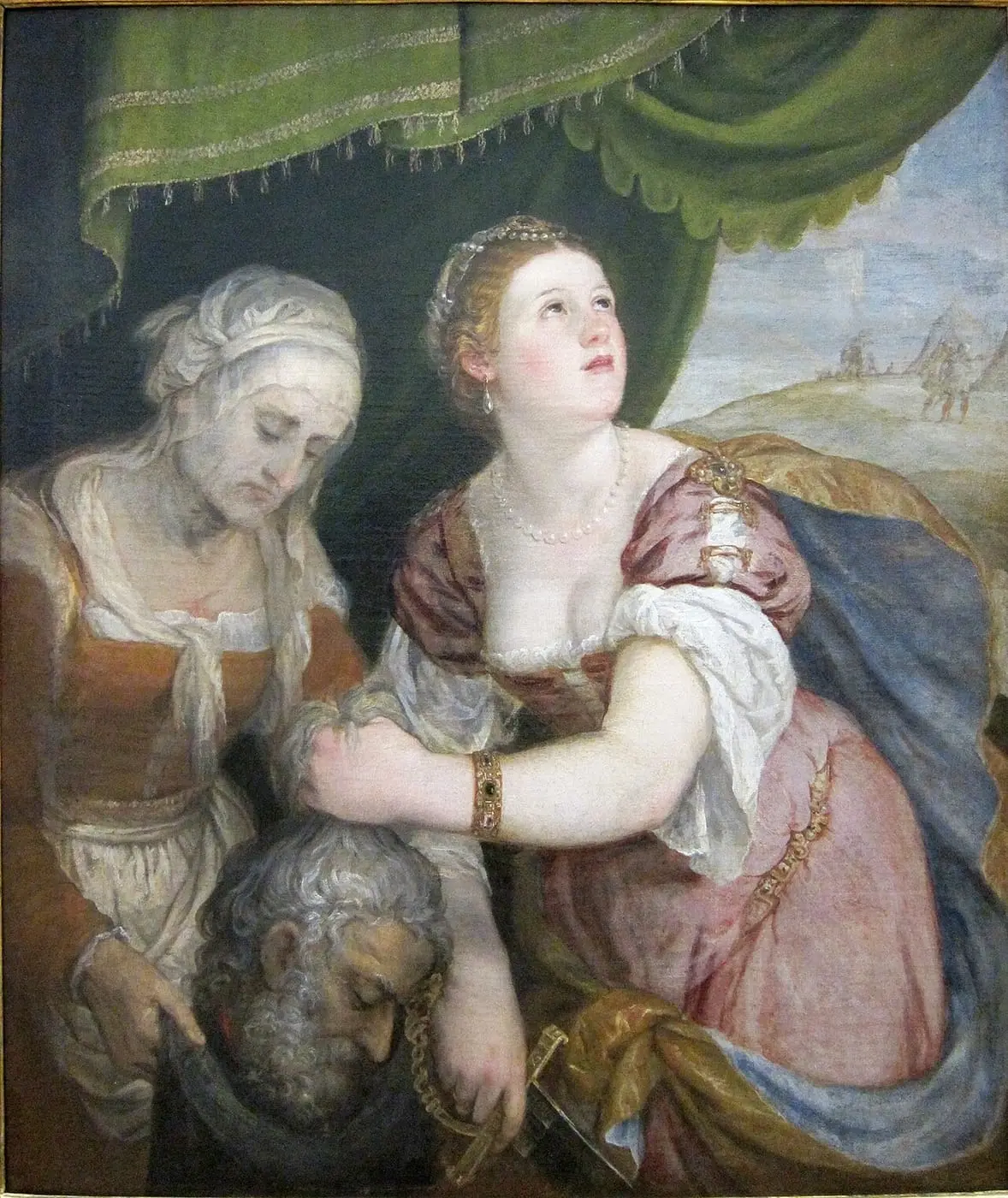
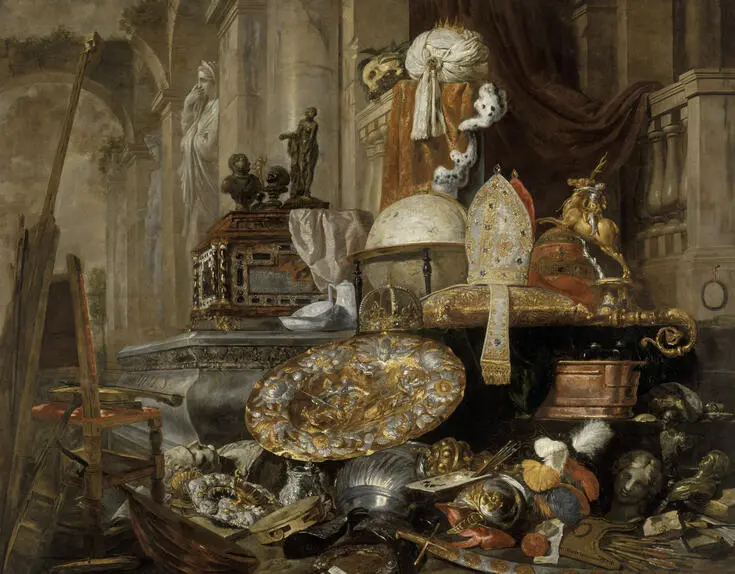
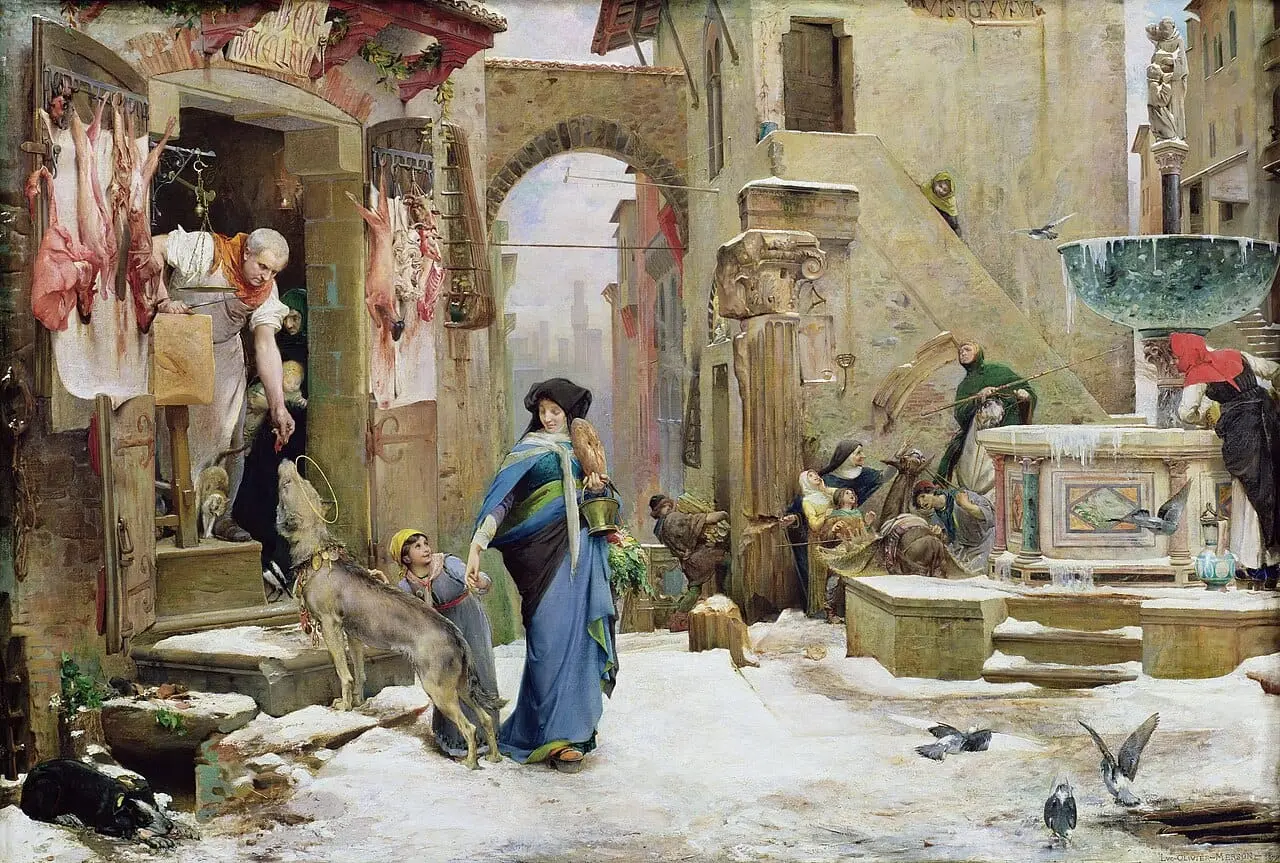
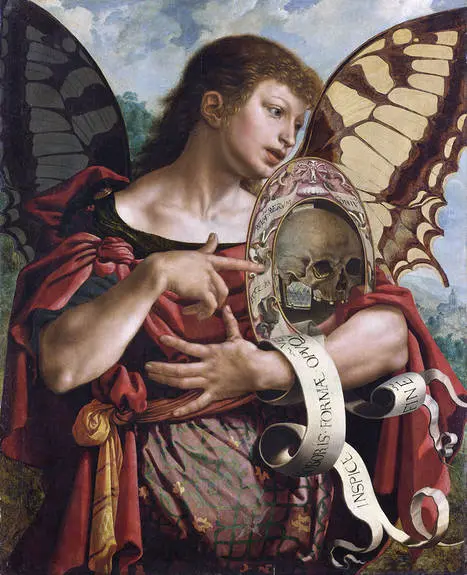
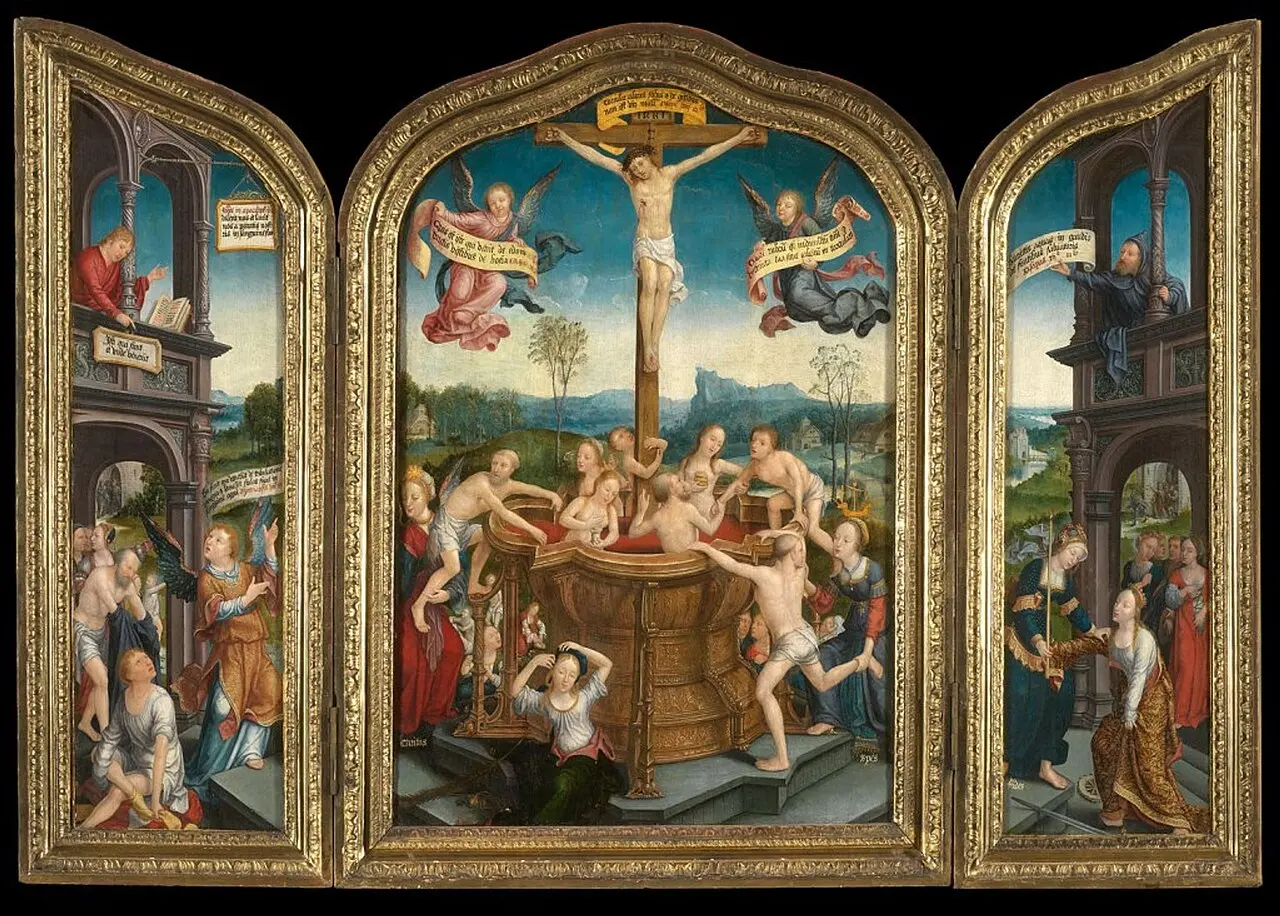
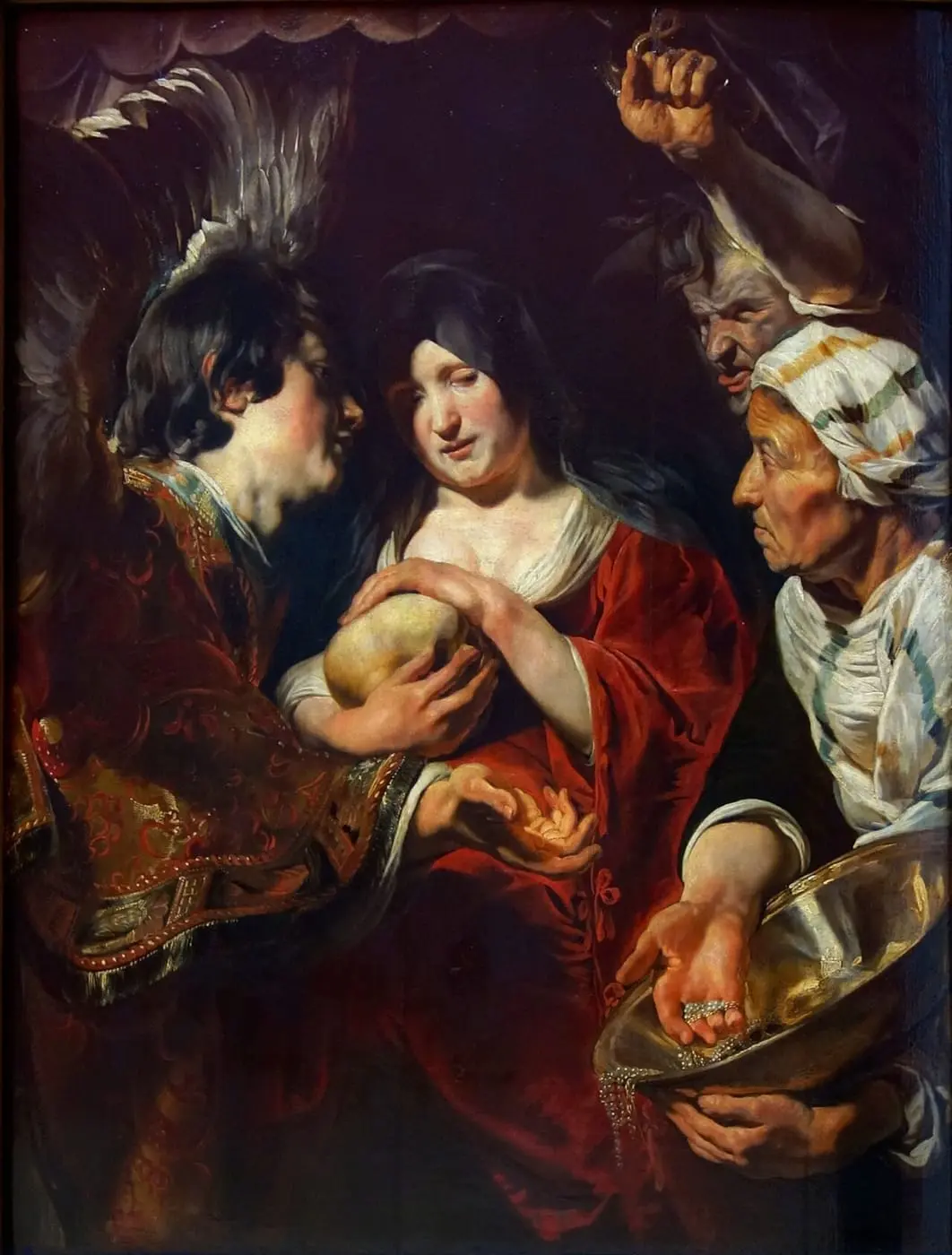
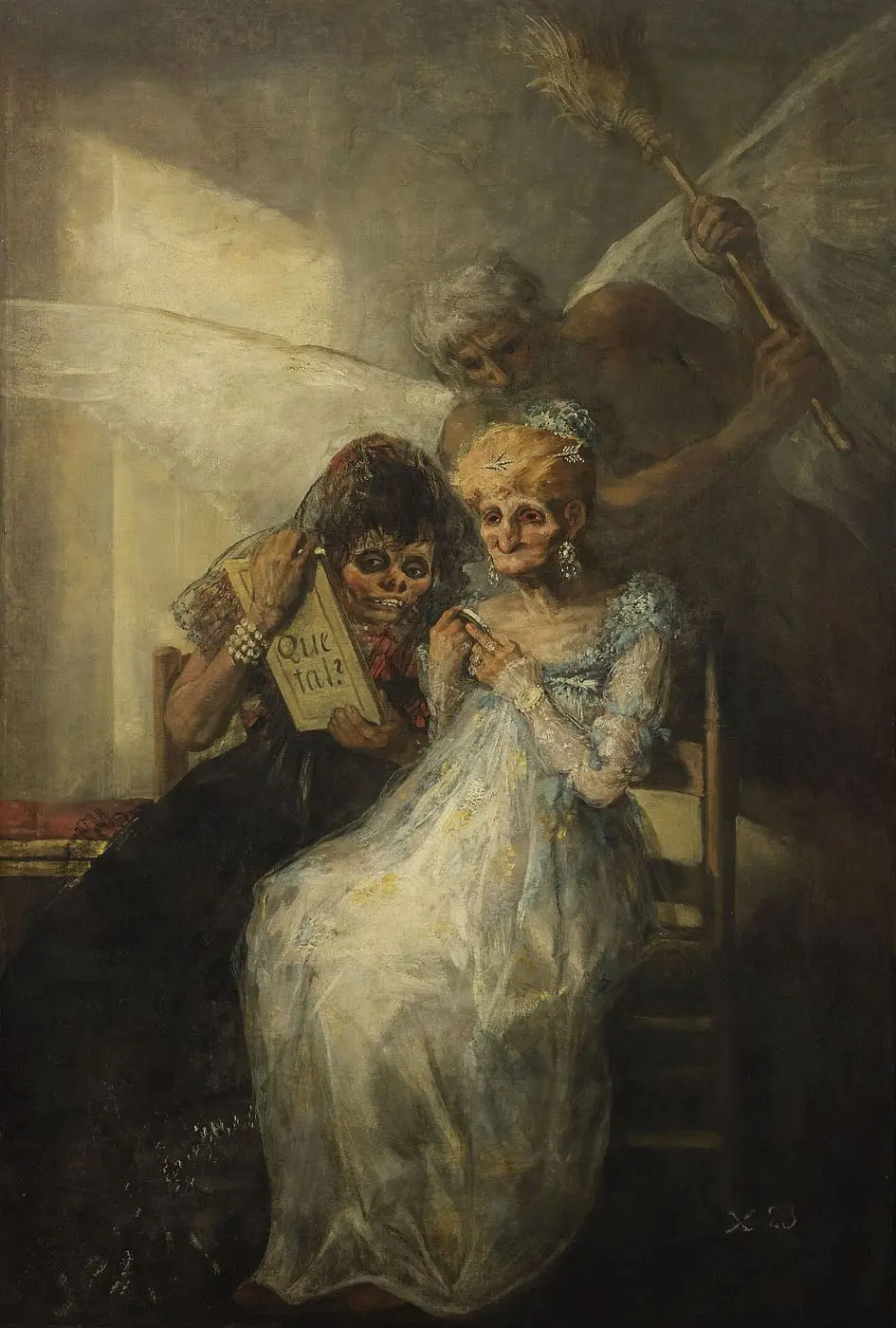
Founded under Napoleon from paintings taken from churches and the collections of émigrés, the museum grew into one of the largest in France. Its old masters include Rubens, Van Dyck and Jordaens, and Goya's Time (The Old Women) and The Letter.
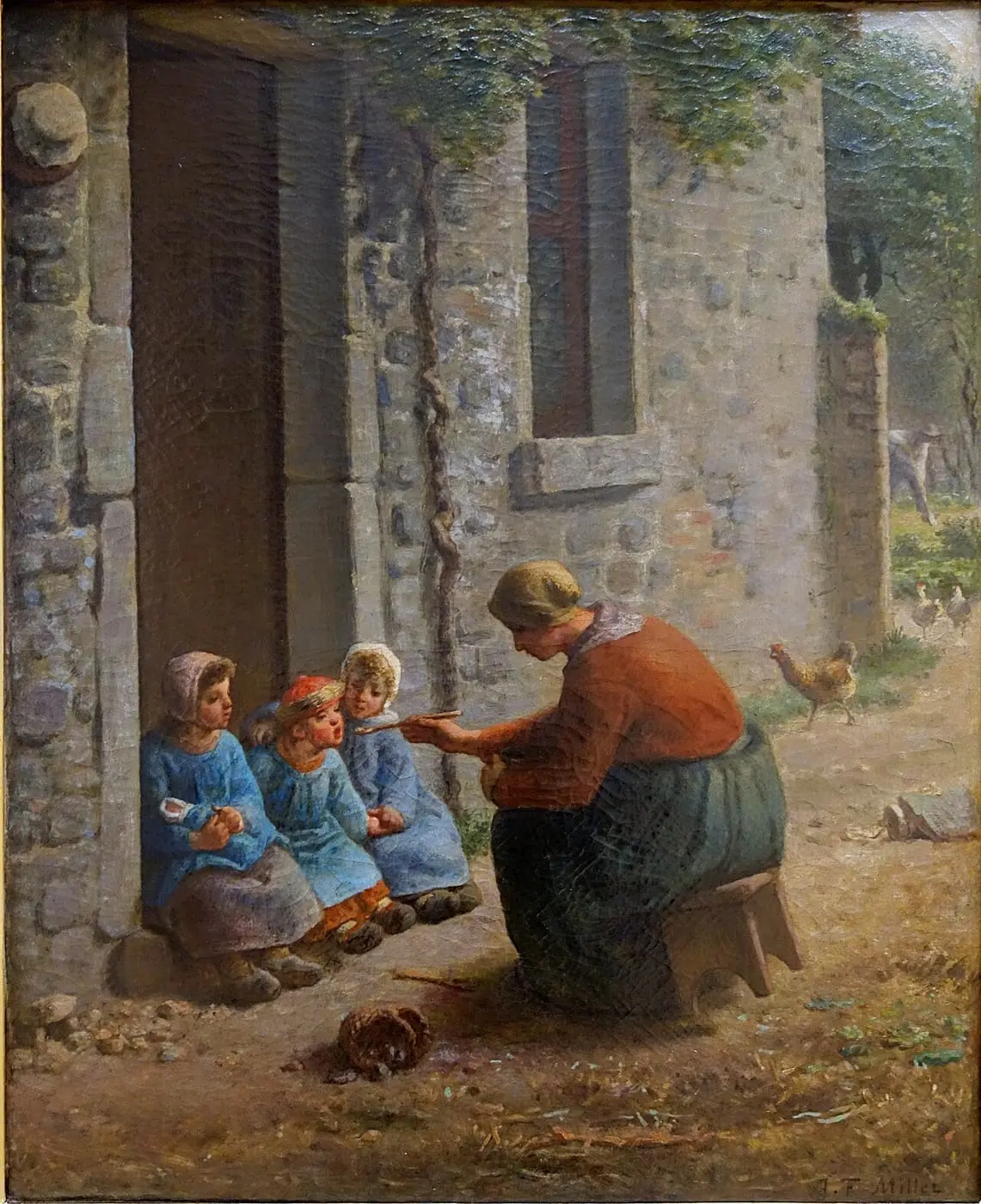
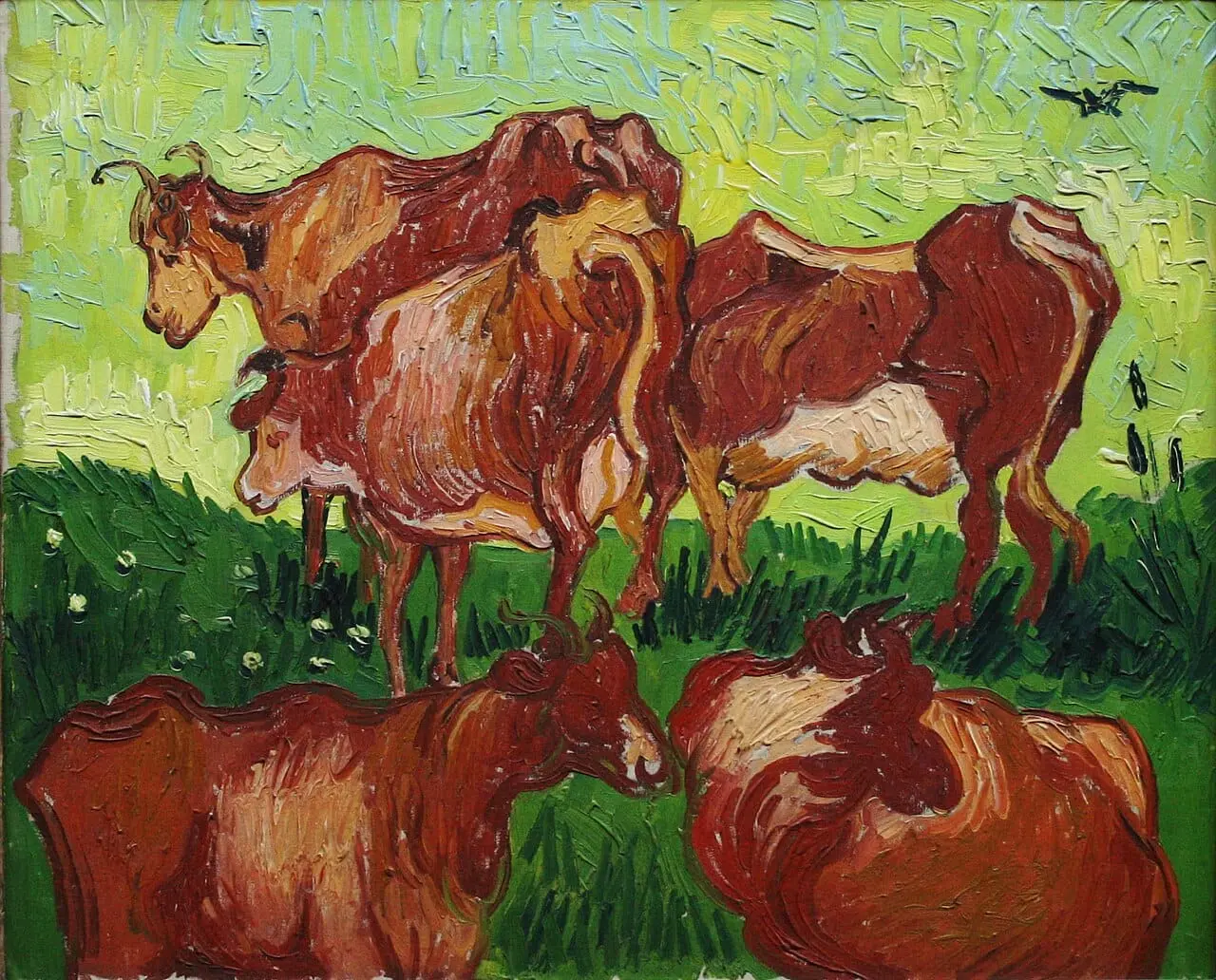
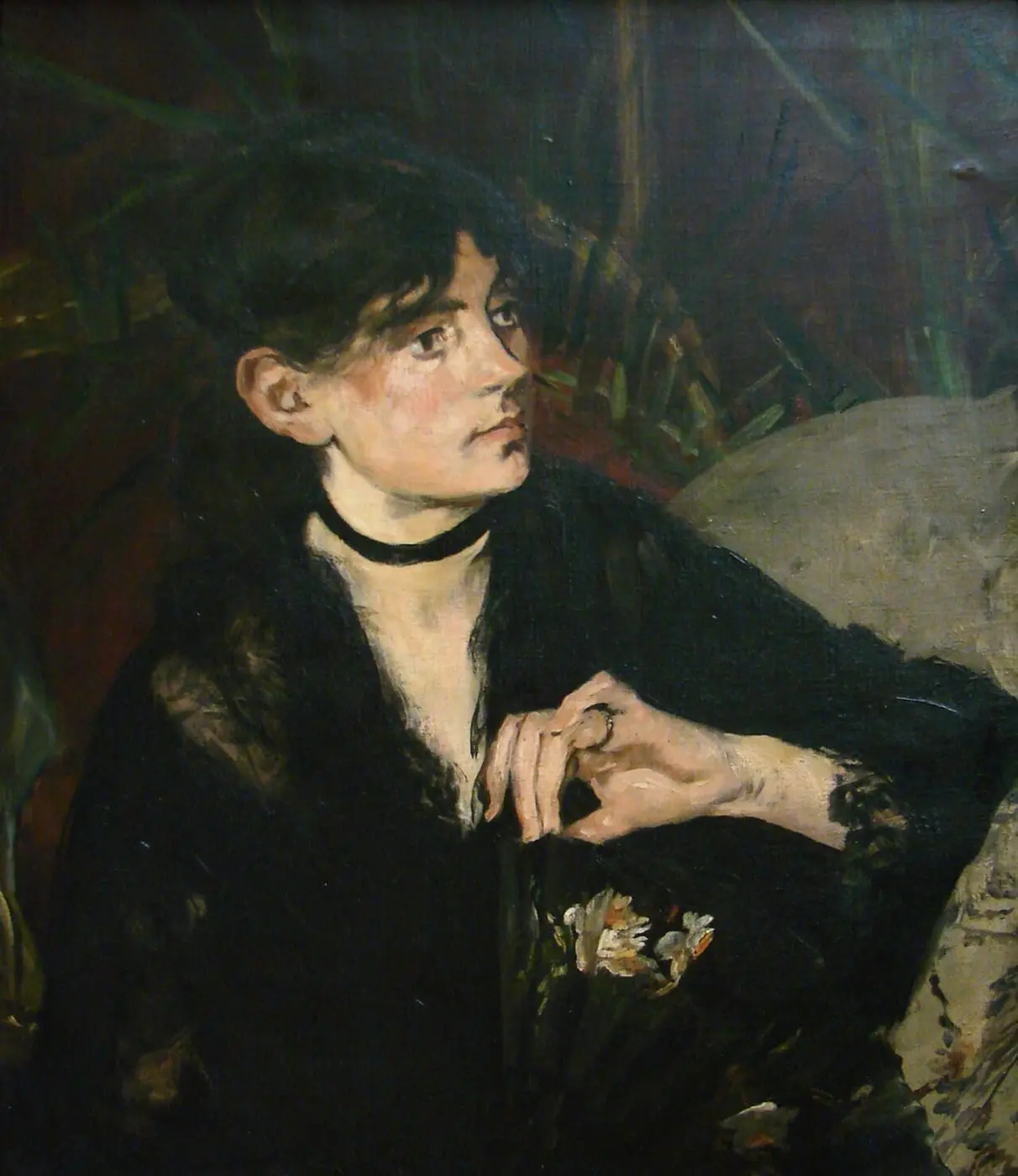
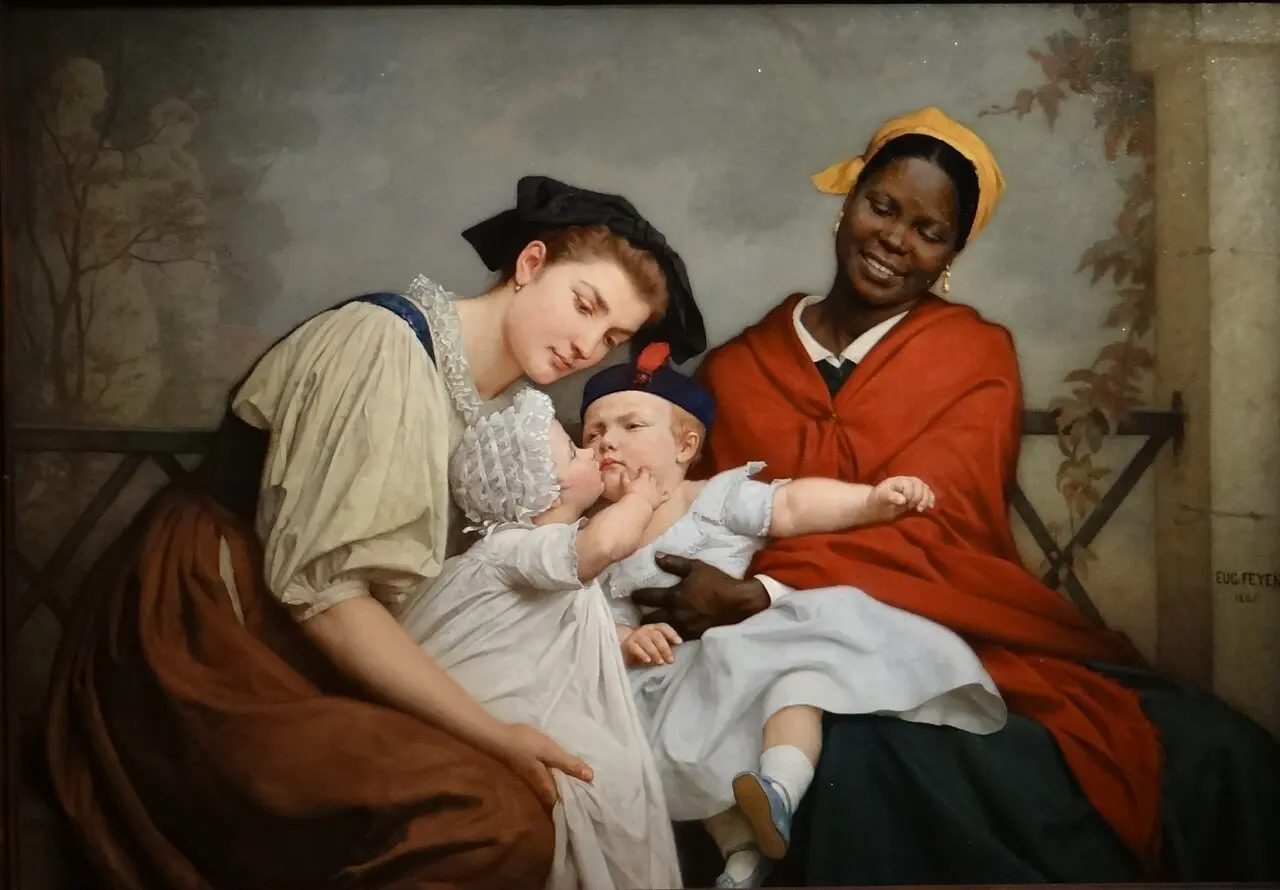
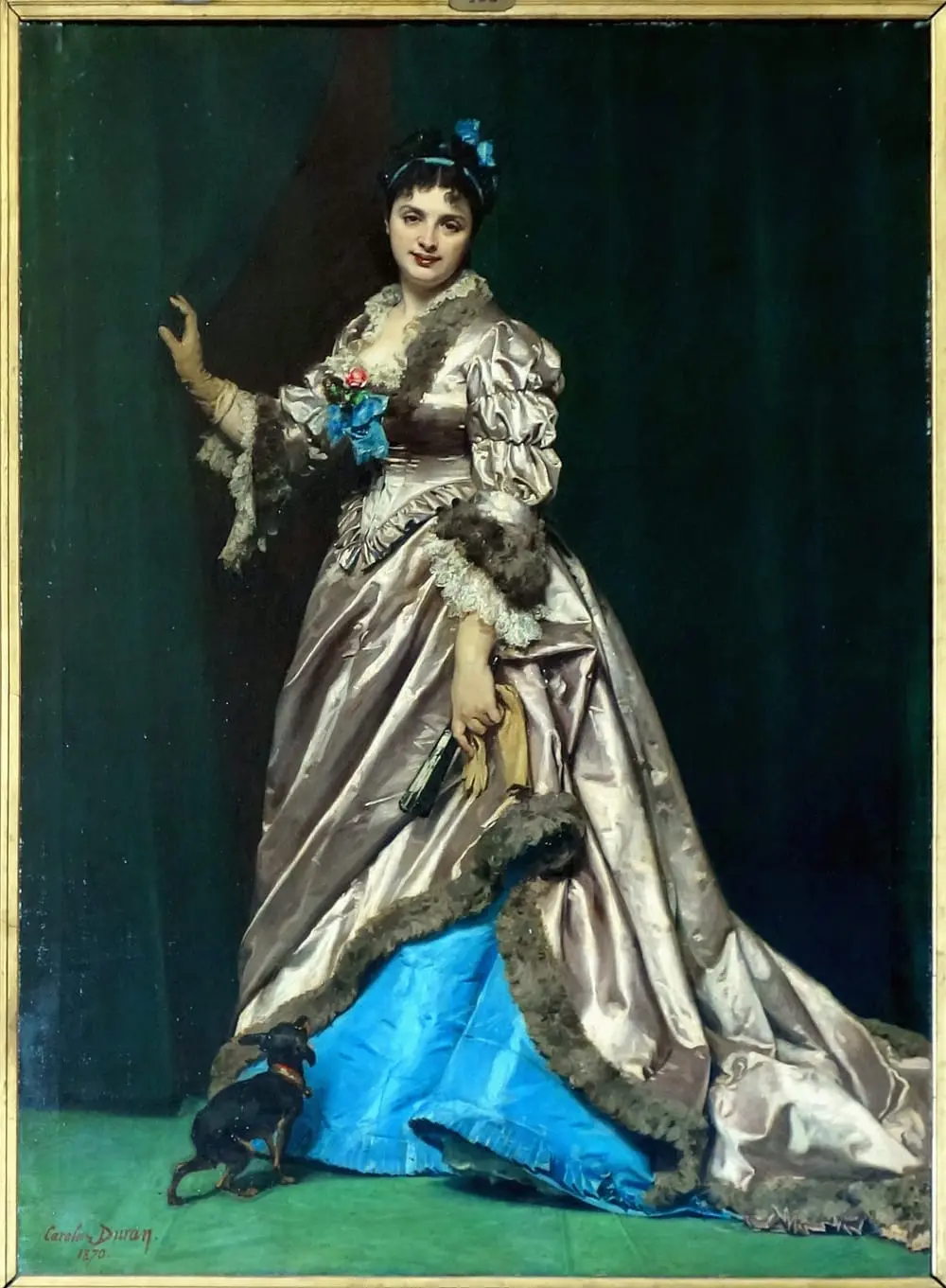
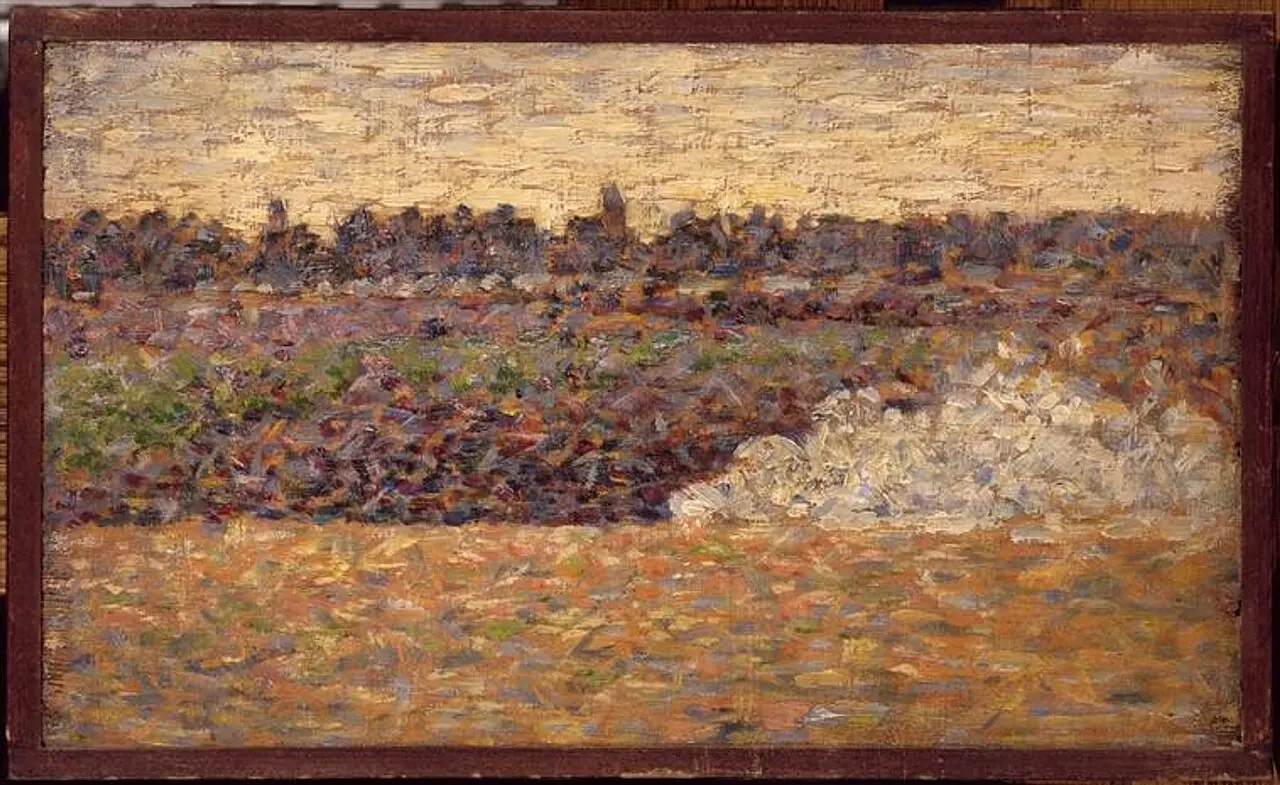
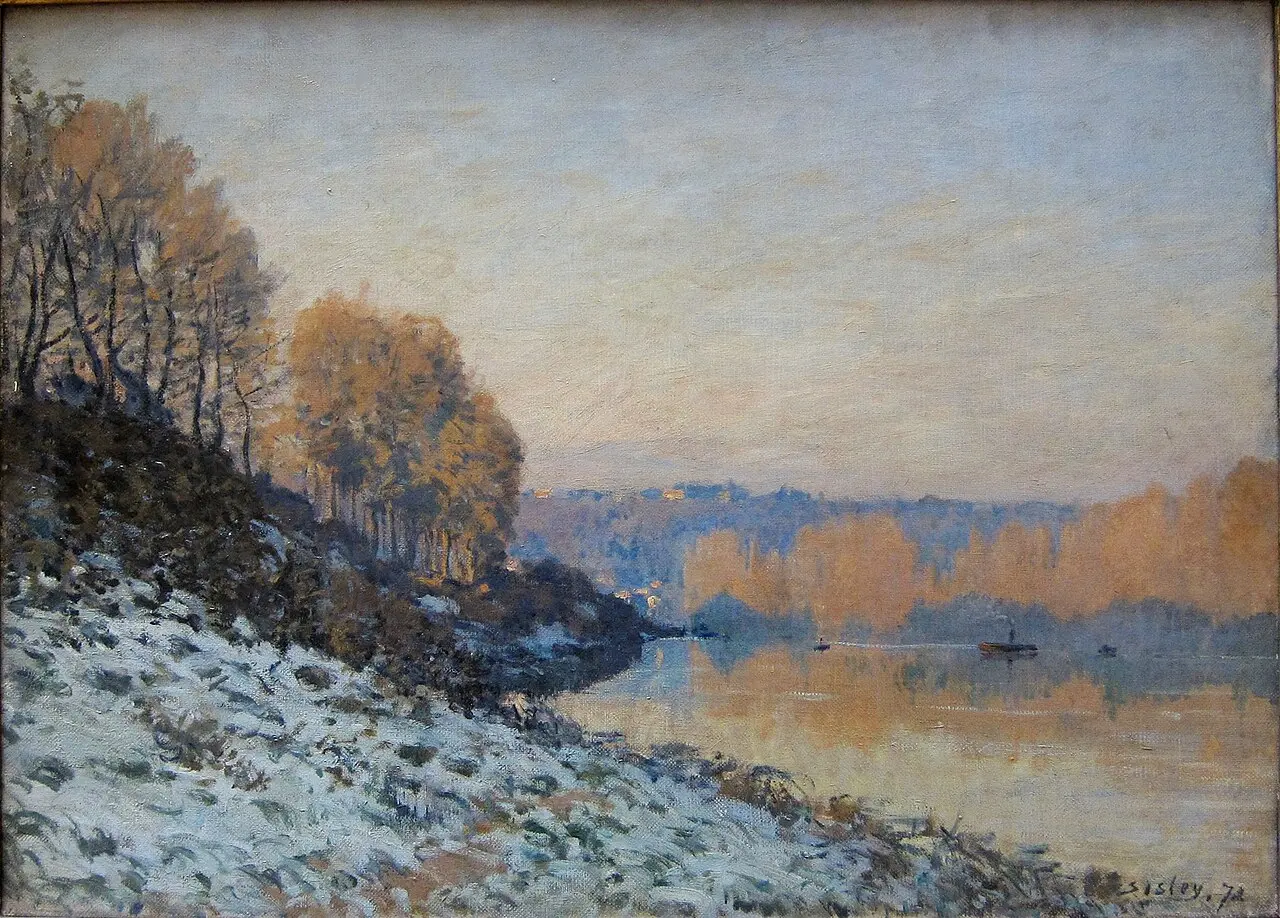
French painting is shown from the seventeenth century to Courbet, Delacroix and the Impressionists, and the museum holds the collection of relief maps of fortified towns made for Louis XIV and his successors.
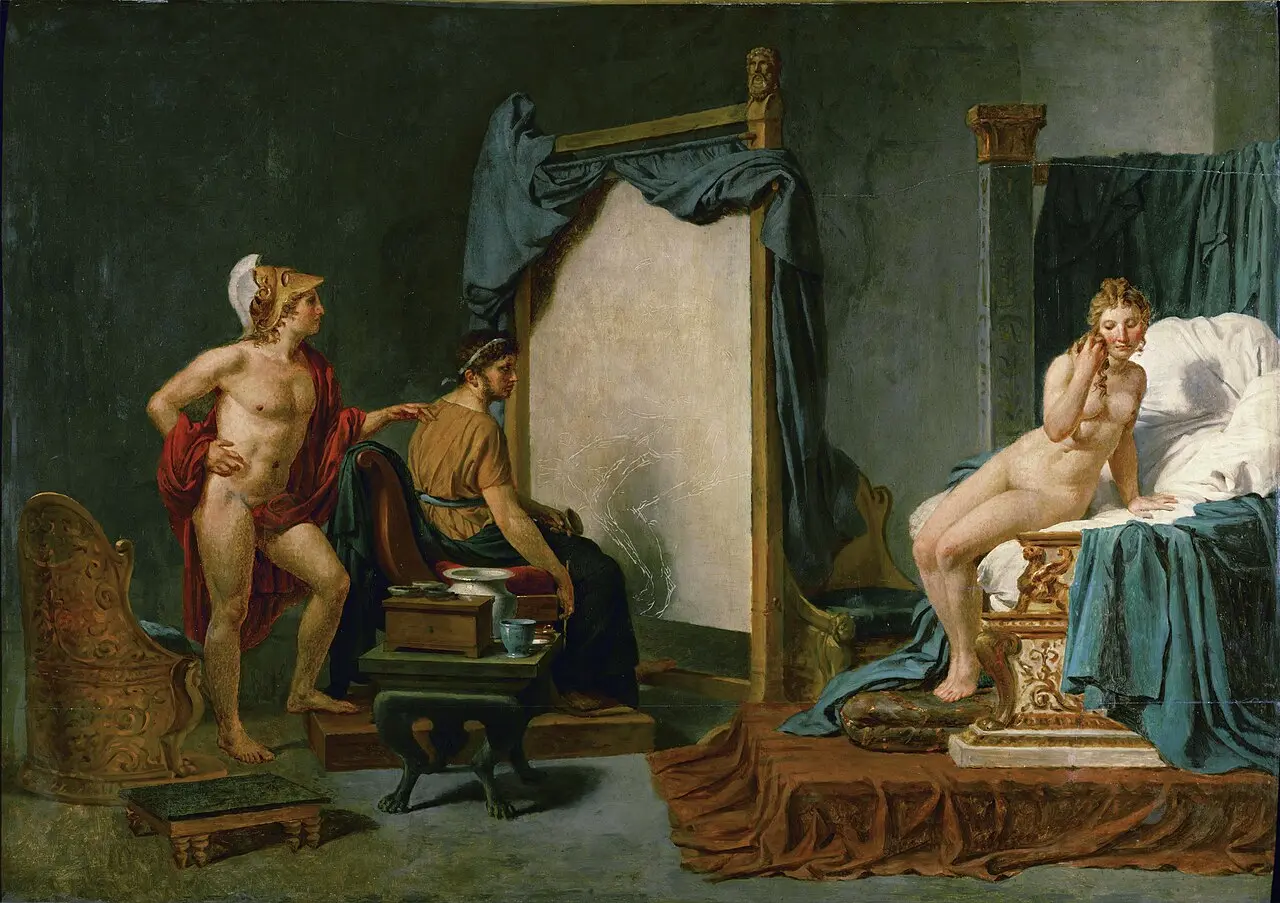
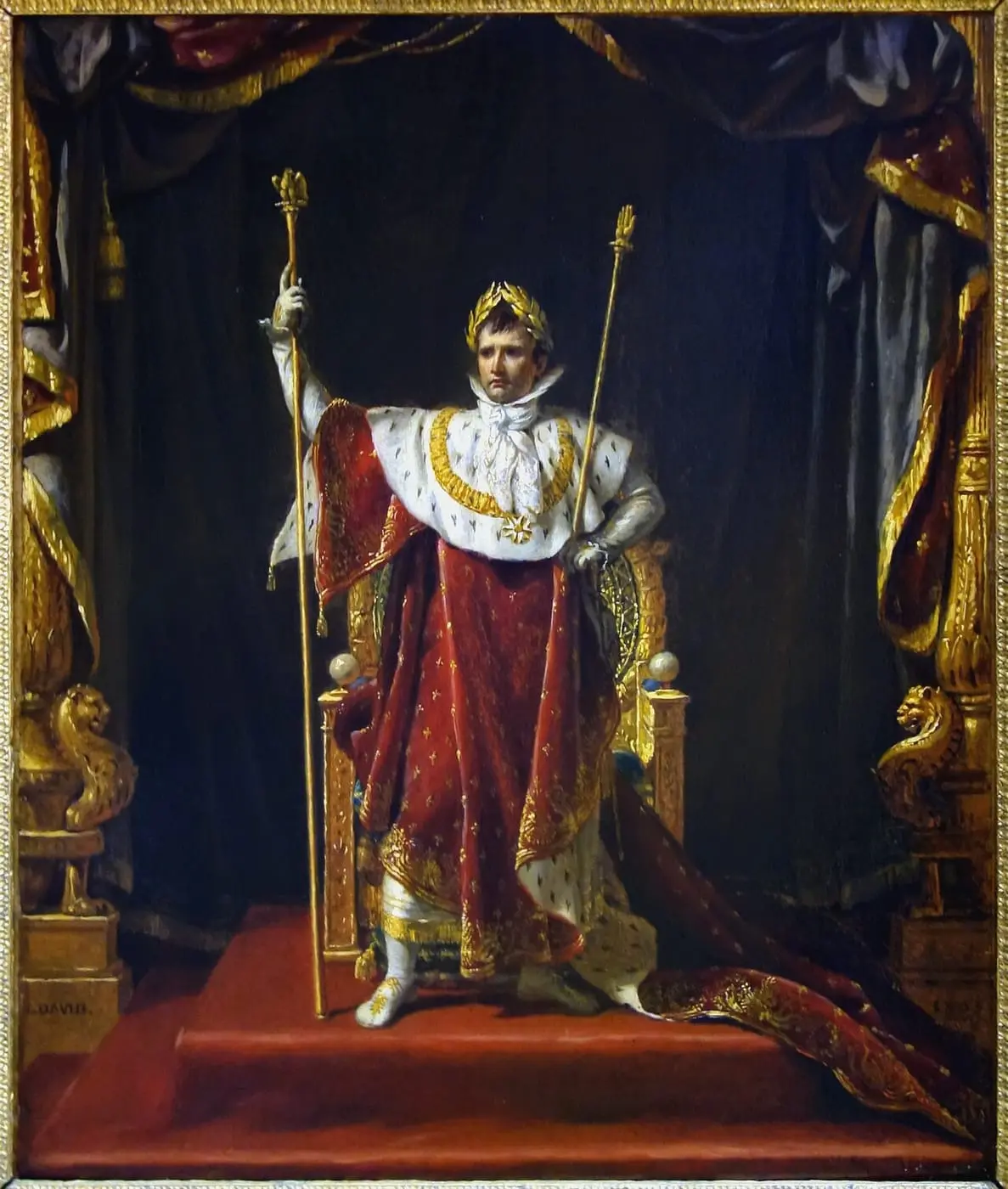
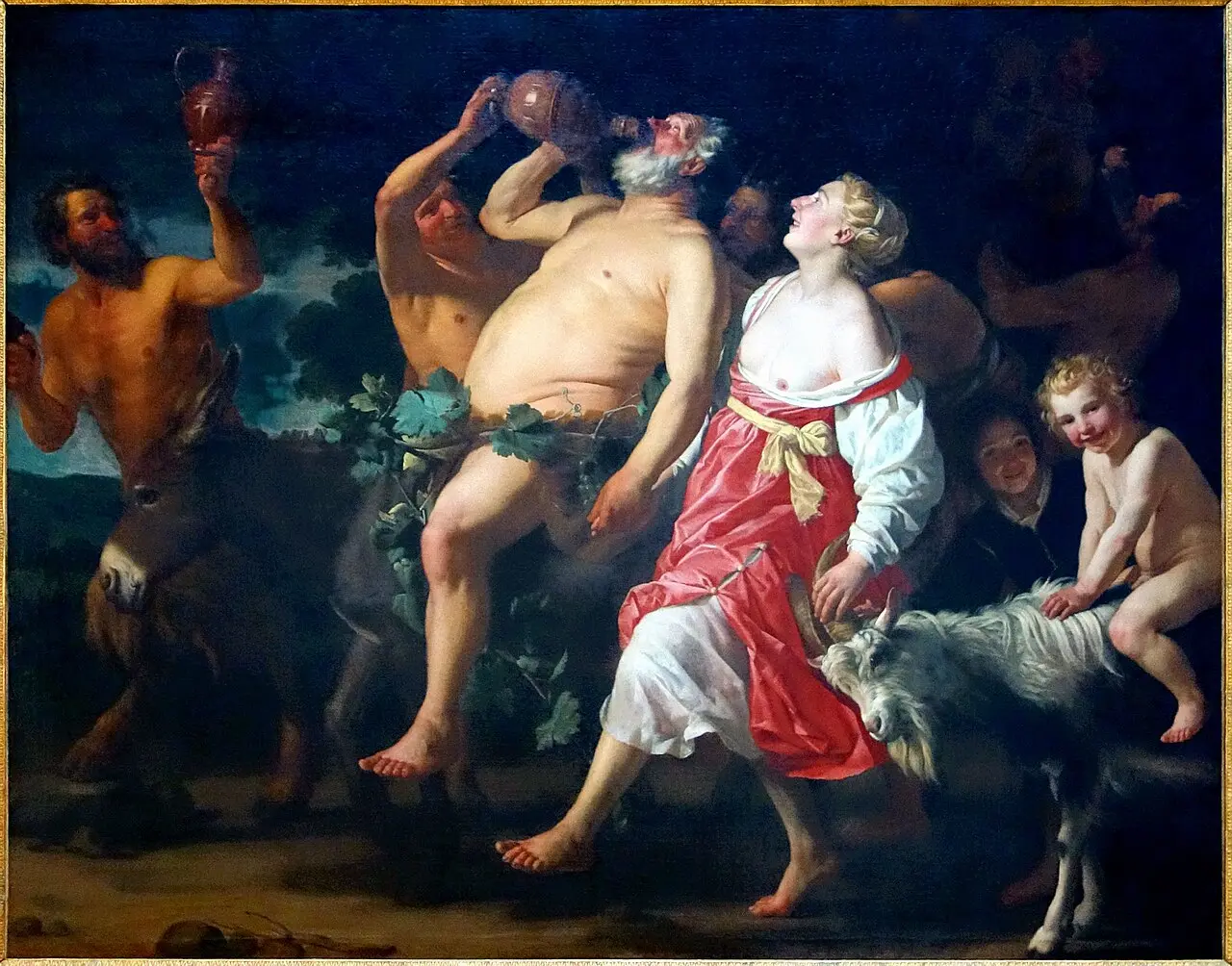
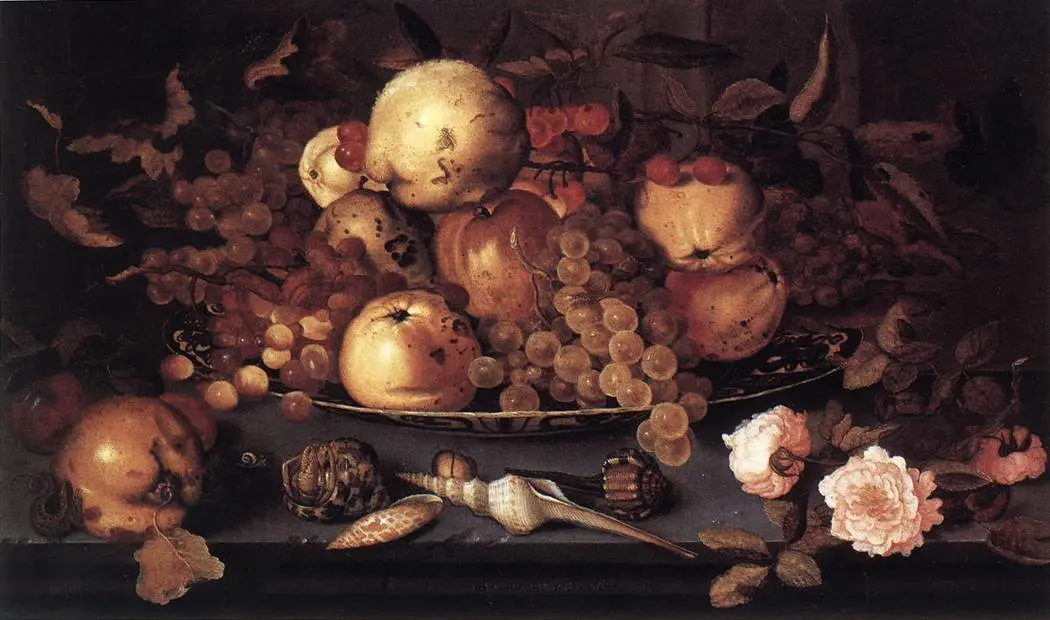
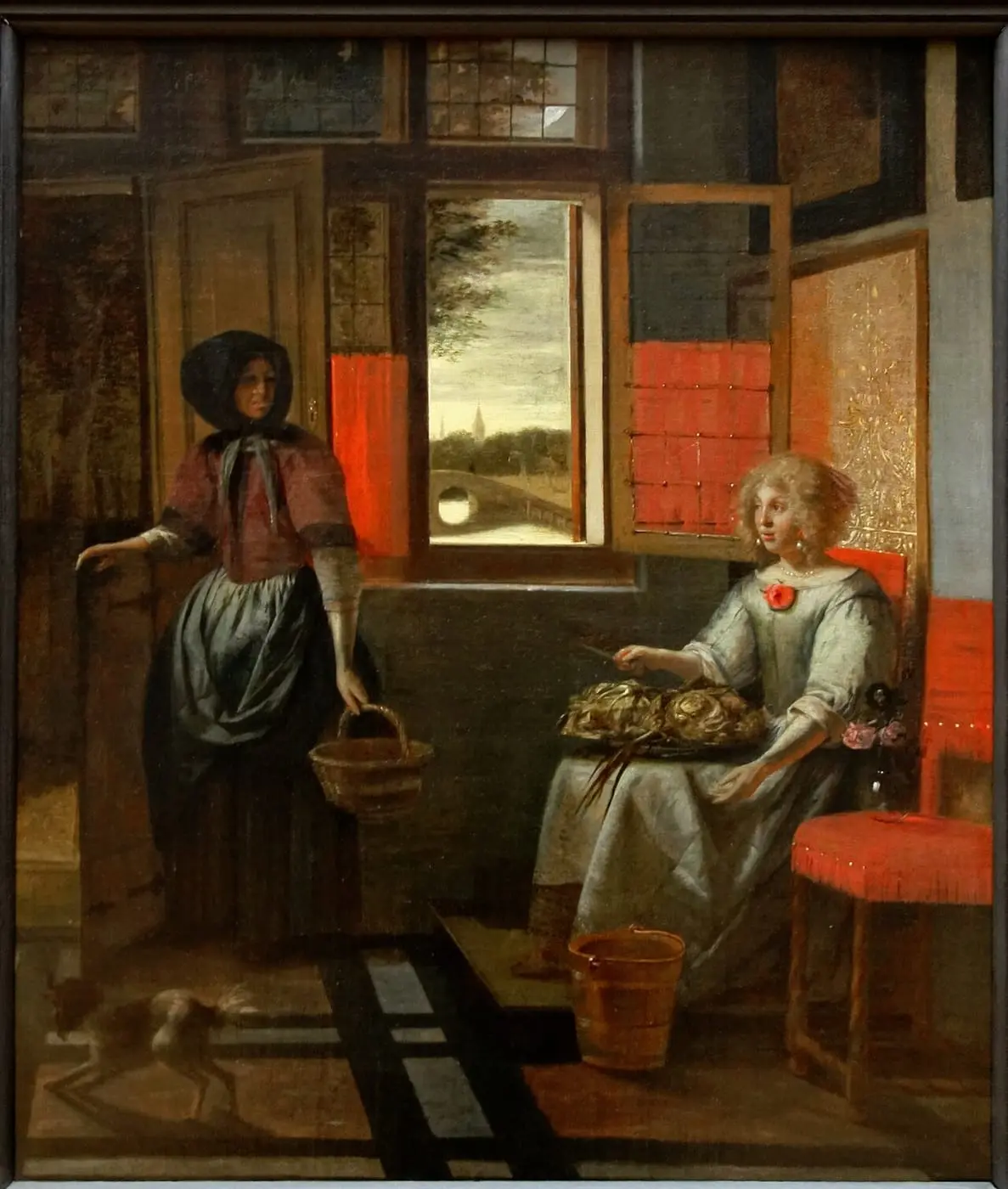
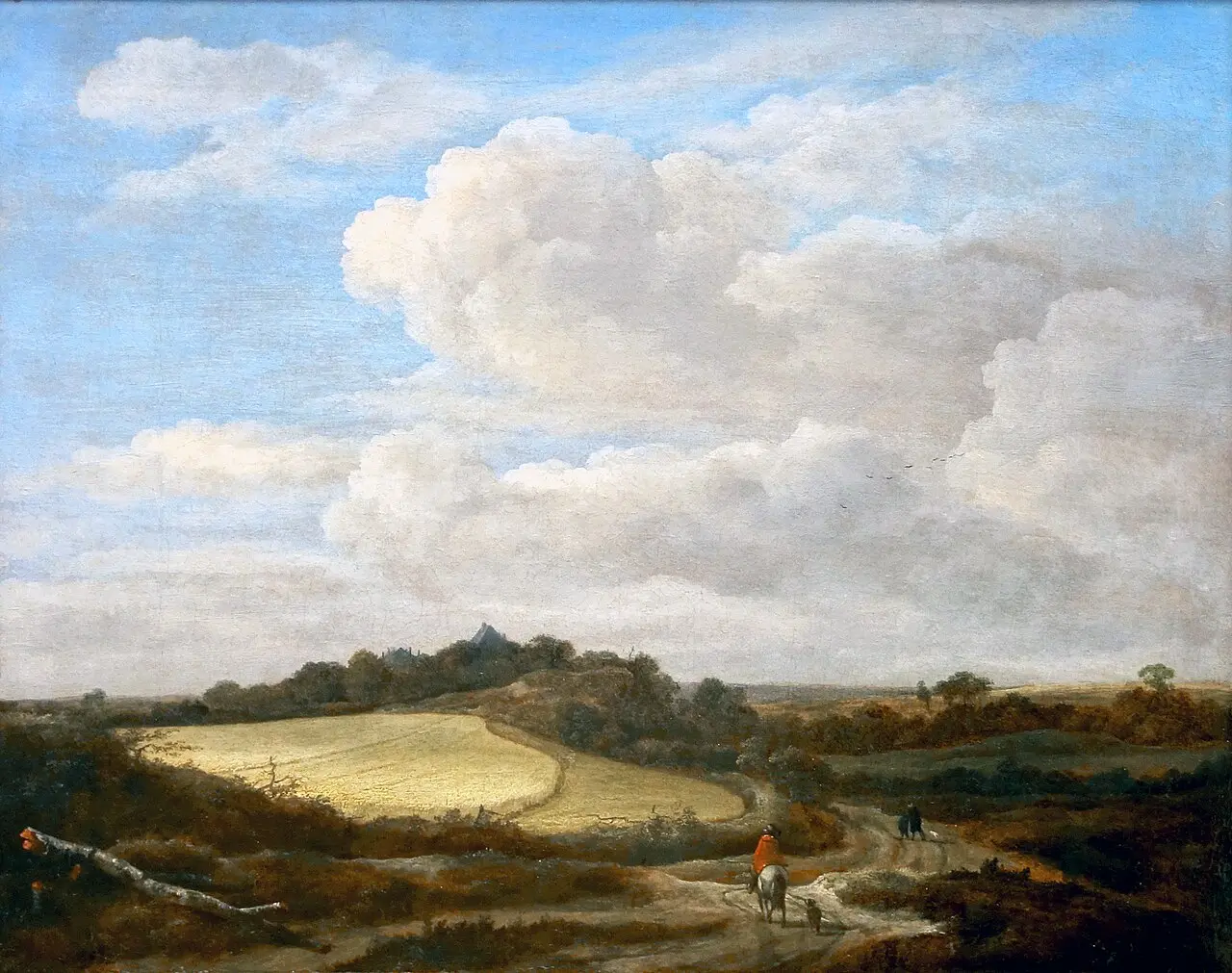
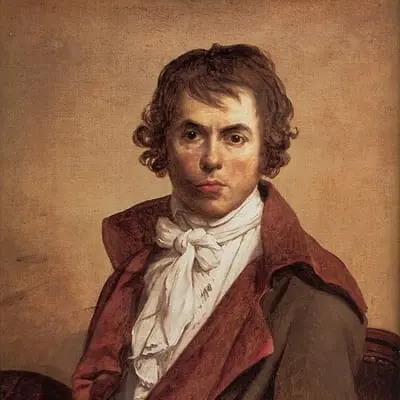
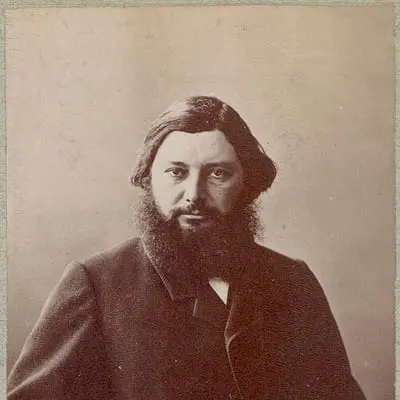
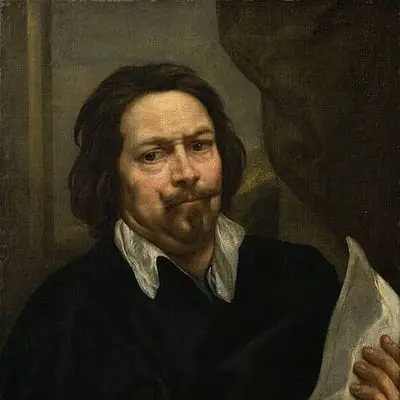
At ArtLogia you can order 60 of its paintings as hand-painted reproductions, by 47 artists led by Jacques-Louis David, Gustave Courbet and Jacob Jordaens.
- paintings to order
- 60
- artists
- 47
- art movements
- 12
- years covered
- 1450–1904
The building
The palace, designed by Edouard Bérard and Fernand Delmas, opened in 1892 on the Place de la République. Its renovation in the 1990s added a thin glass building across the garden that reflects the old façade.
Masterpieces to see
Planning a visit
Lille's famous flea market, the Braderie, fills the streets around the museum each September.