
About the museum
The story of the Pushkin Museum of Fine Arts
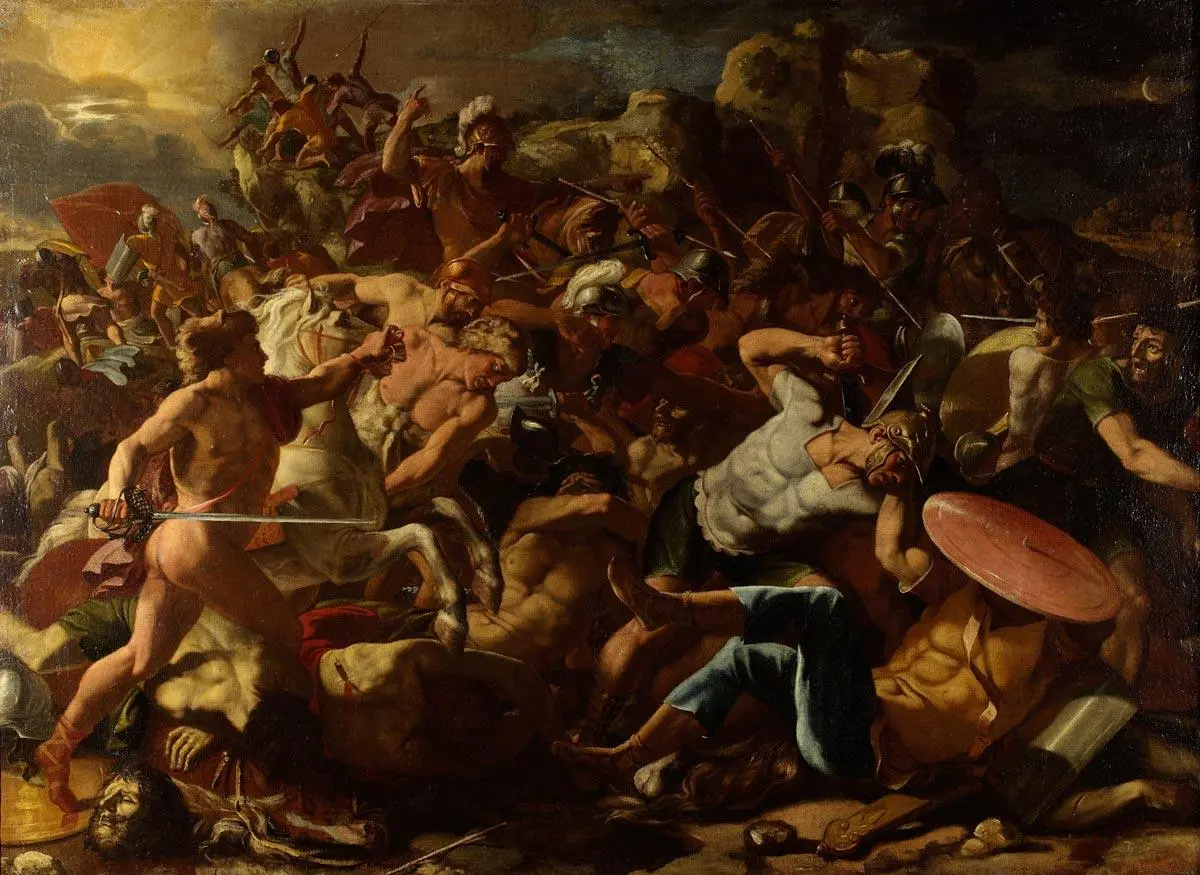
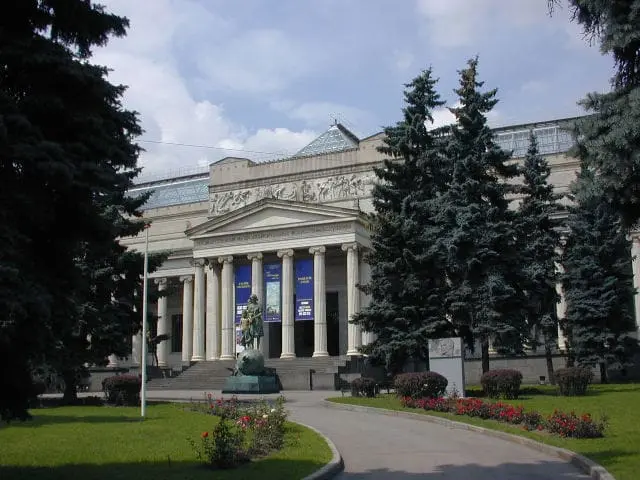
The Pushkin State Museum of Fine Arts opened in Moscow in 1912, close to the Kremlin. It began as a teaching museum of plaster casts and grew into one of Russia's greatest collections of European art.
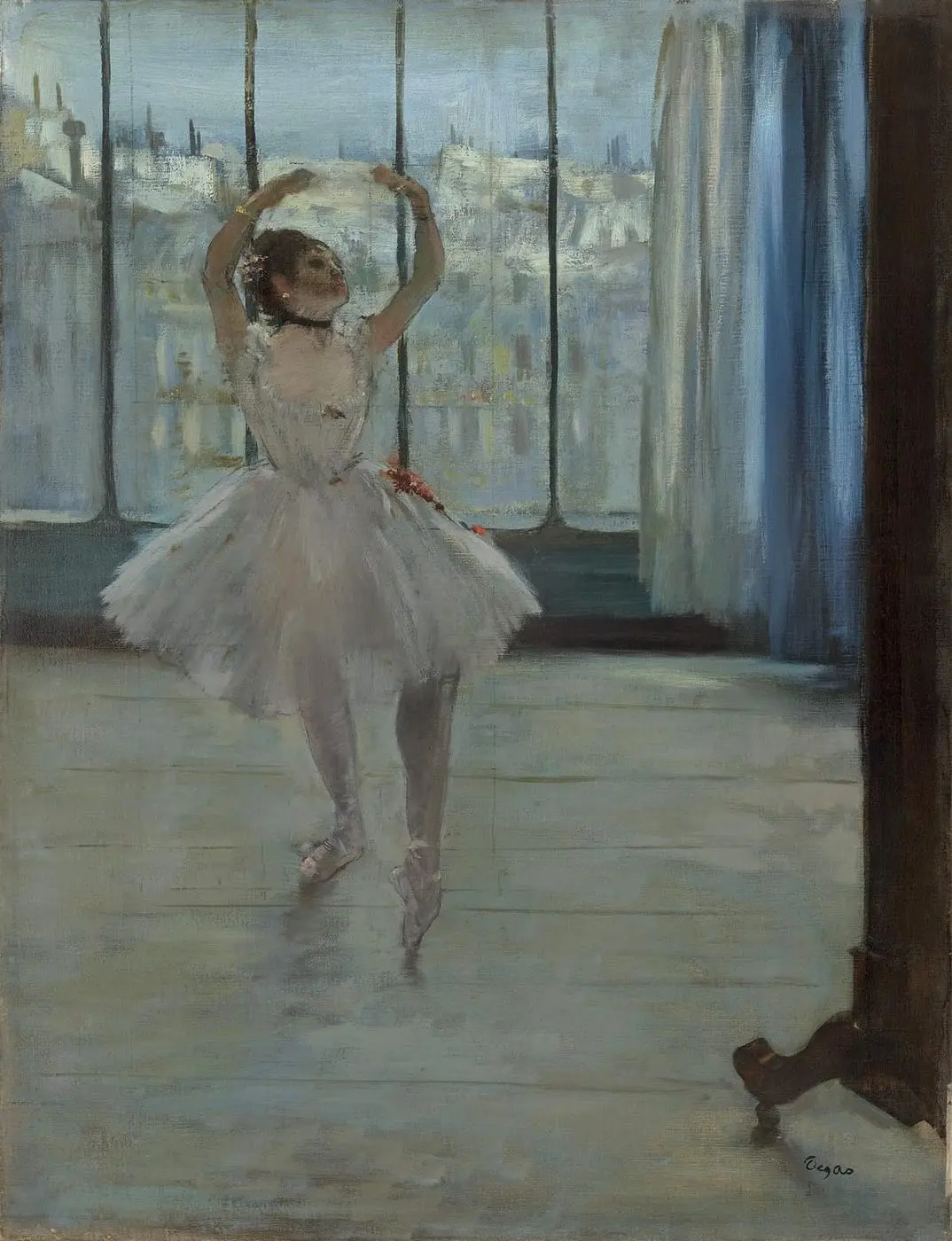
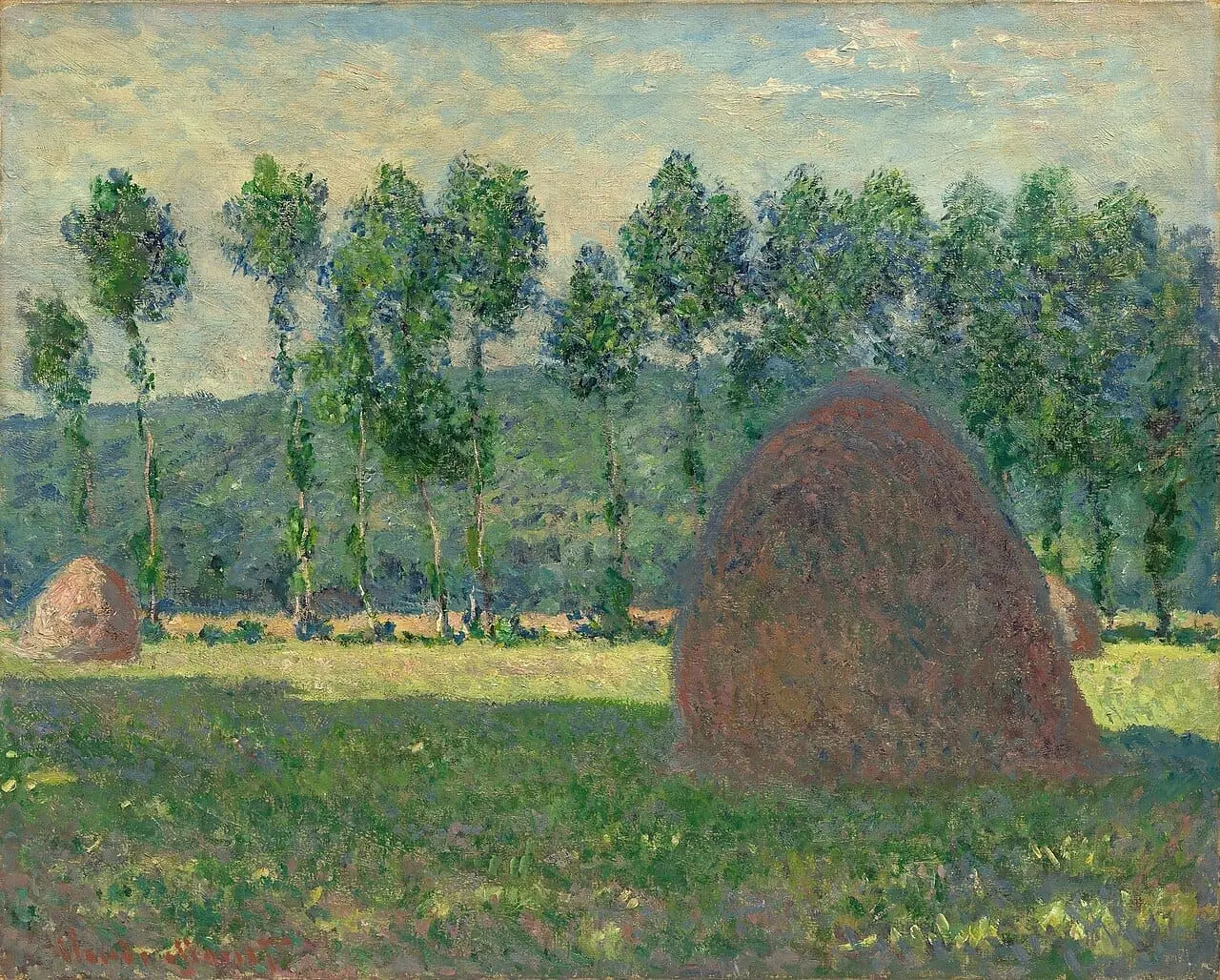
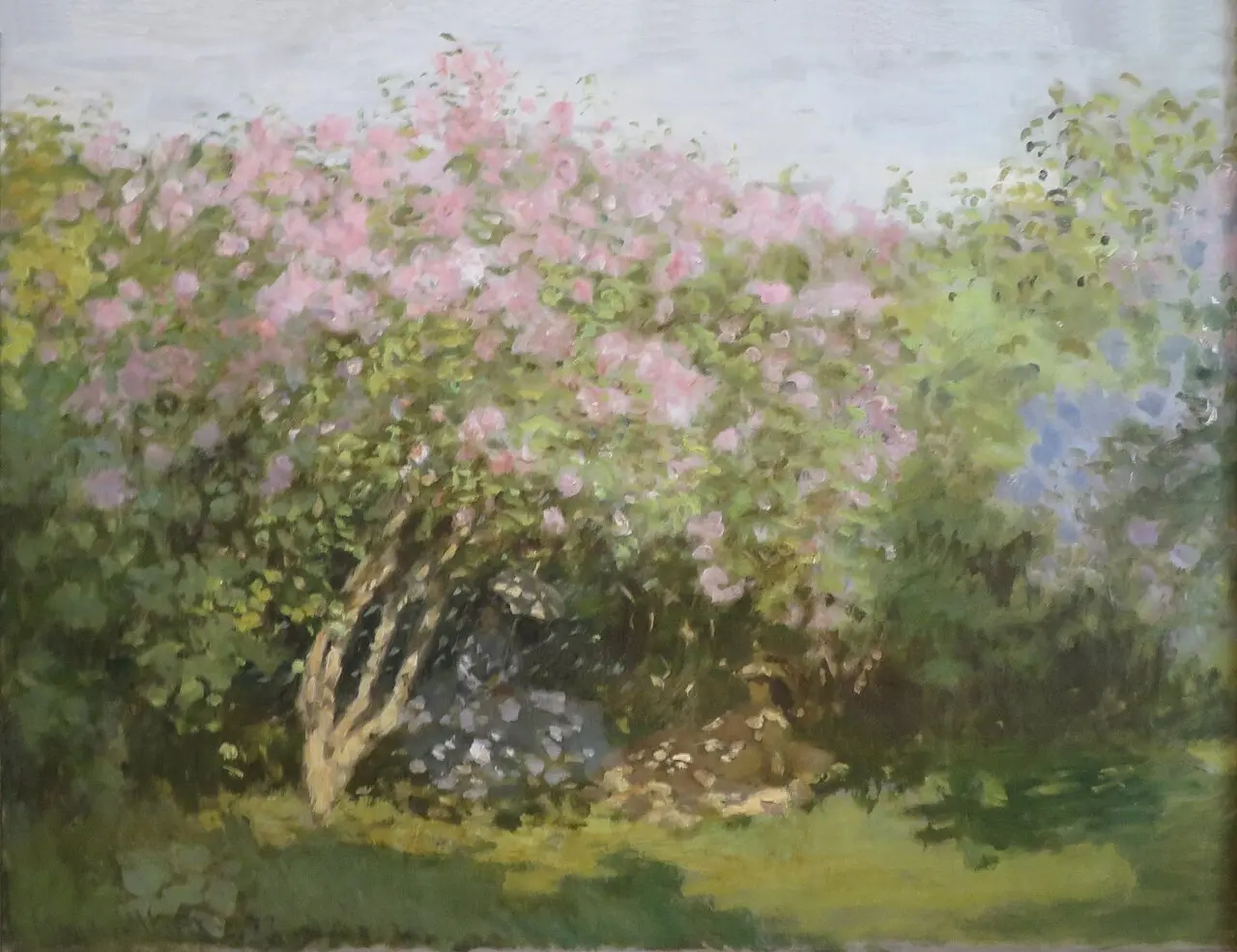
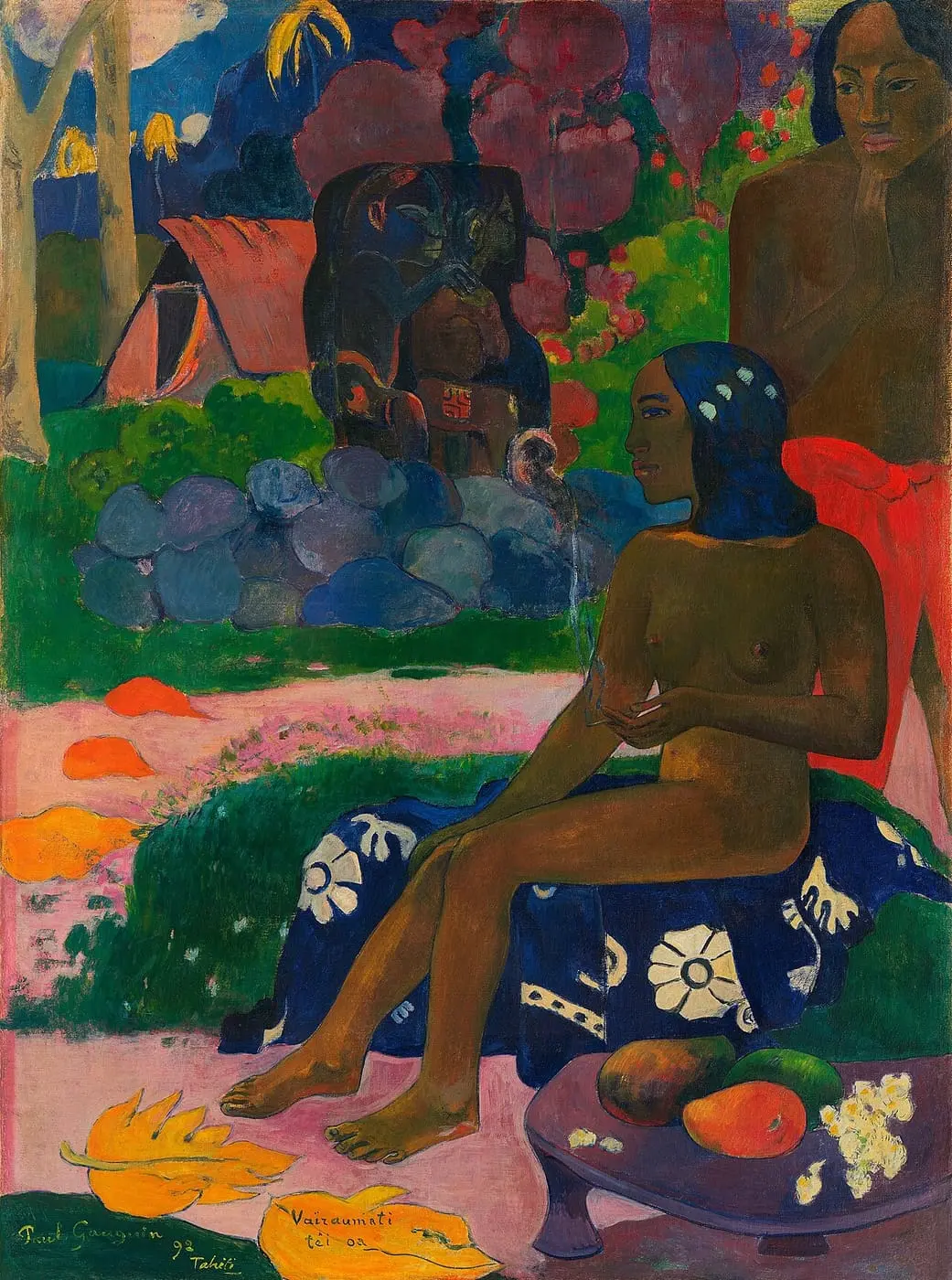
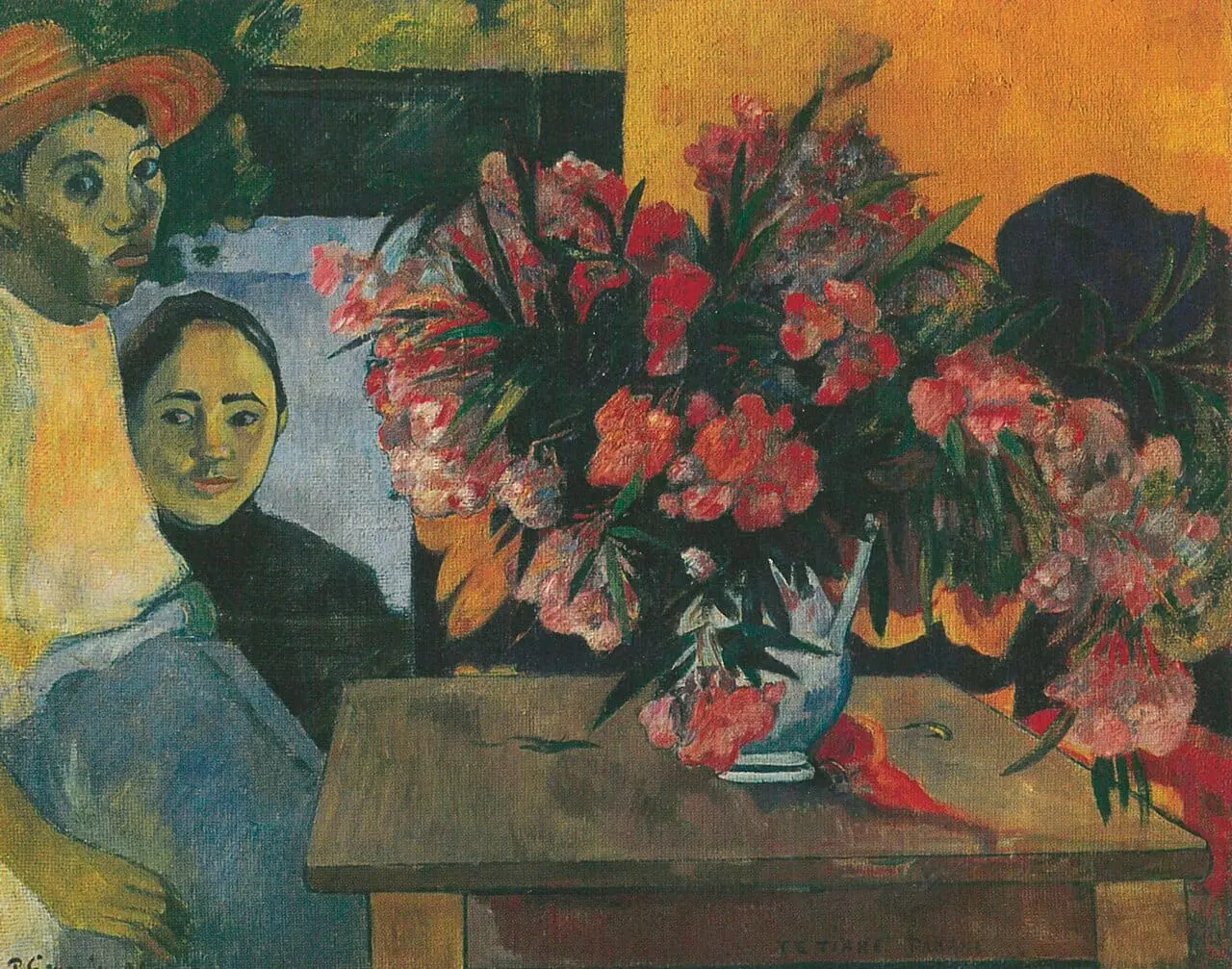
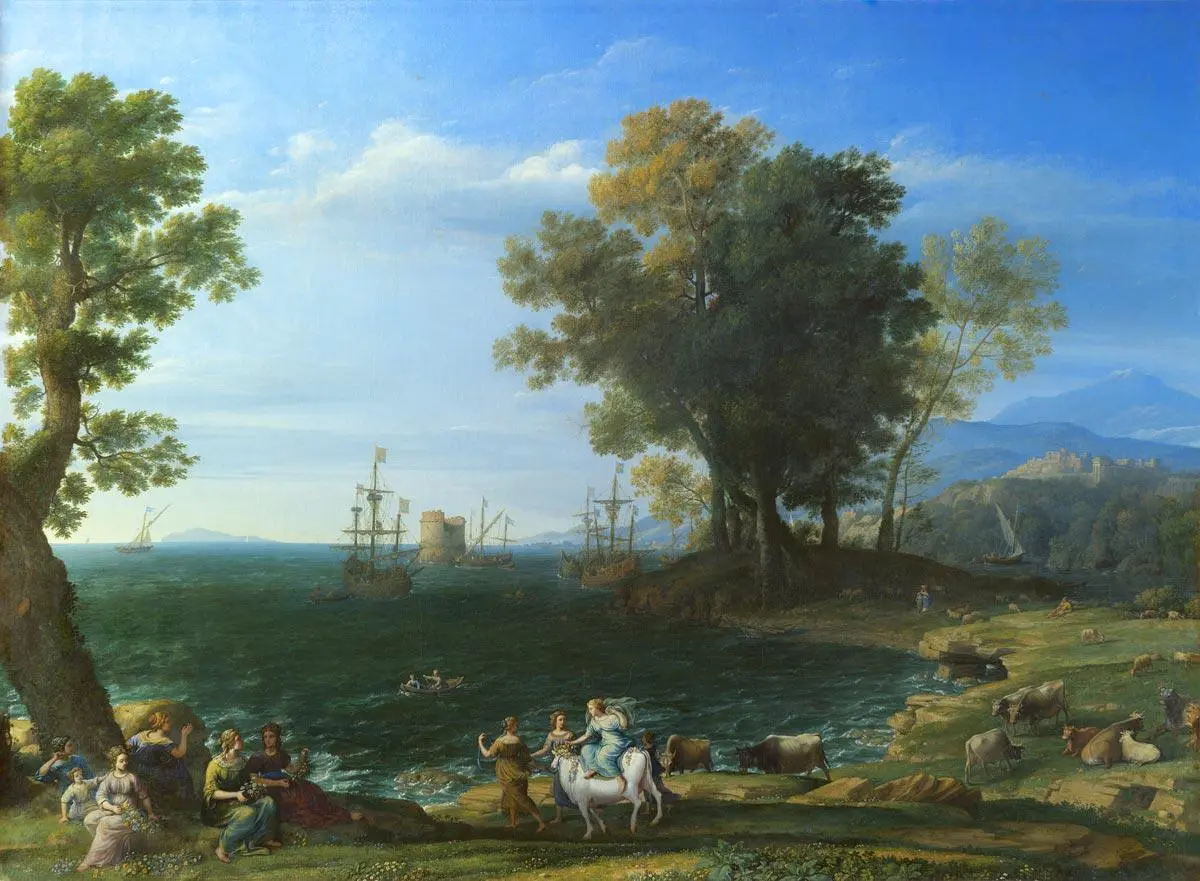
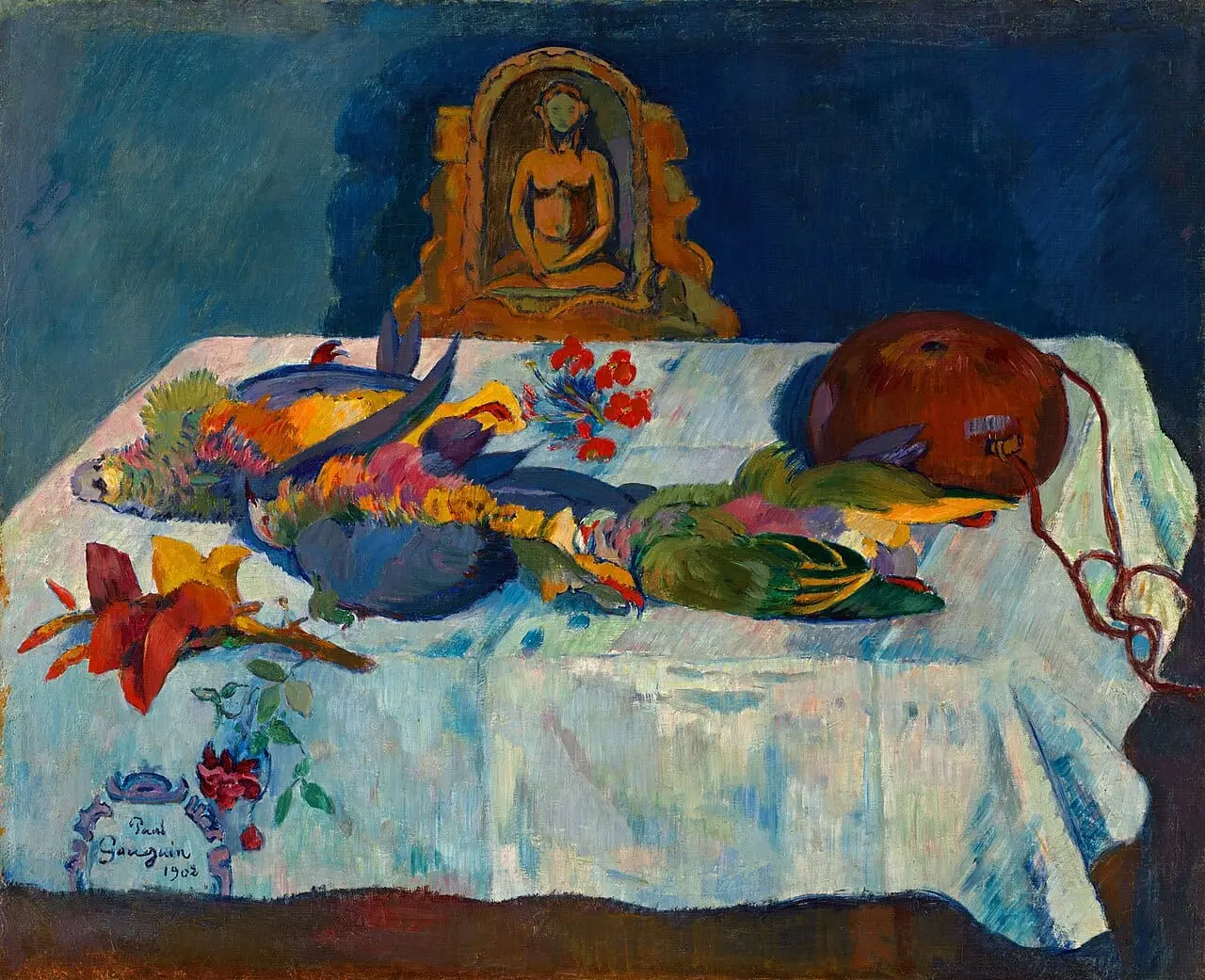
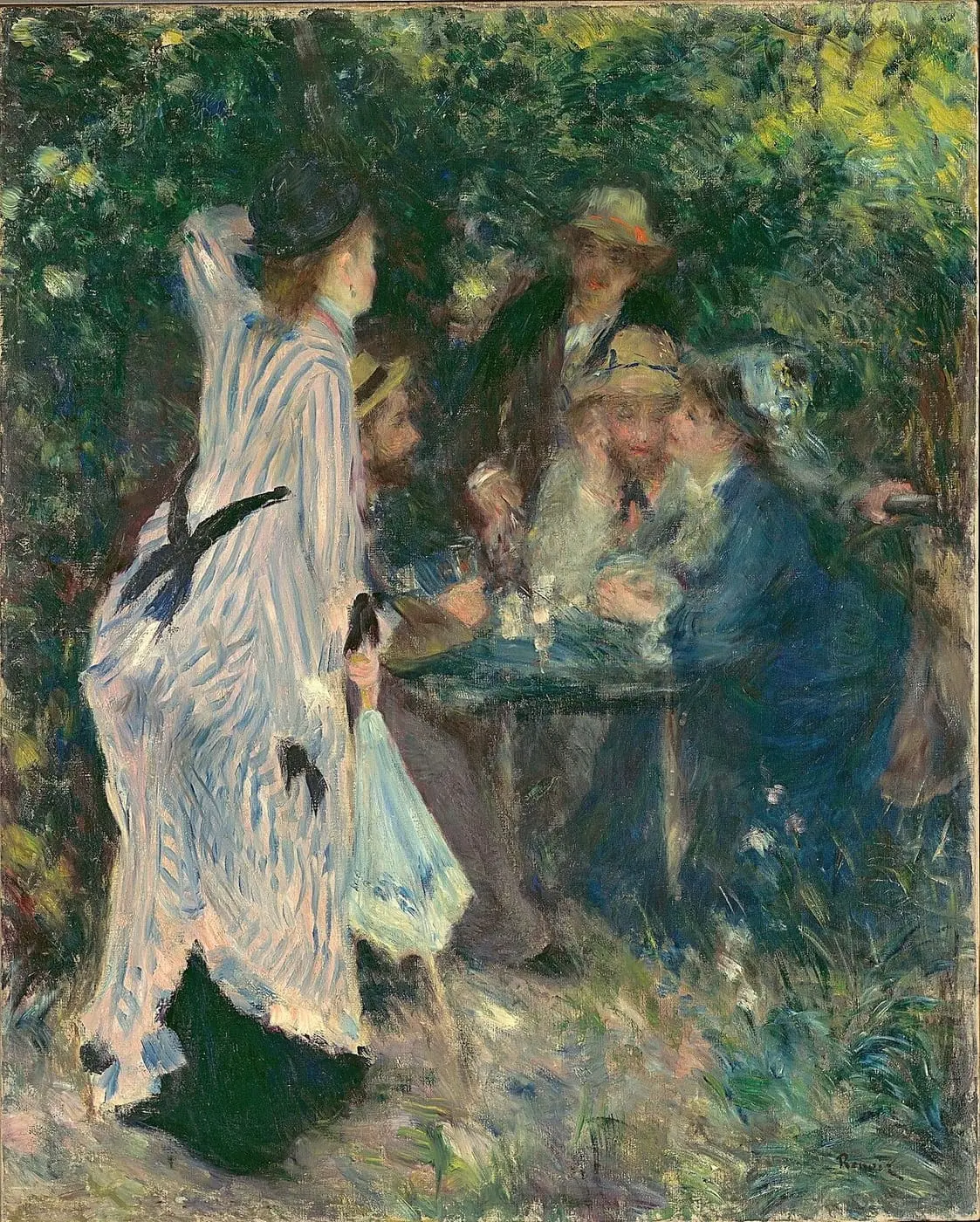
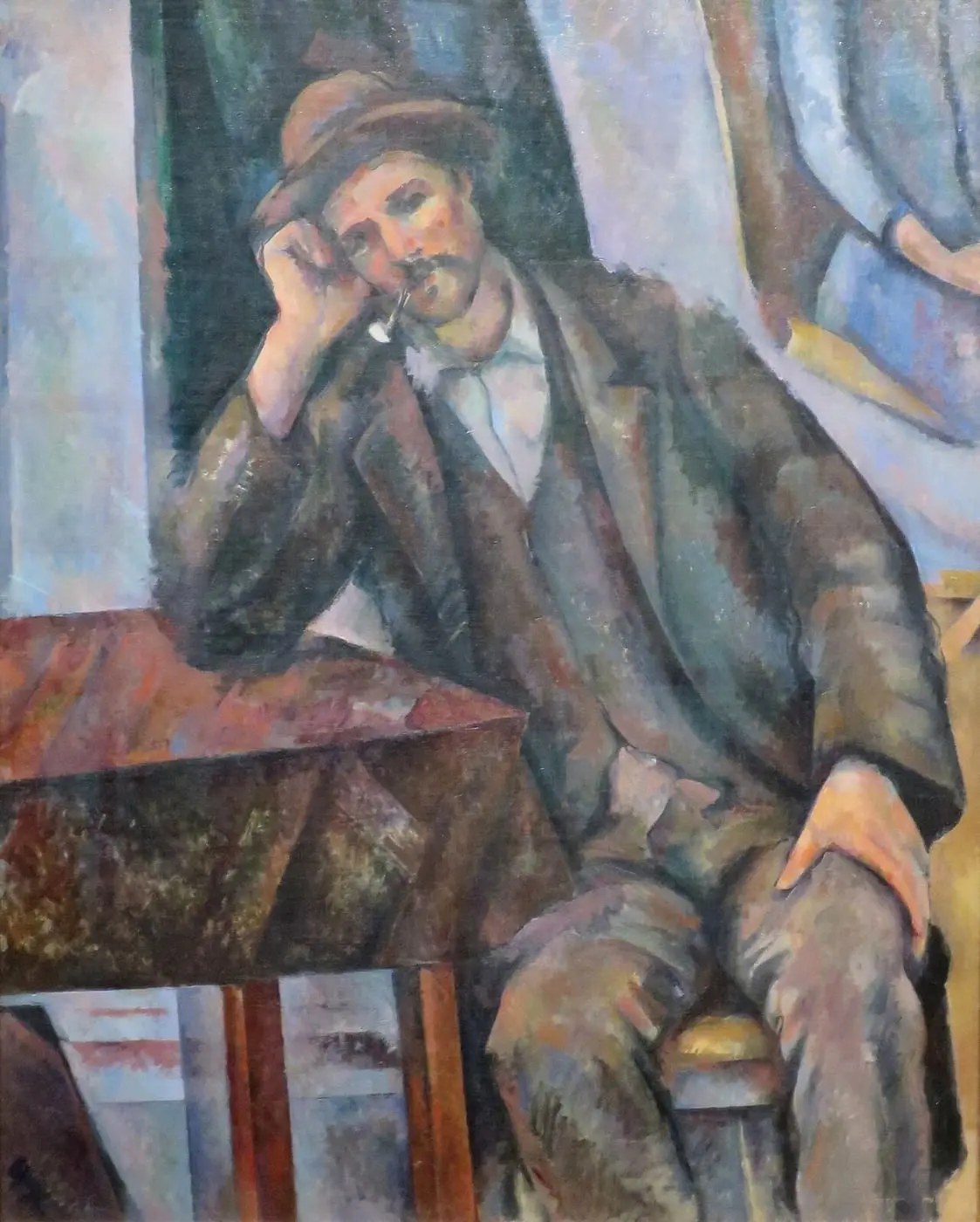
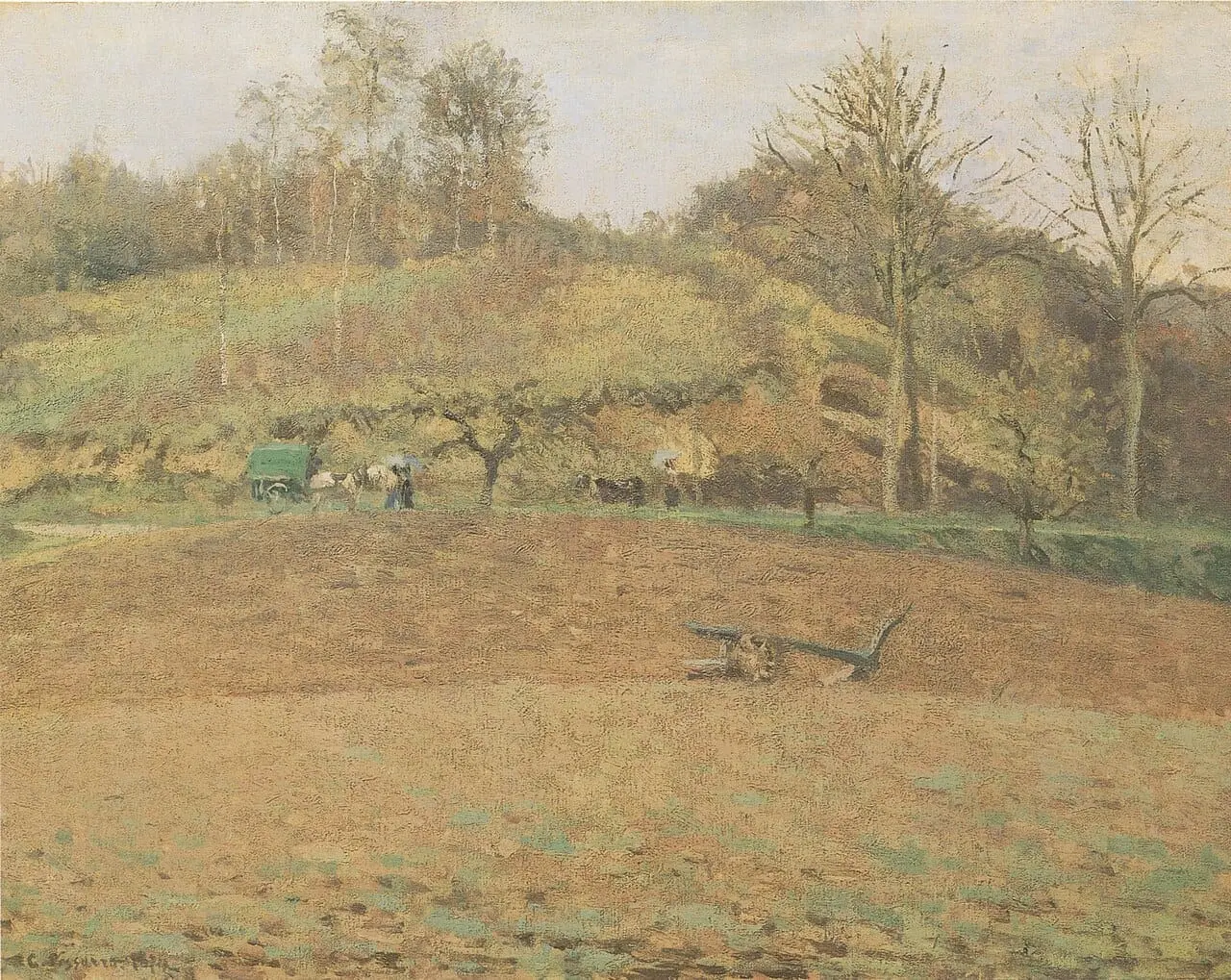
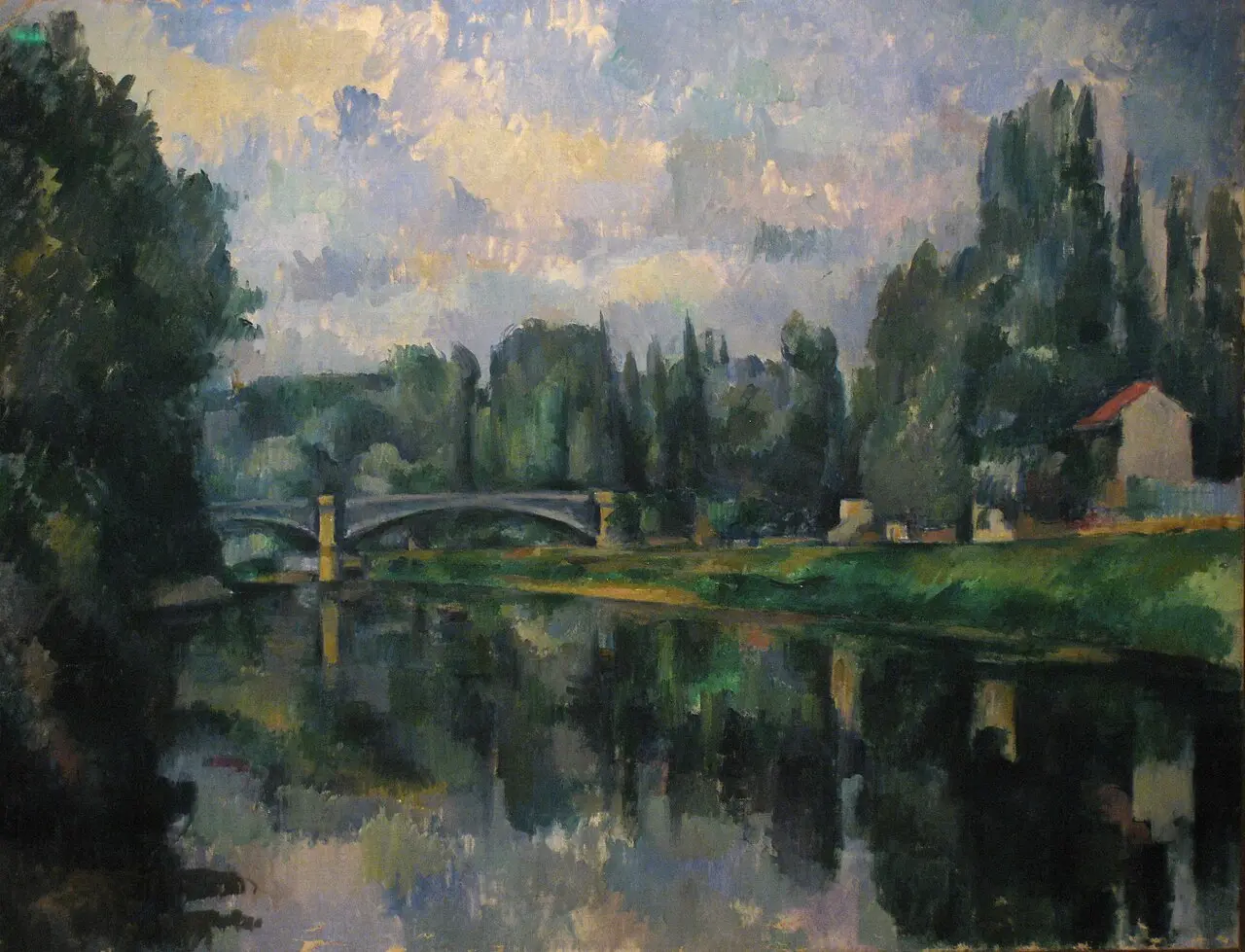
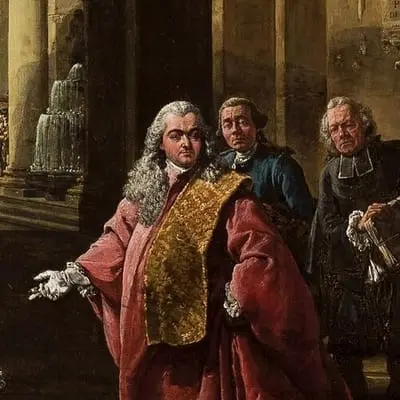
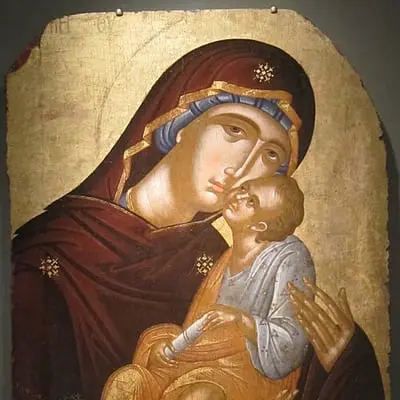
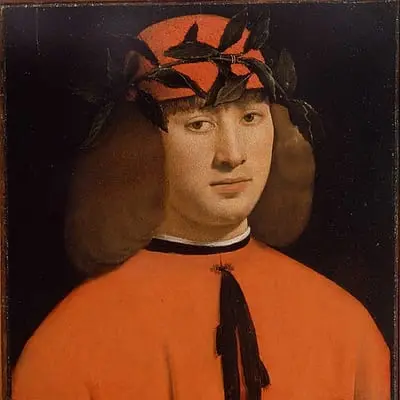
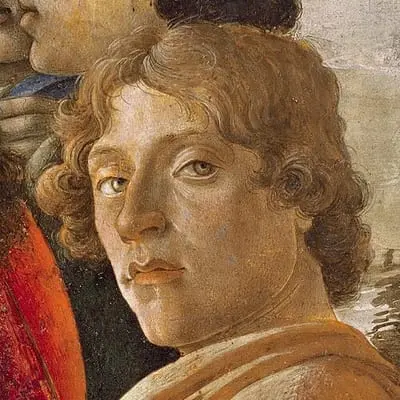
Its paintings range from Dutch and Italian old masters to a renowned French collection of Impressionist and Post-Impressionist works, partly from the collections of Shchukin and Morozov.
The collection
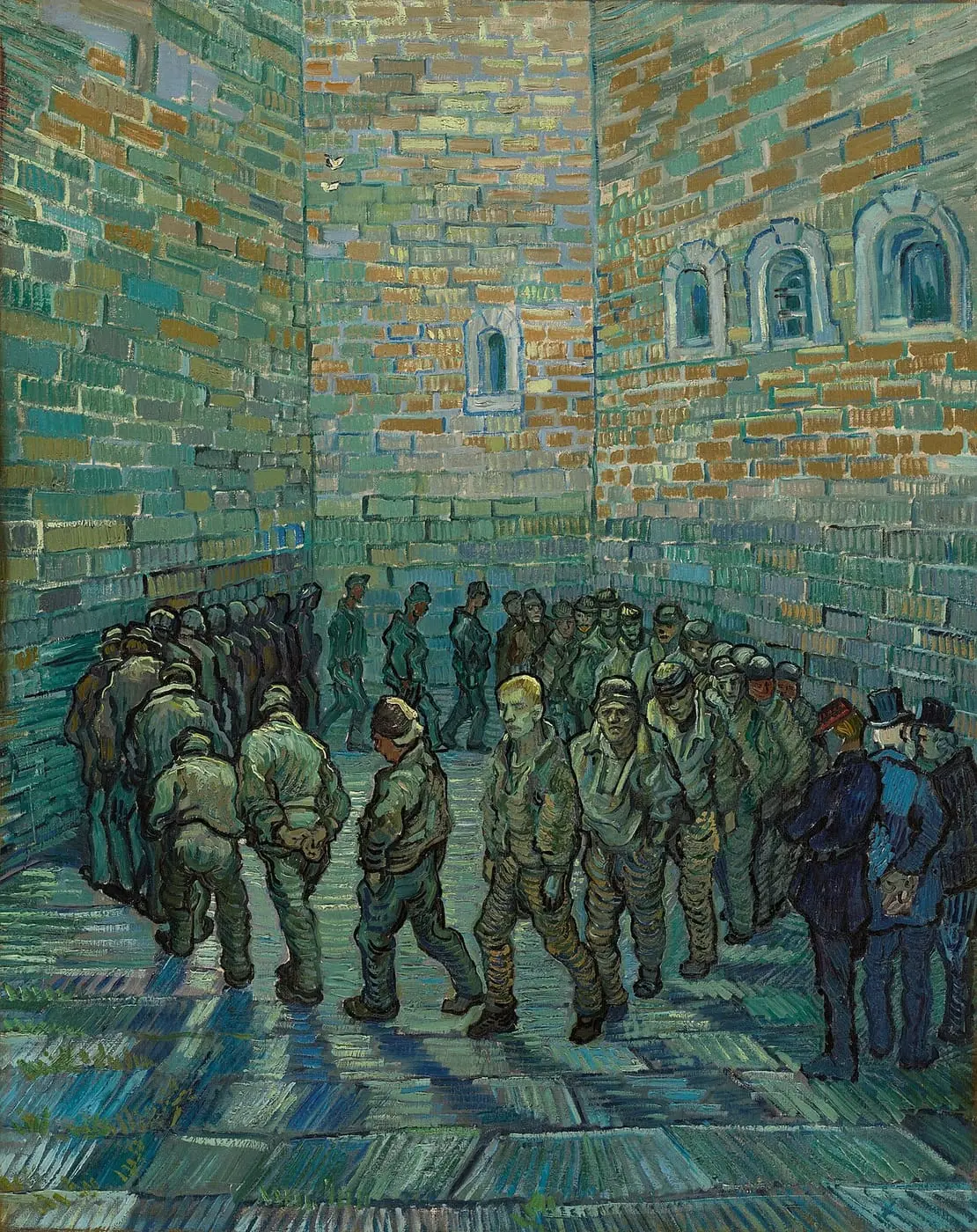
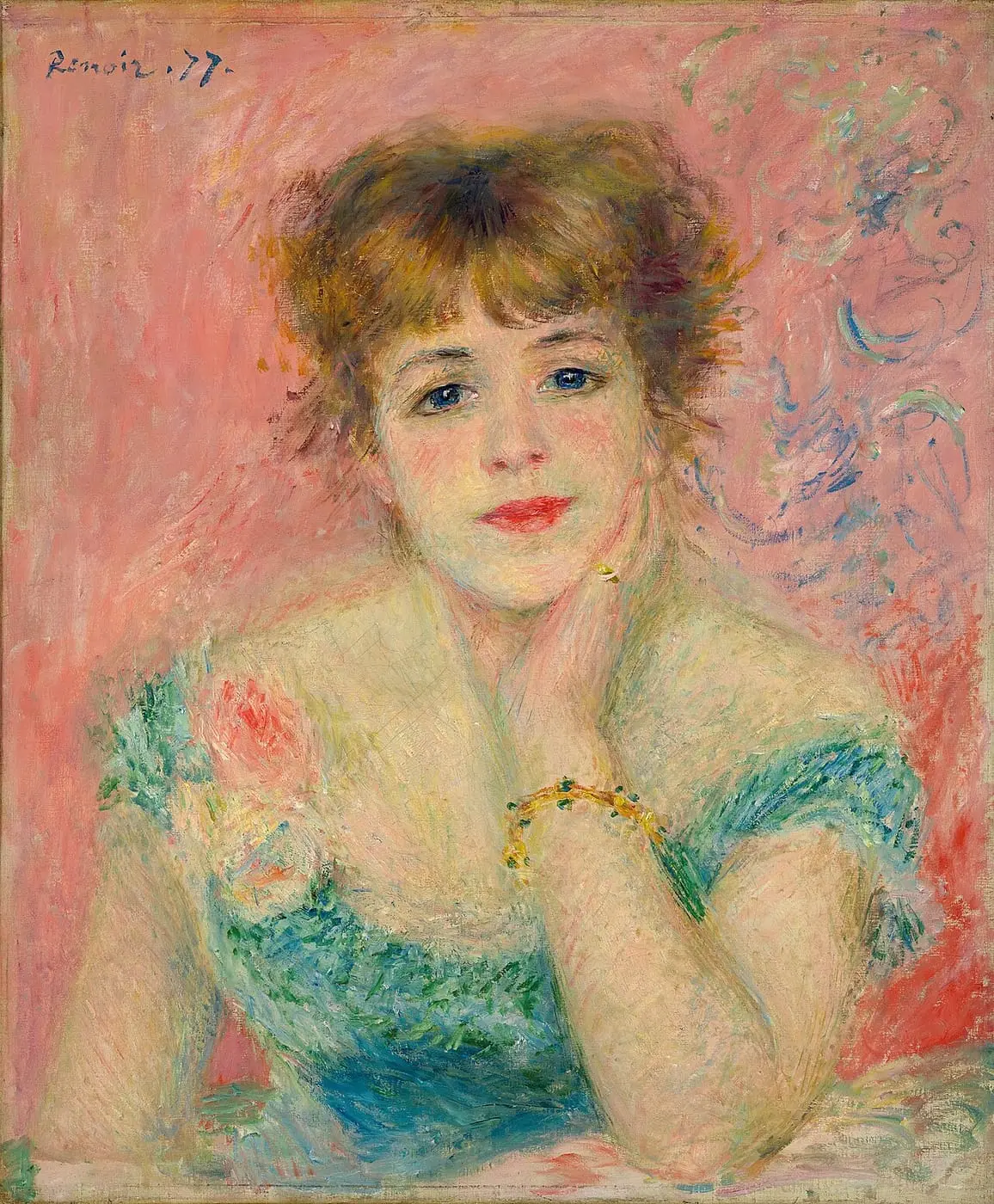
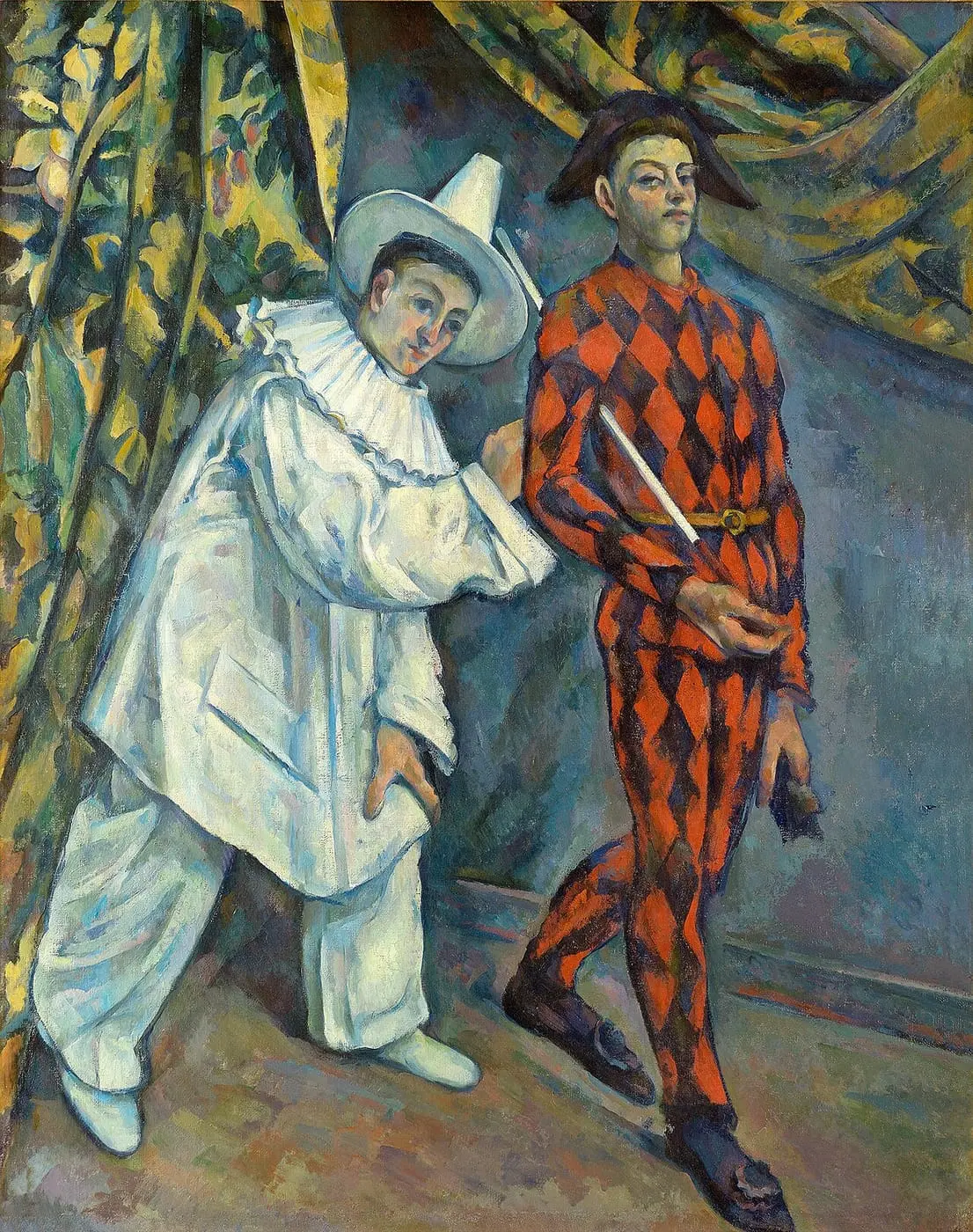
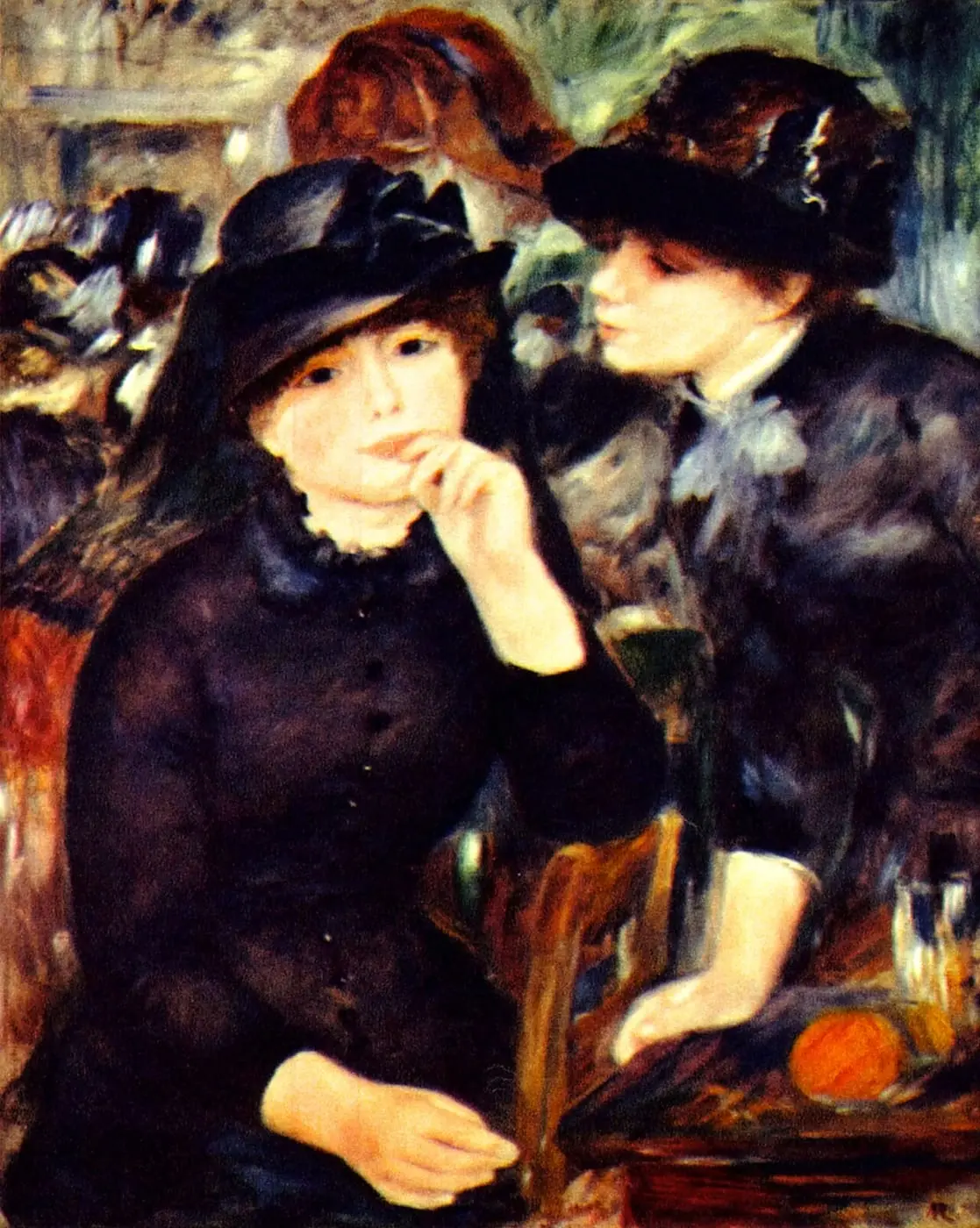
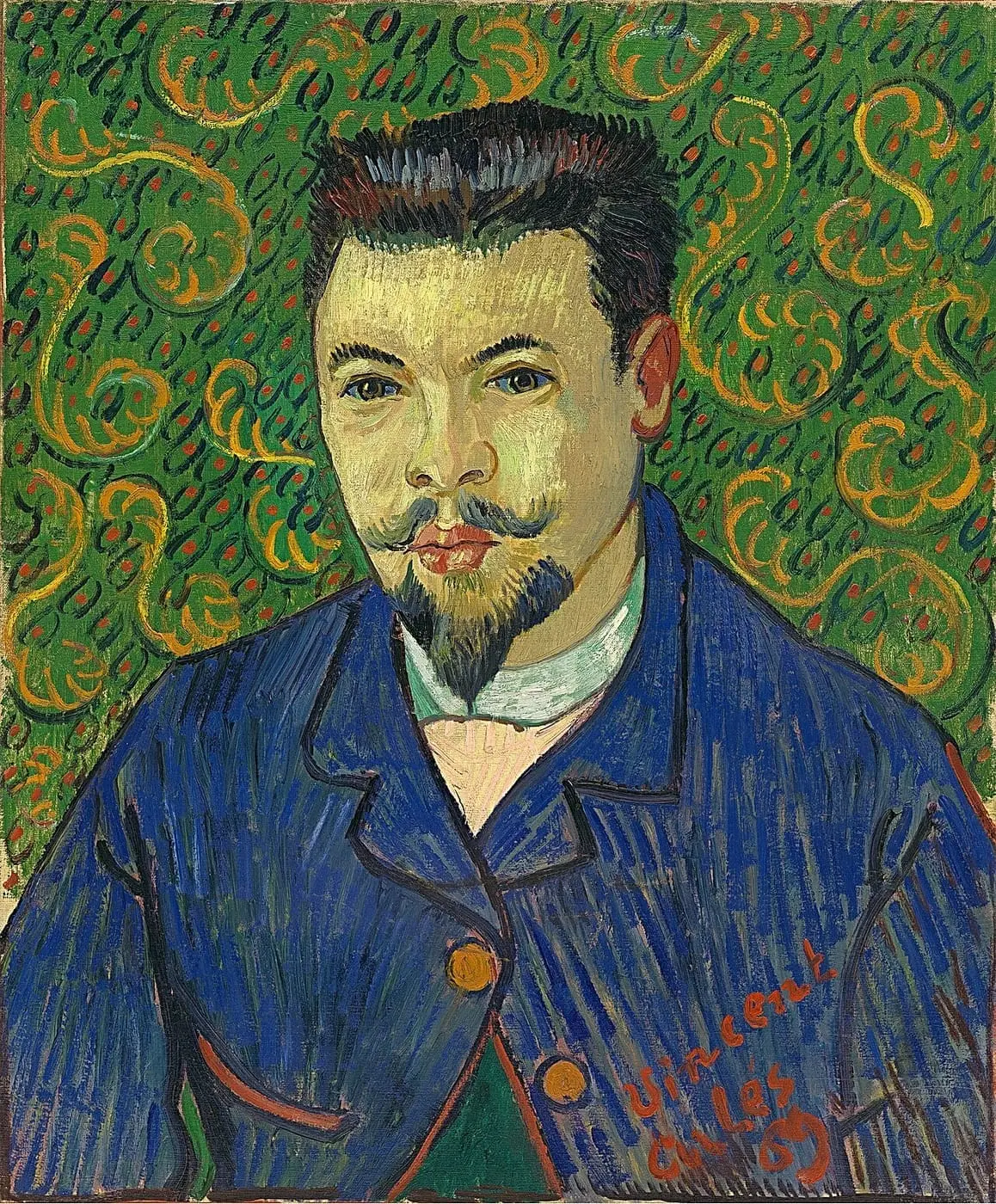
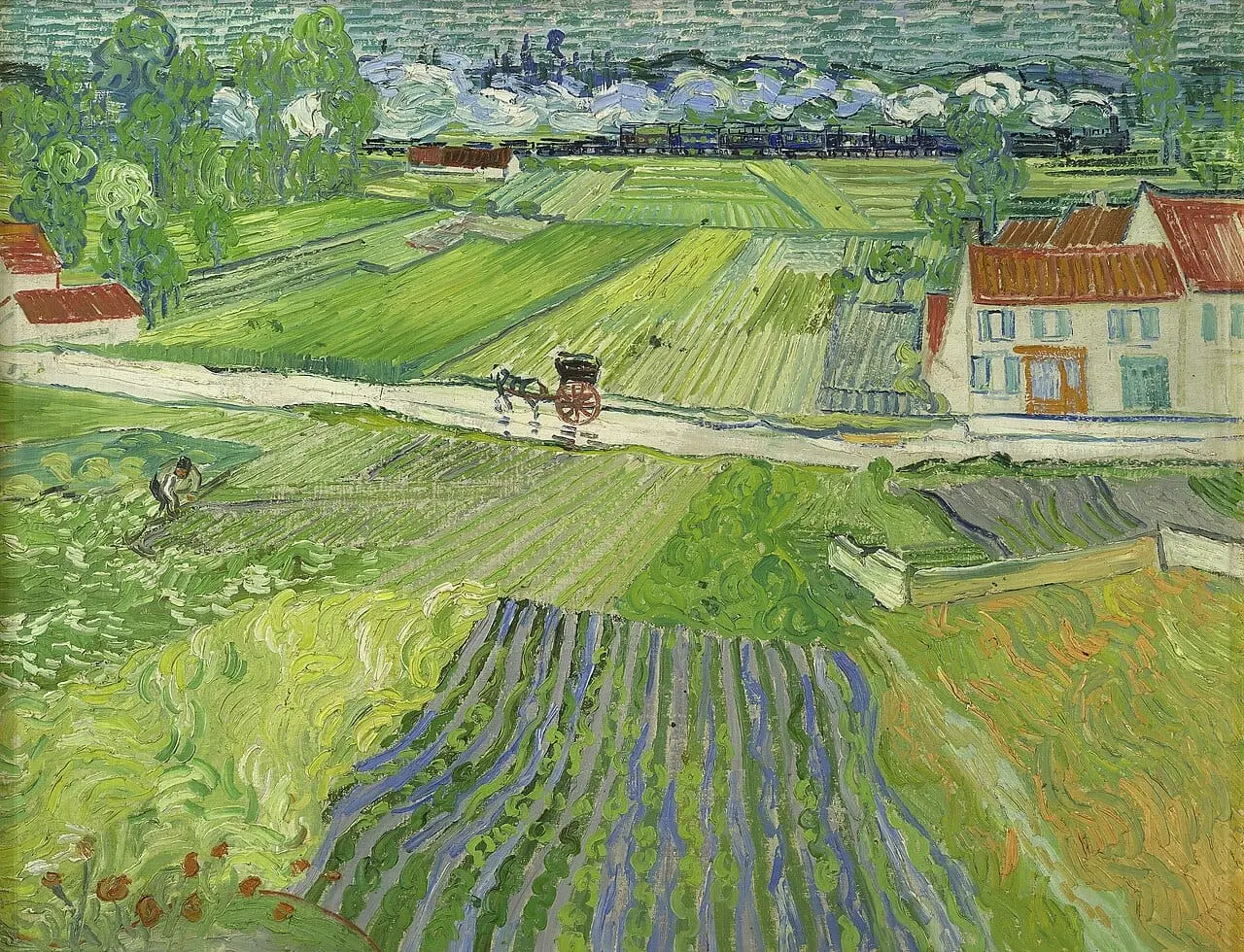
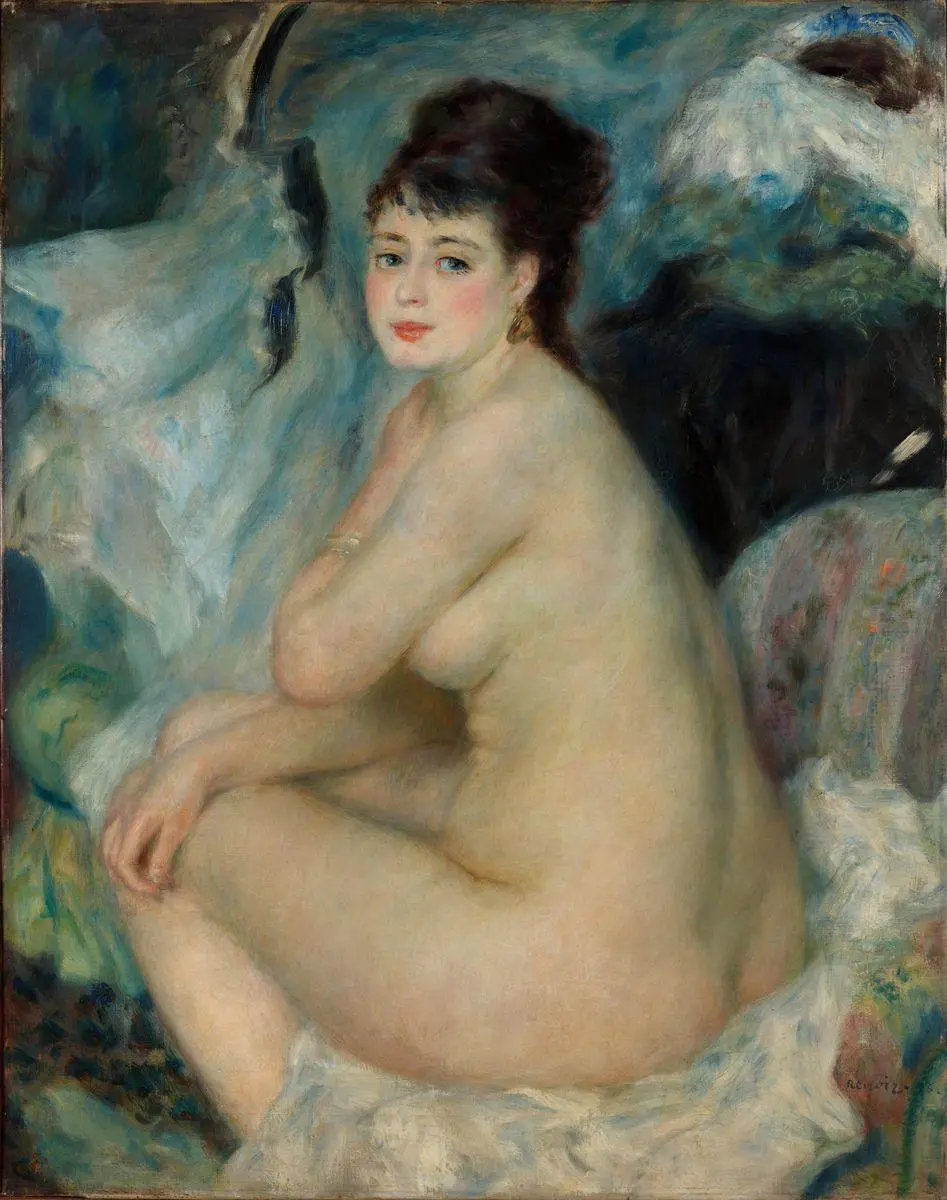
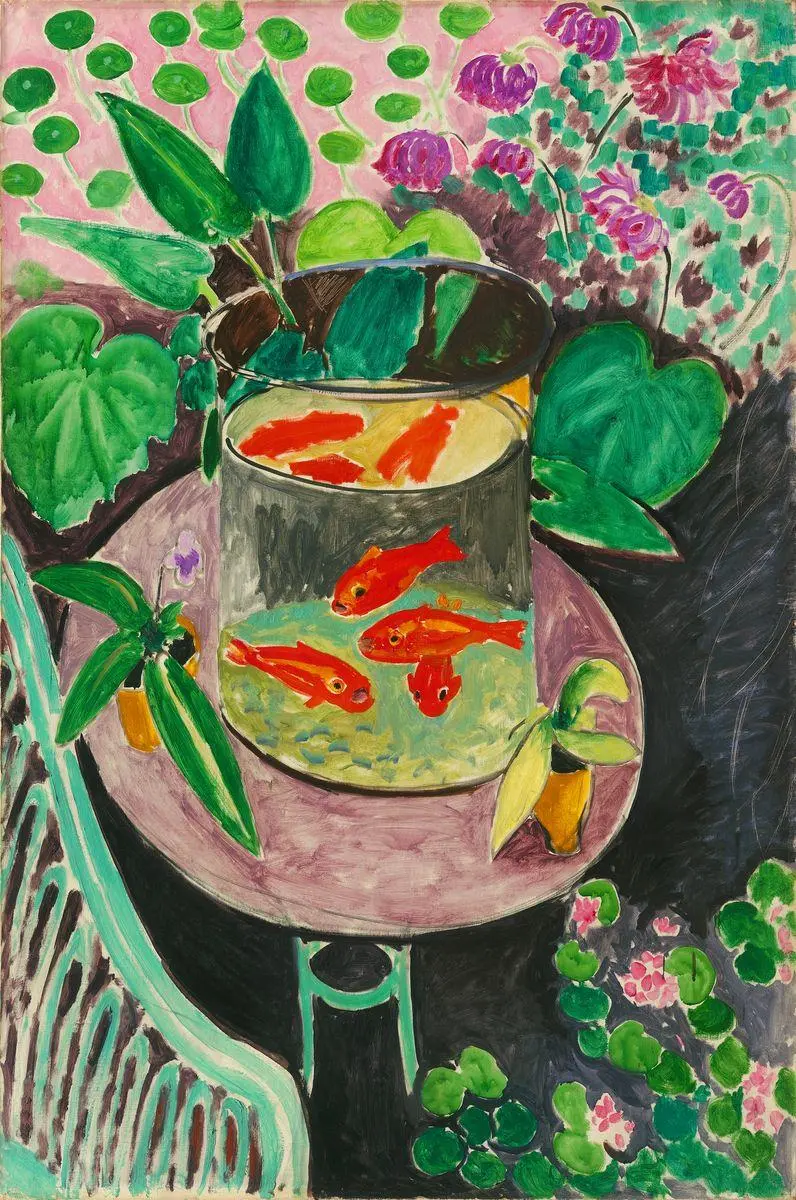
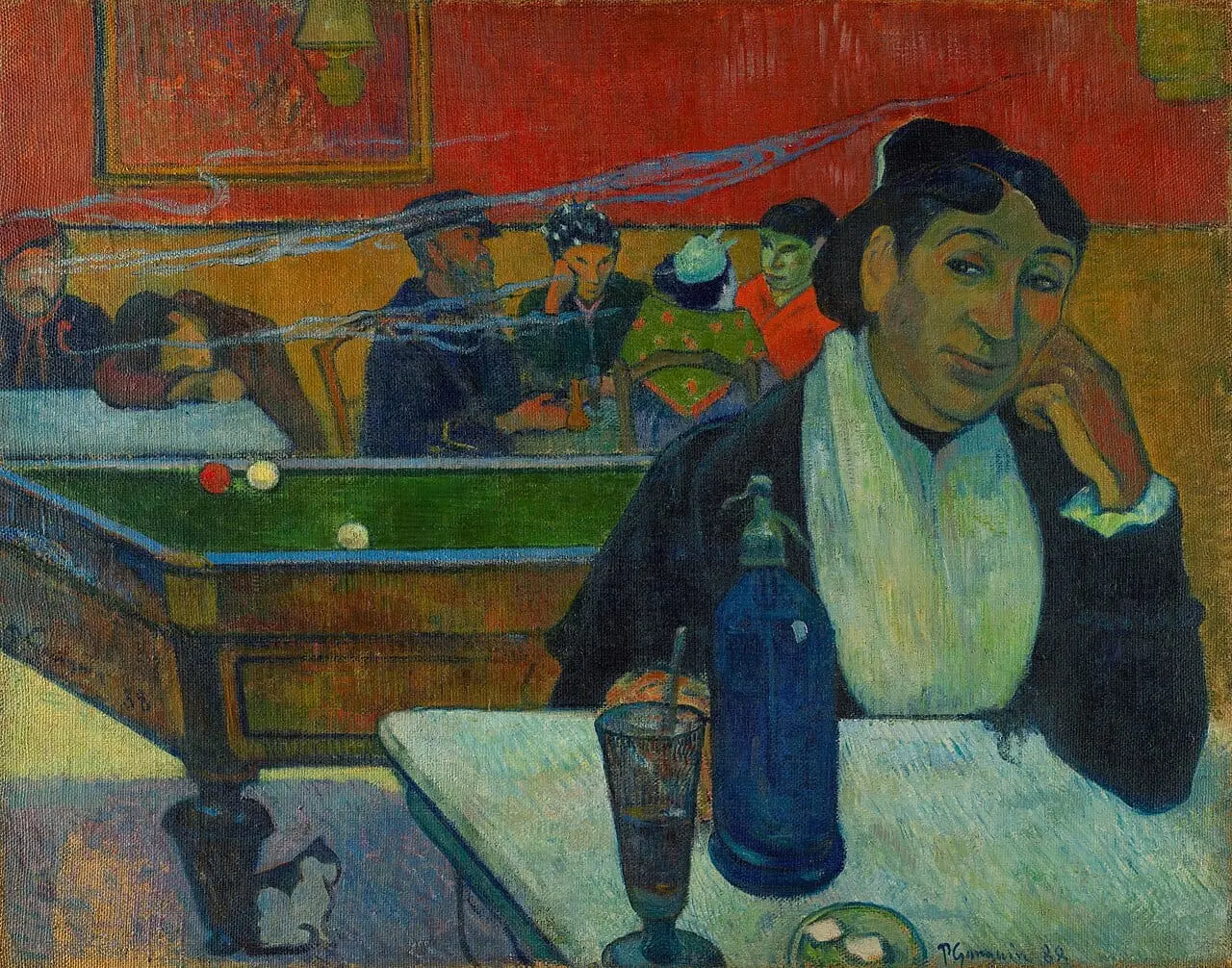
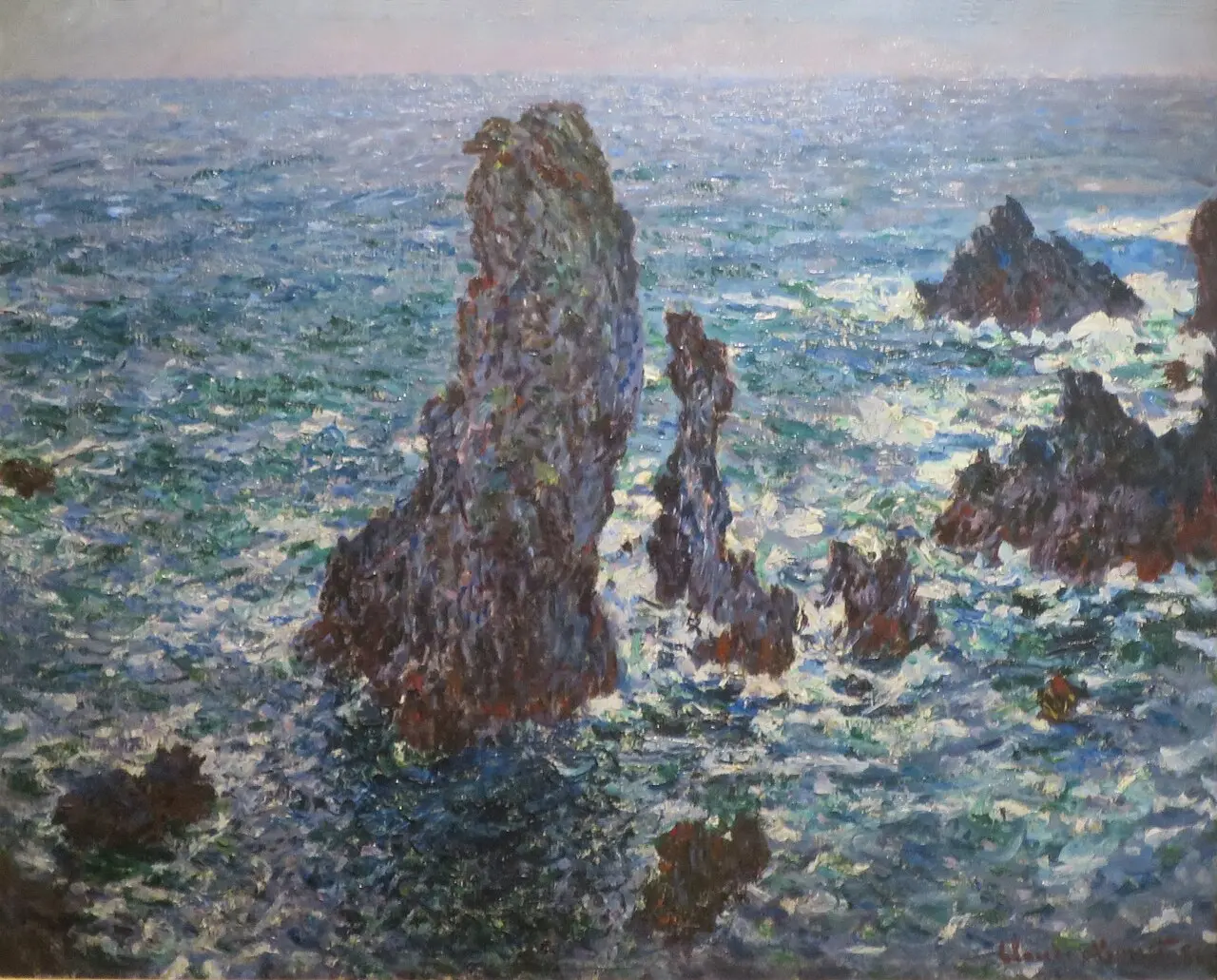
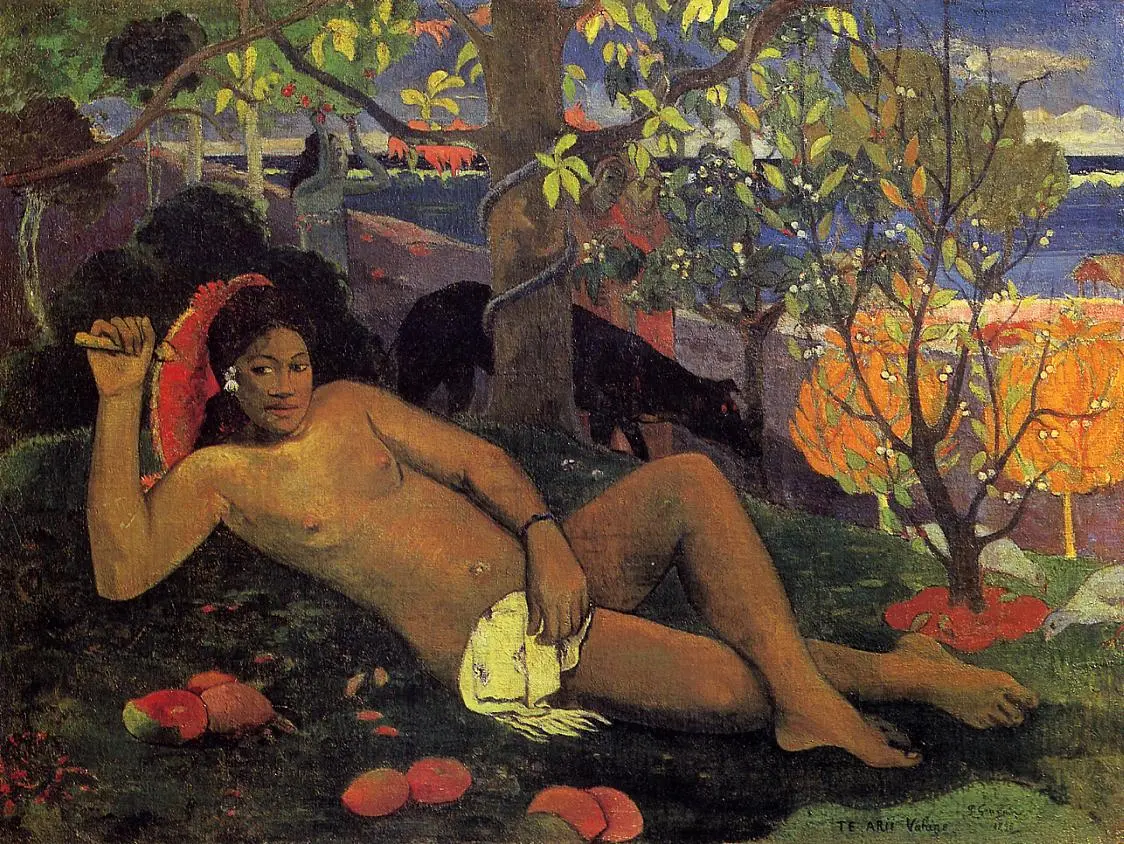
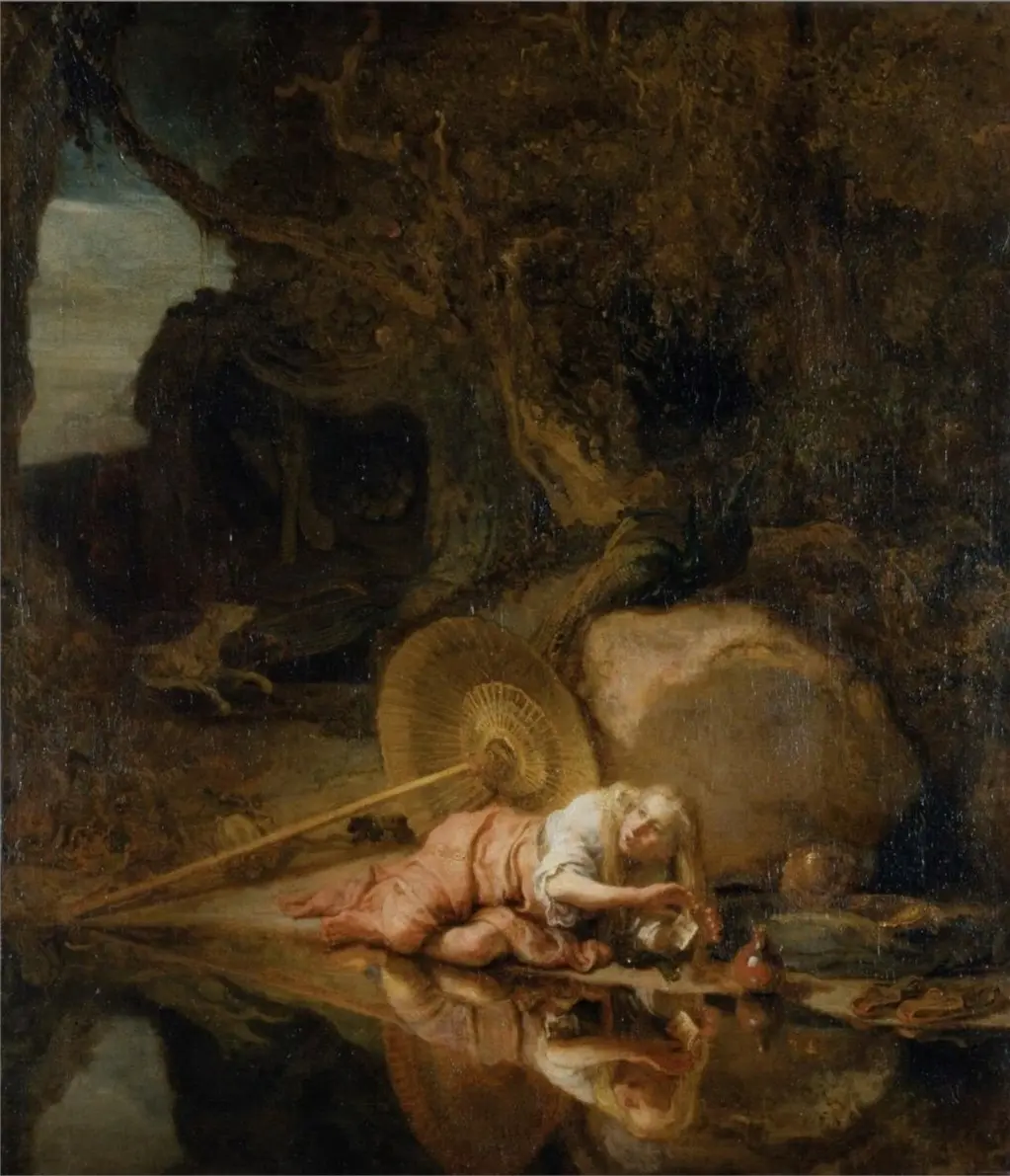
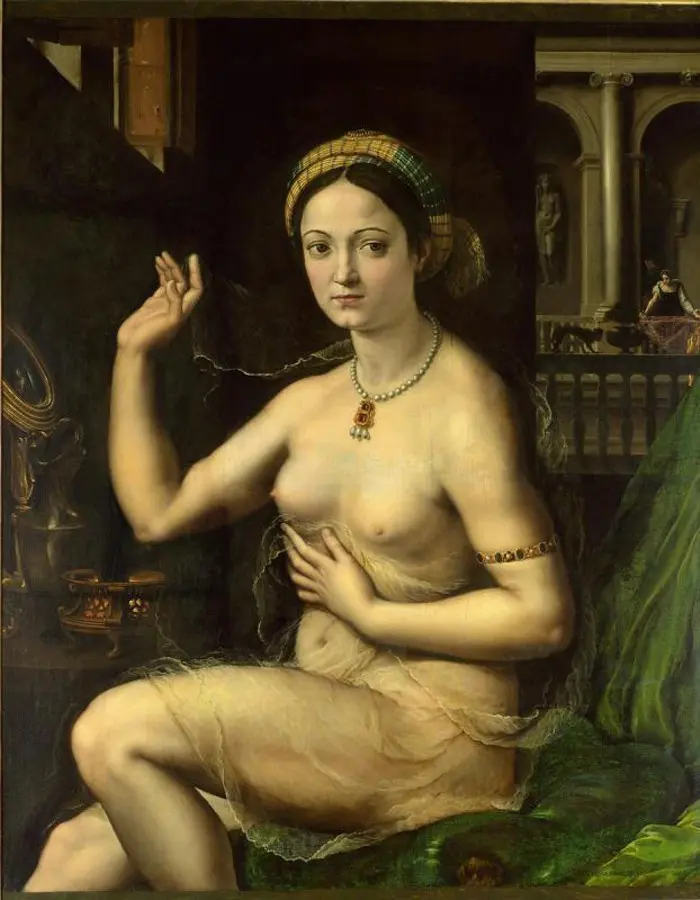
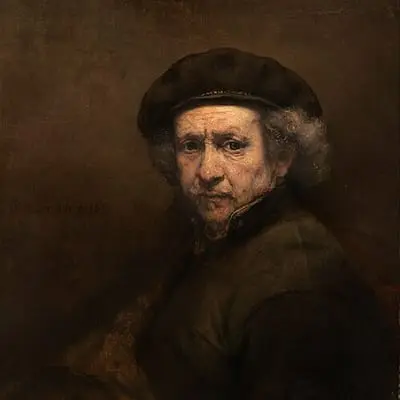
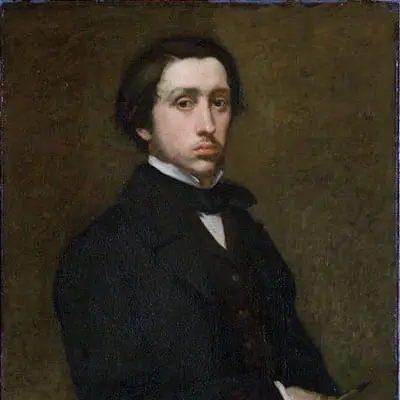
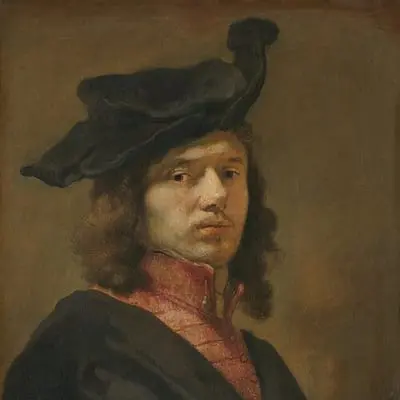
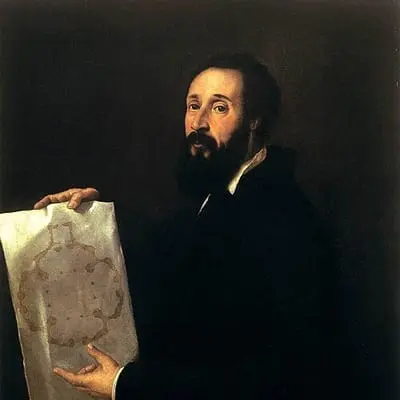
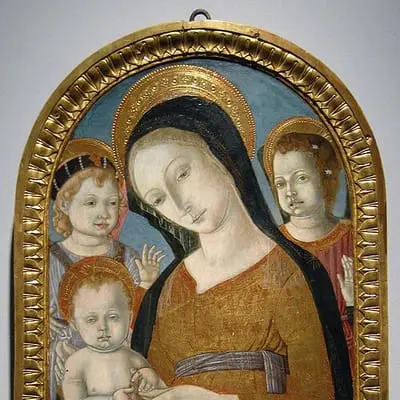
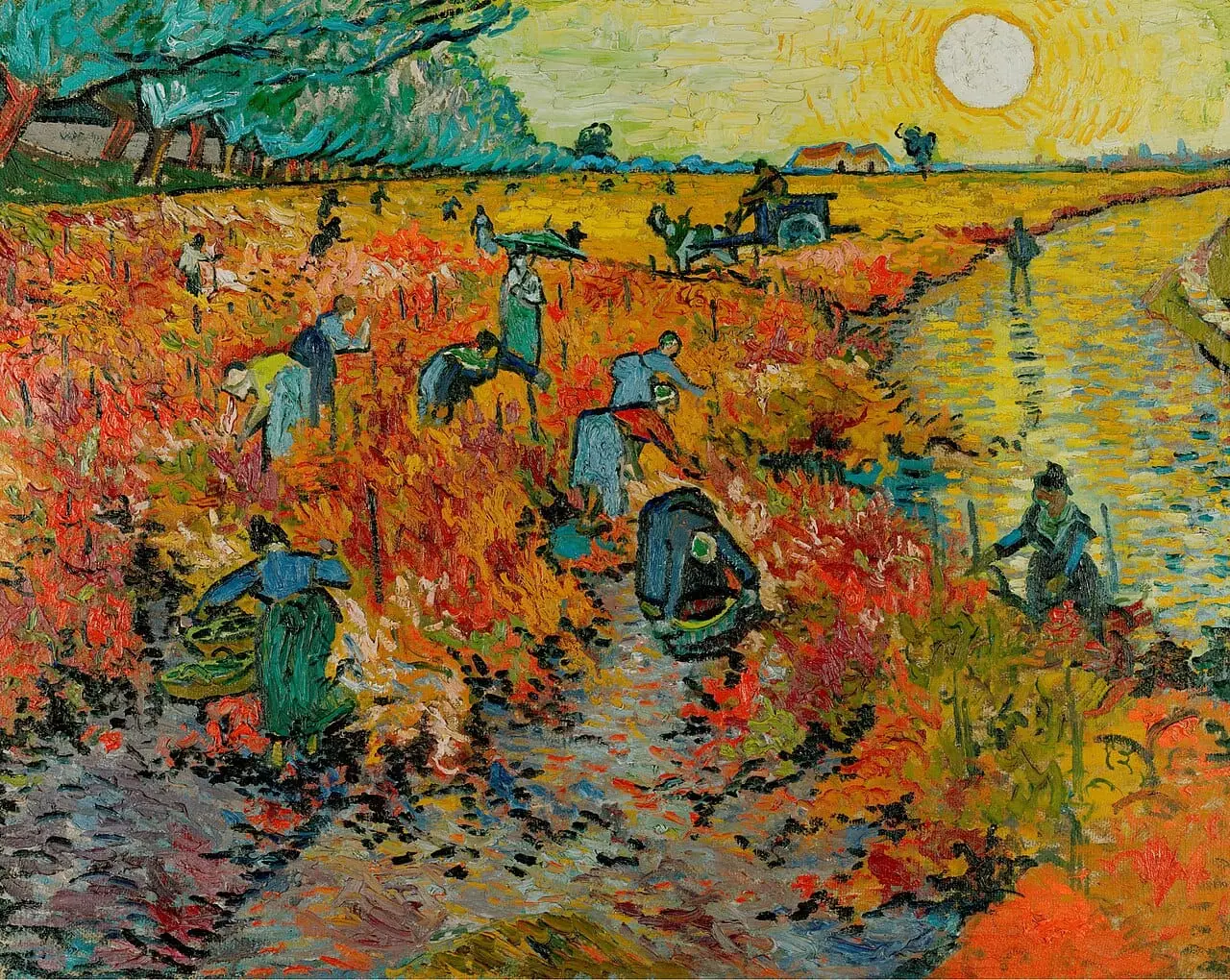
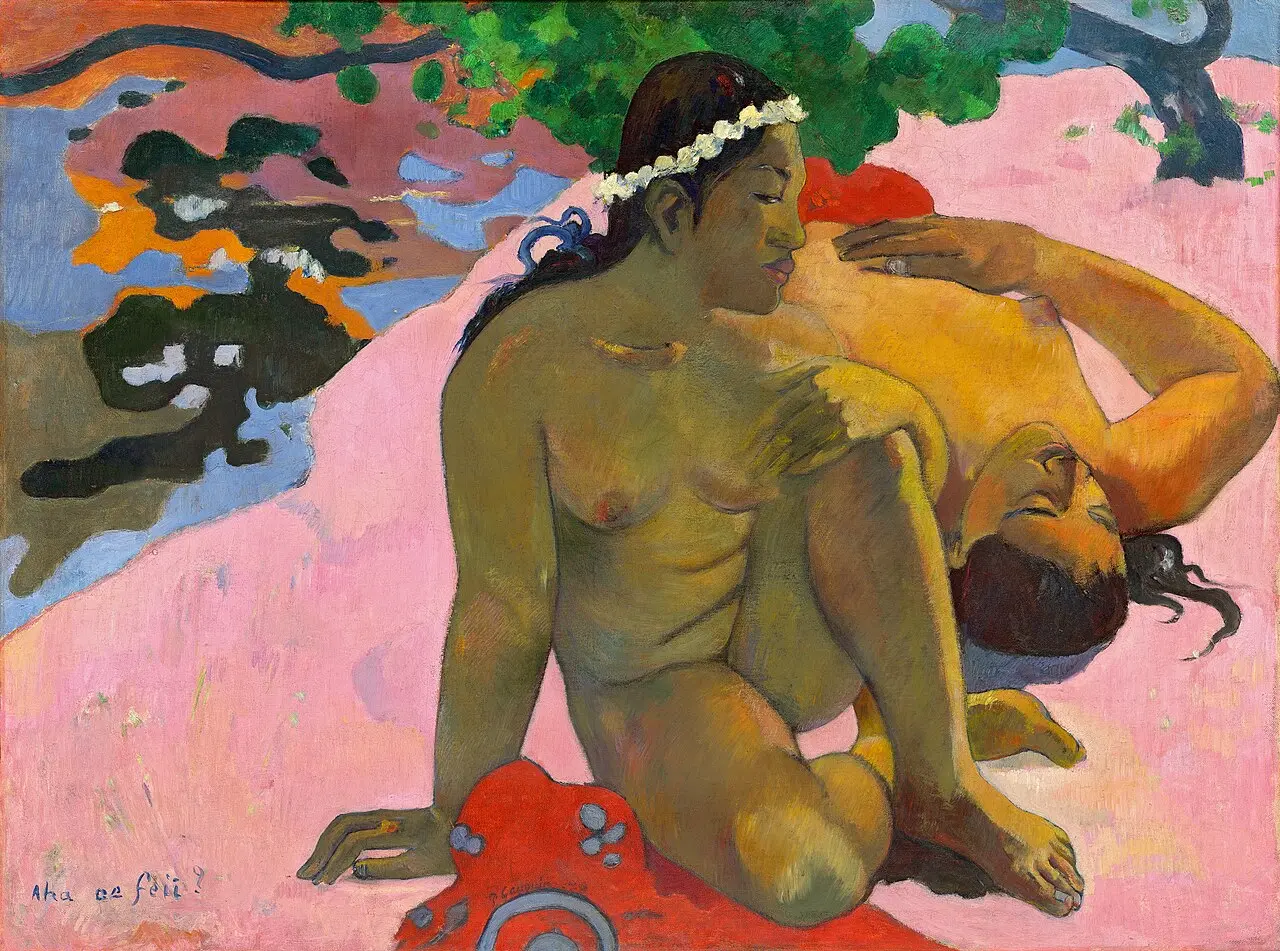
The Pushkin's old master galleries include Egyptian antiquities, Italian Renaissance painting and Dutch masters such as Rembrandt. In the 1940s it received part of the confiscated collections of Sergei Shchukin and Ivan Morozov, the great Moscow collectors of modern French art.
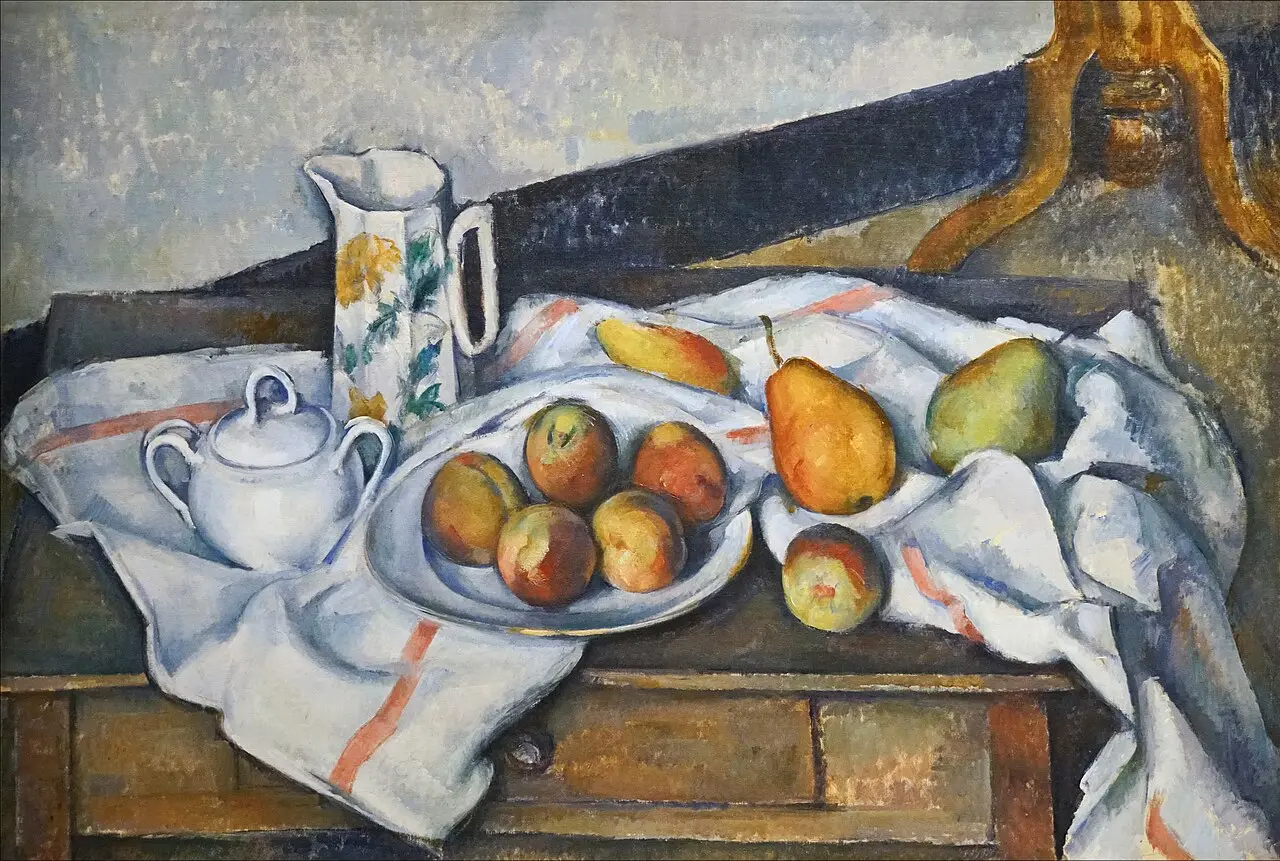
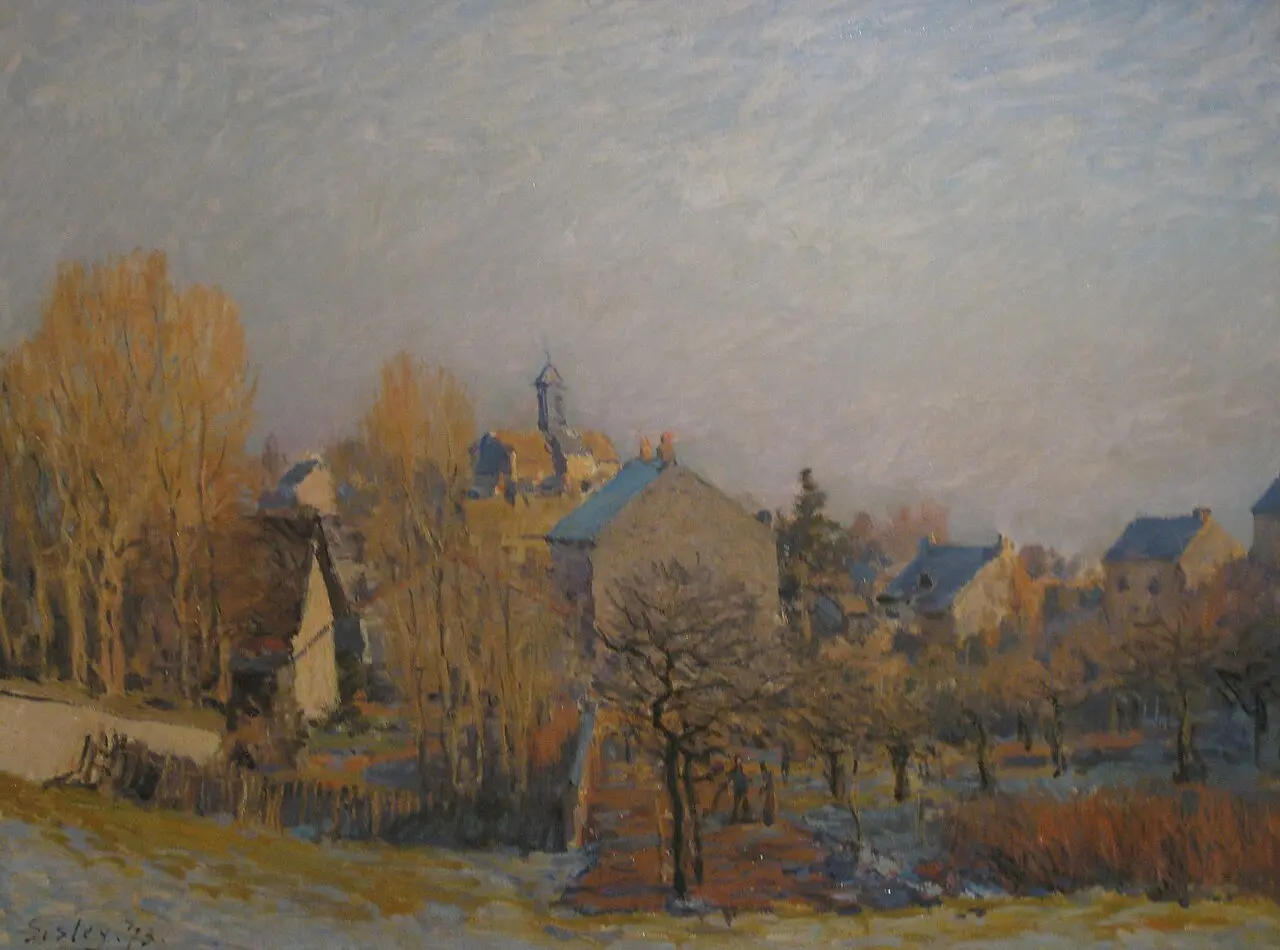
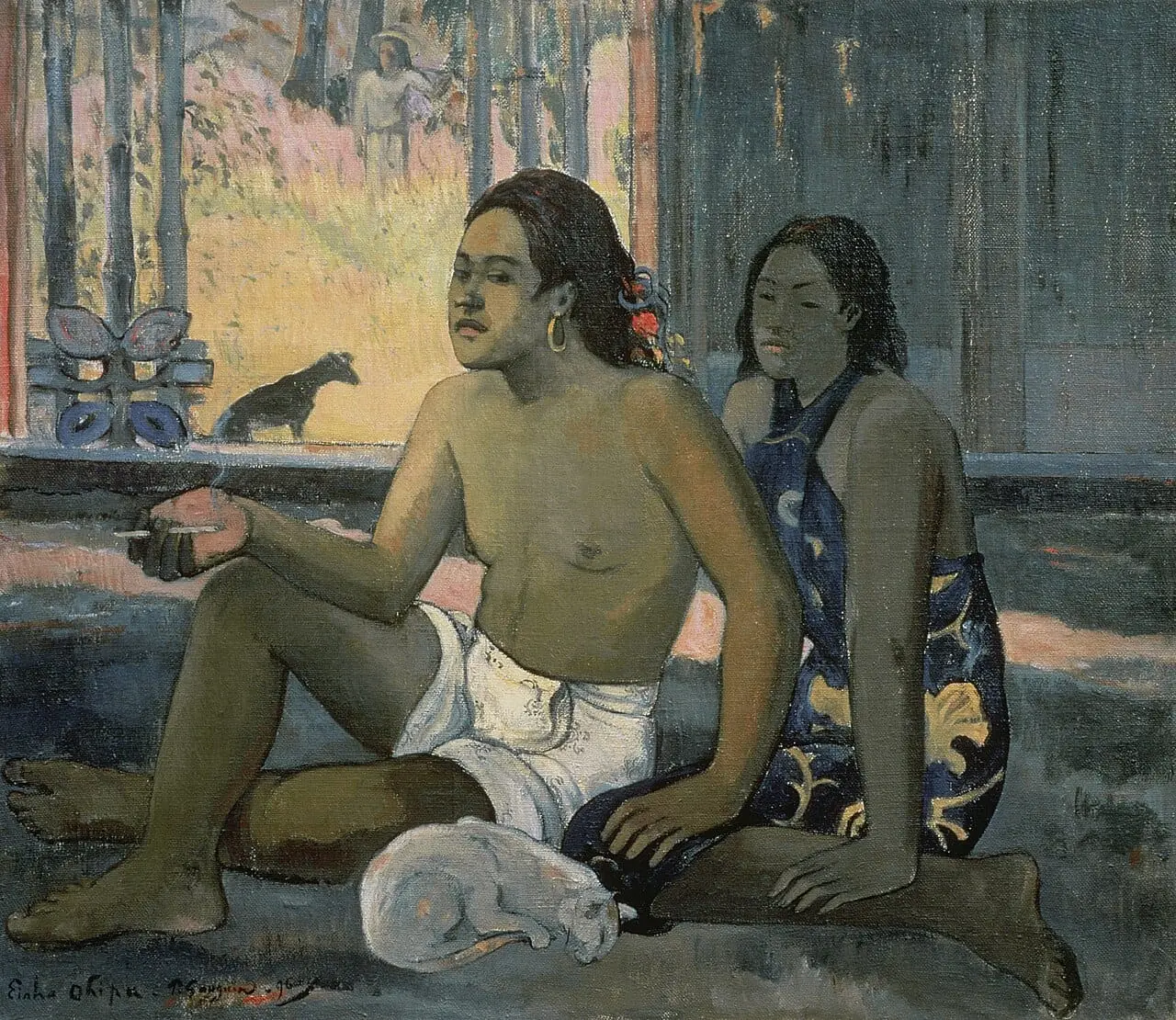
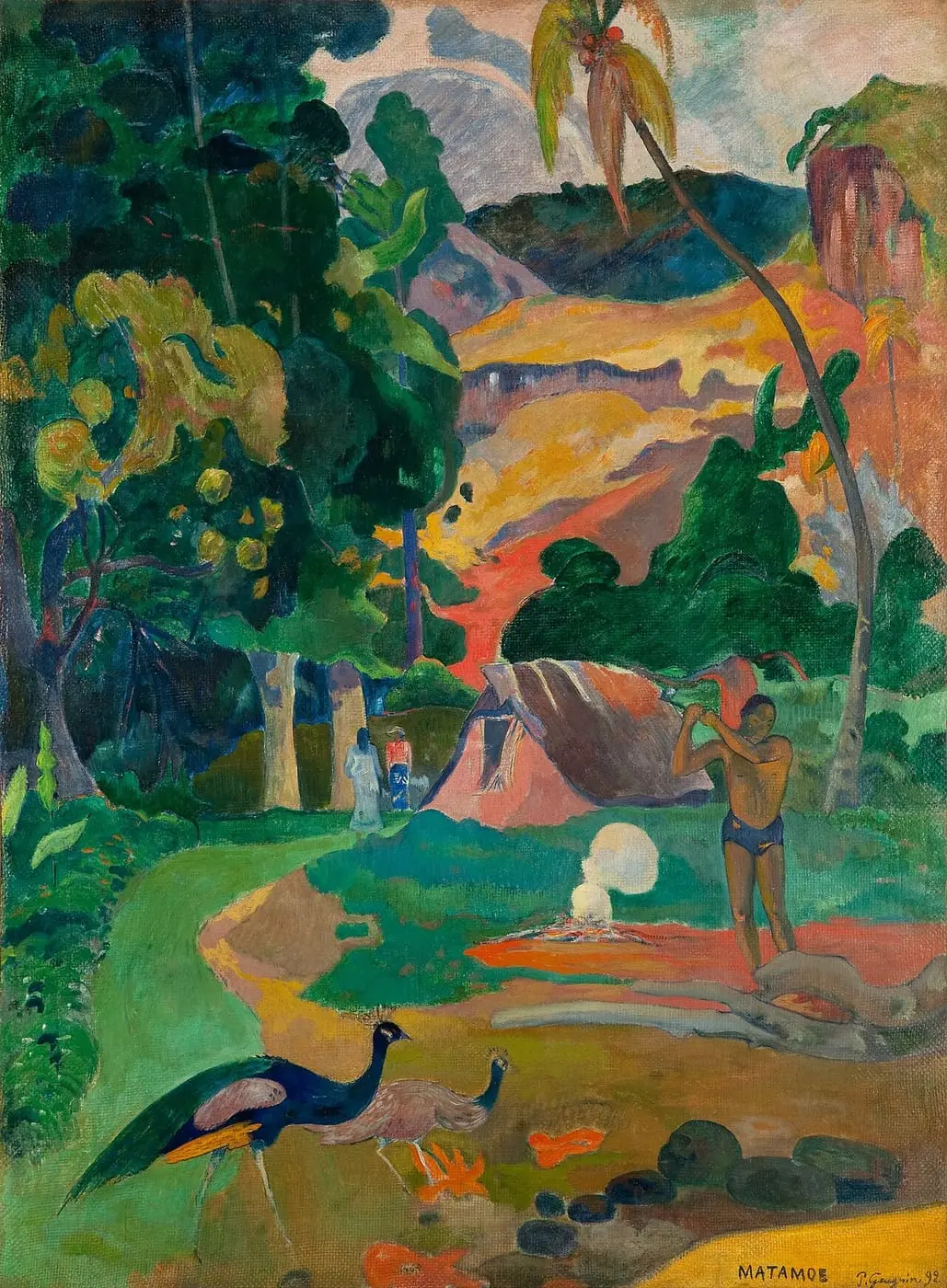
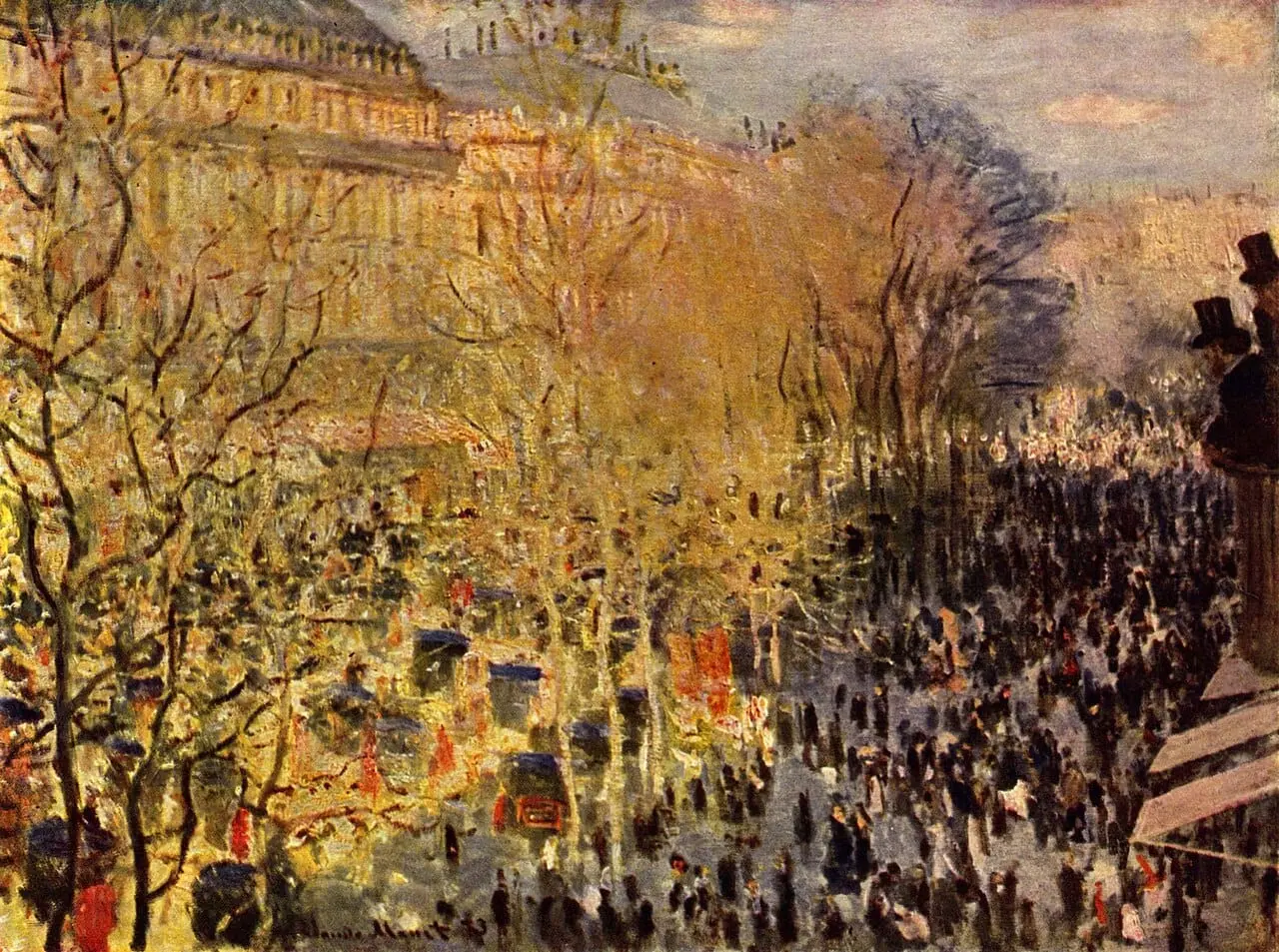
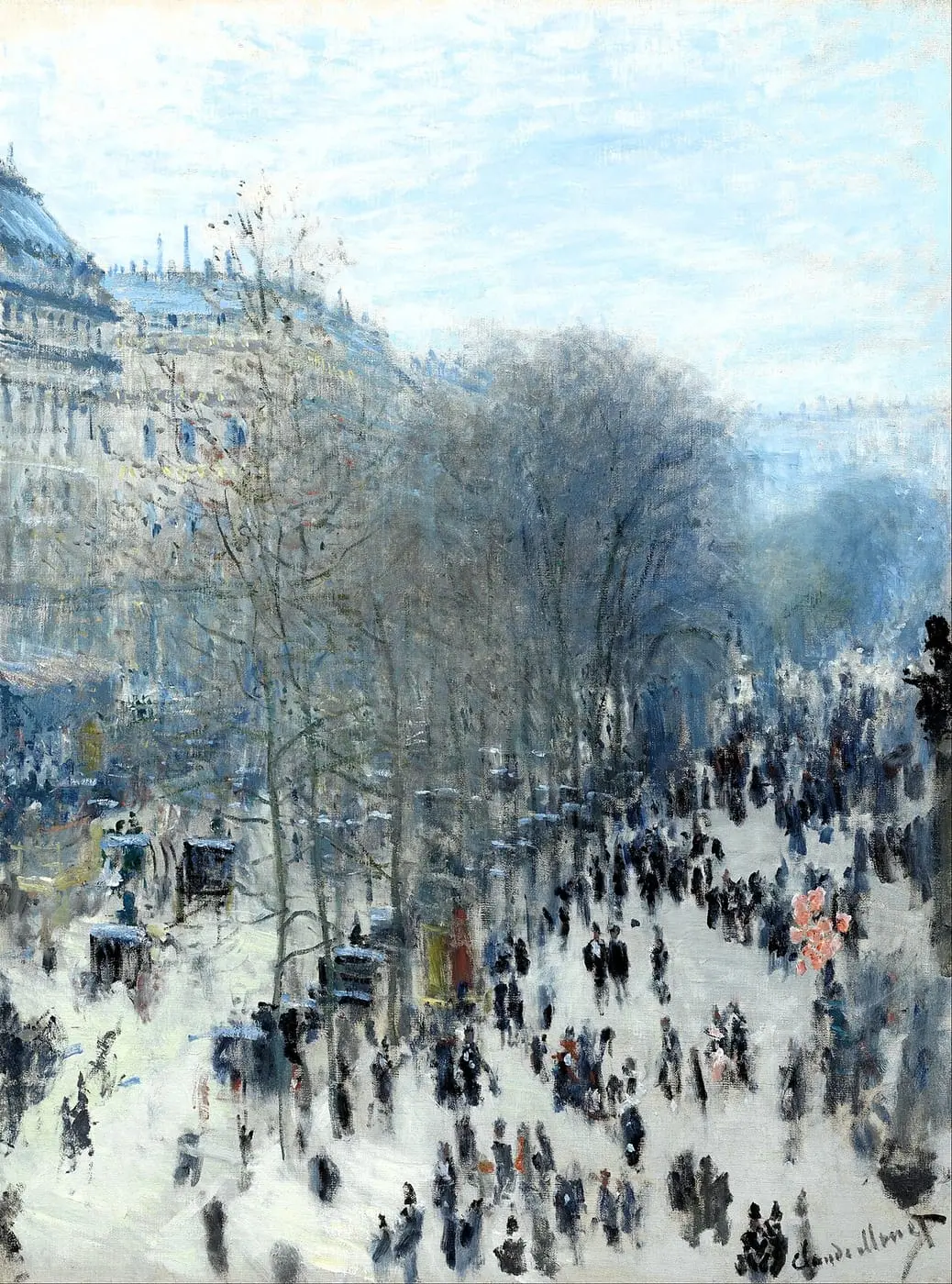
As a result it holds outstanding paintings by Monet, Renoir, Cézanne, Gauguin, Van Gogh, Matisse and Picasso, shown in the Gallery of European and American Art of the 19th–20th Centuries next door to the main building.
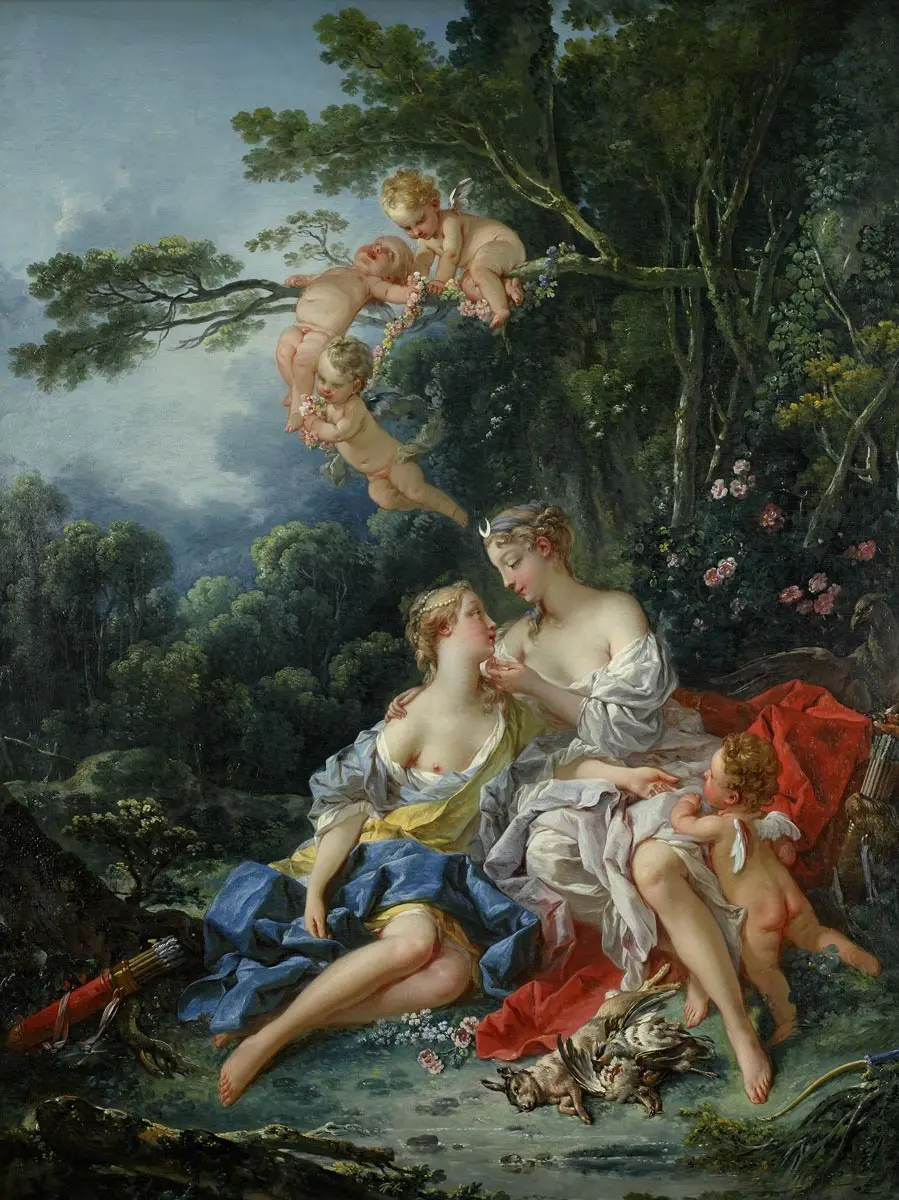
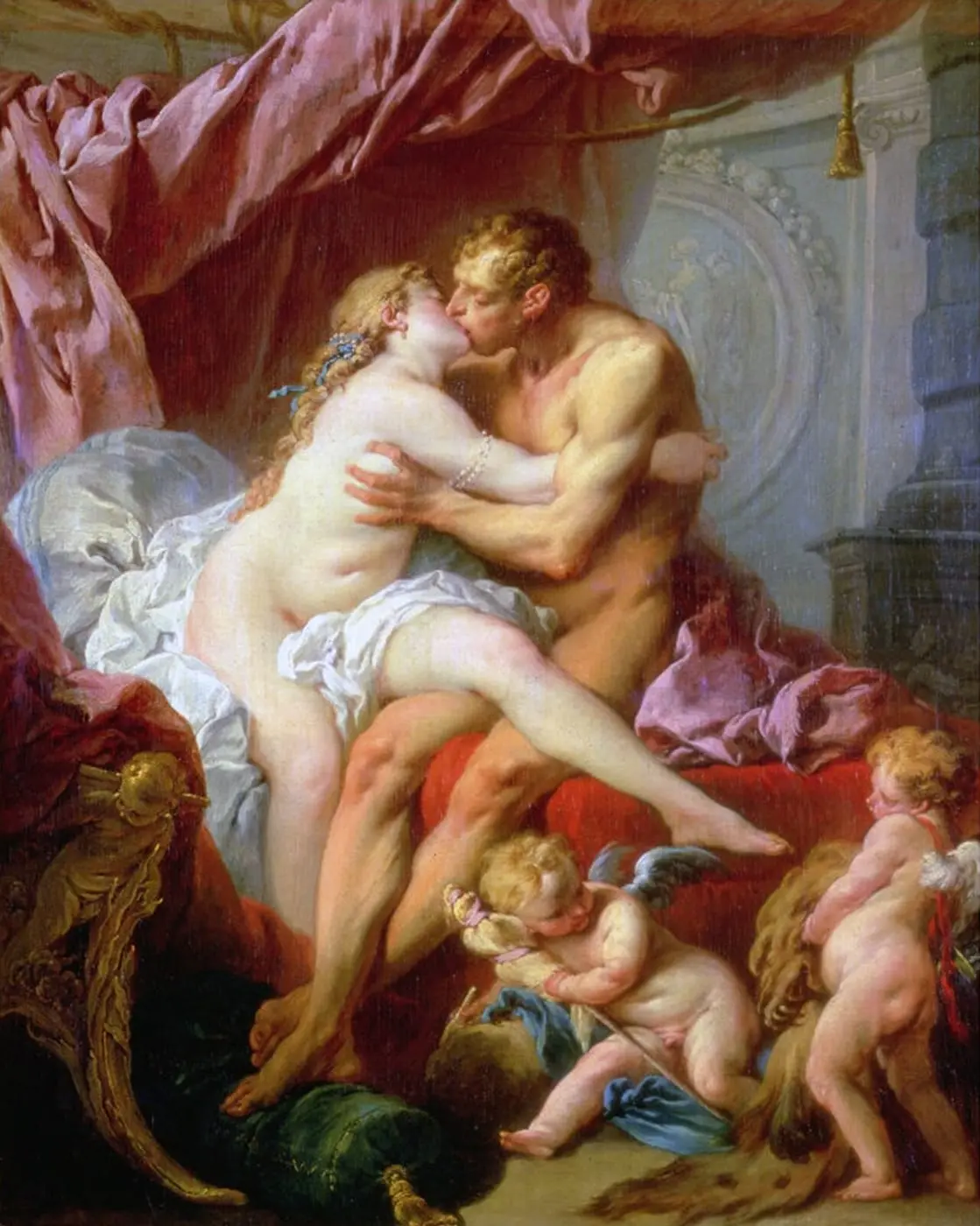
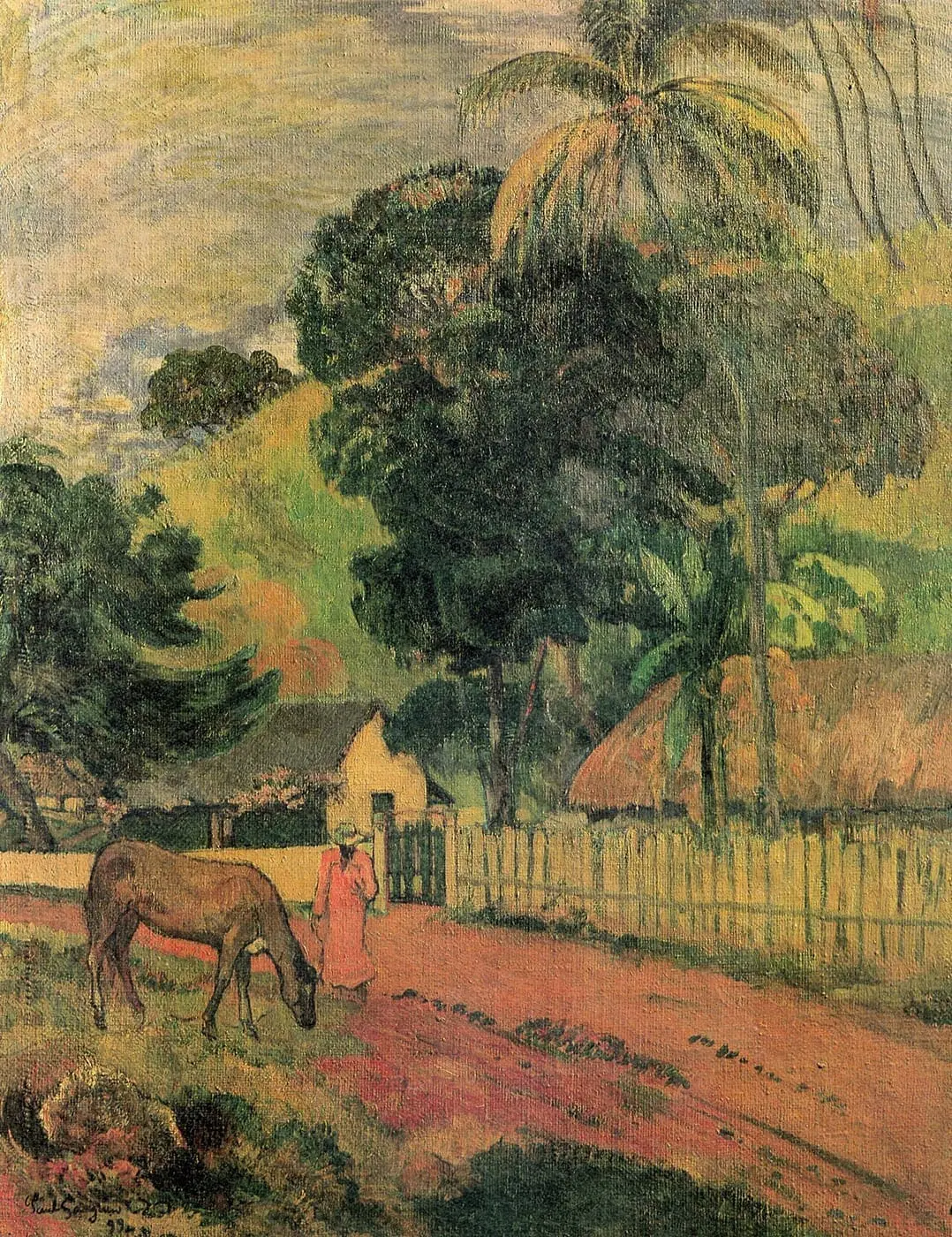
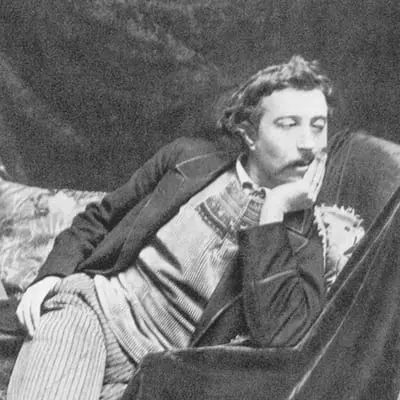
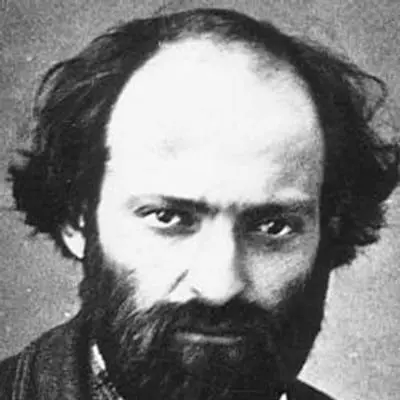
At ArtLogia you can order 101 of its paintings as hand-painted reproductions, by 53 artists led by Paul Gauguin, Paul Cézanne and Claude Monet.
- paintings to order
- 101
- artists
- 53
- art movements
- 13
- years covered
- 1466–1912
The building
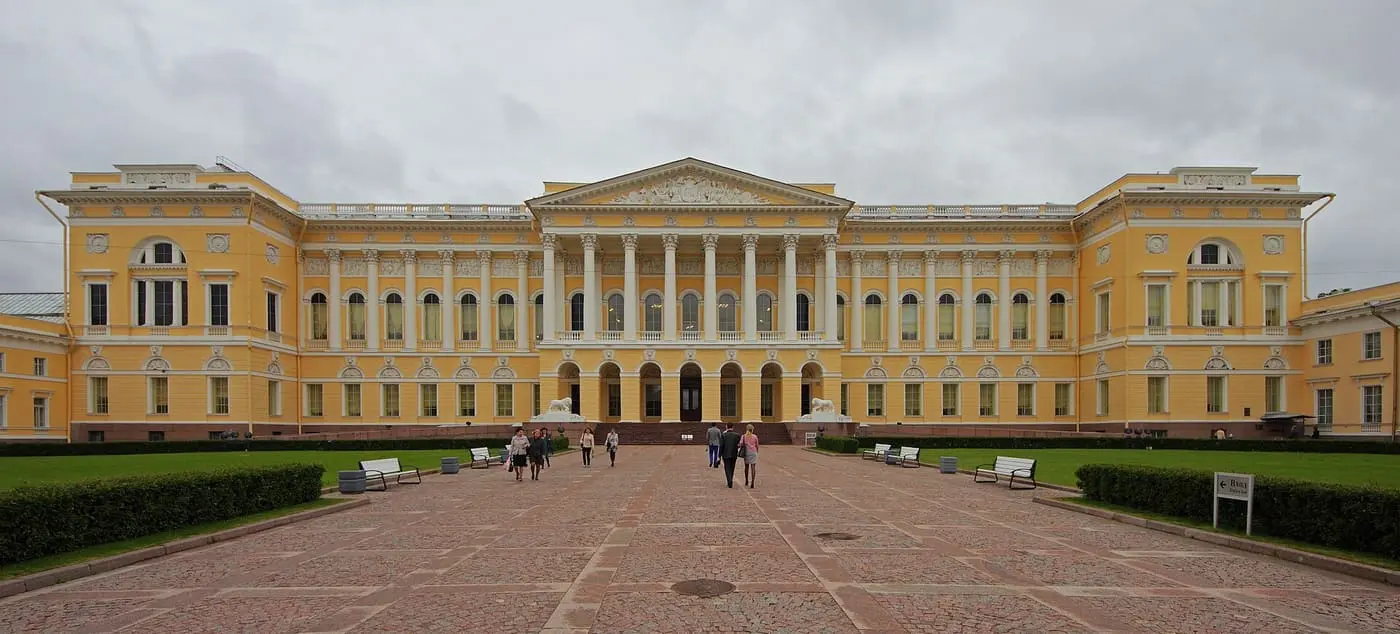
The main building, designed by Roman Klein in a neoclassical style with an Ionic colonnade, was built between 1898 and 1912. The project was led by Professor Ivan Tsvetaev, father of the poet Marina Tsvetaeva.
Masterpieces to see
Planning a visit
The museum stands on Volkhonka Street, opposite the Cathedral of Christ the Saviour.