About the museum
The story of the Musée d'Orsay
The Musée d'Orsay sits inside a Beaux-Arts railway station built for the 1900 World's Fair, on the Left Bank of the Seine opposite the Tuileries. It opened as a museum in 1986 to show French art from 1848 to 1914, picking up where the Louvre leaves off.
It holds the largest collection of Impressionist and Post-Impressionist paintings in the world: Monet, Renoir, Degas, Manet, Cézanne, Gauguin and a celebrated group of Van Goghs, all under the station's vast glass roof and giant clocks.
The collection
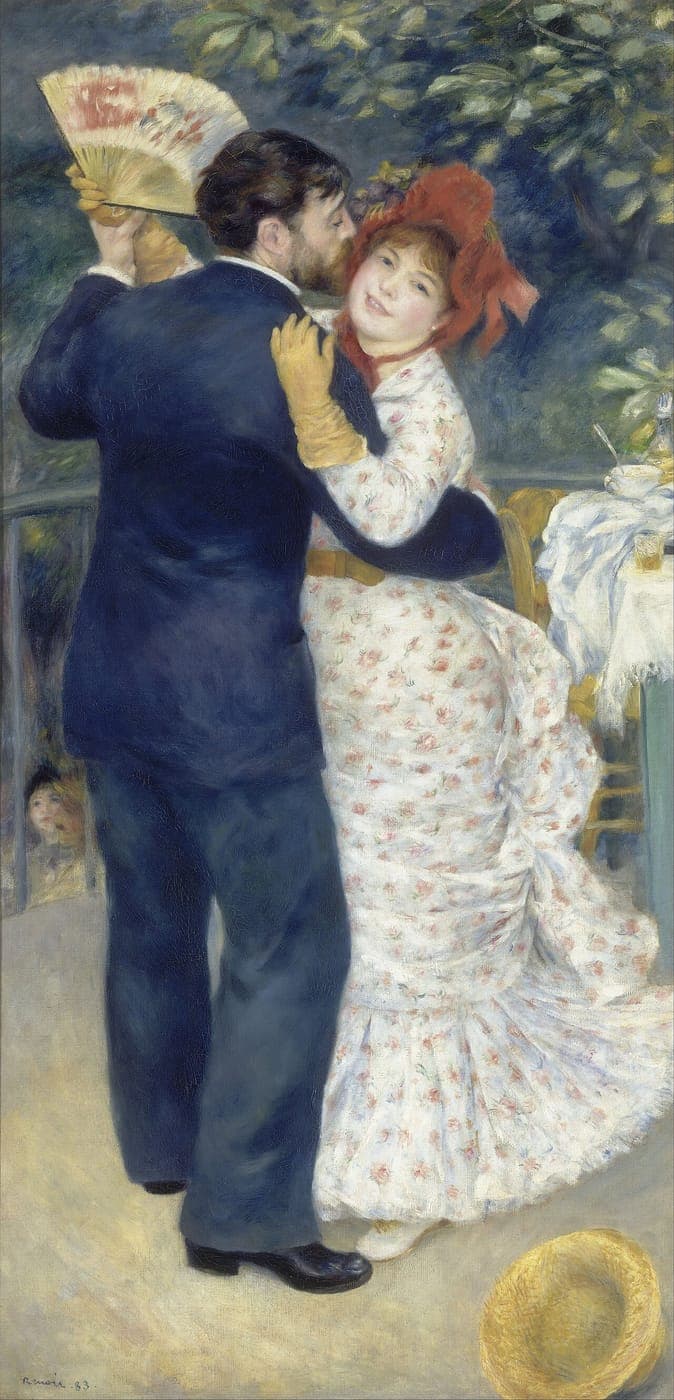
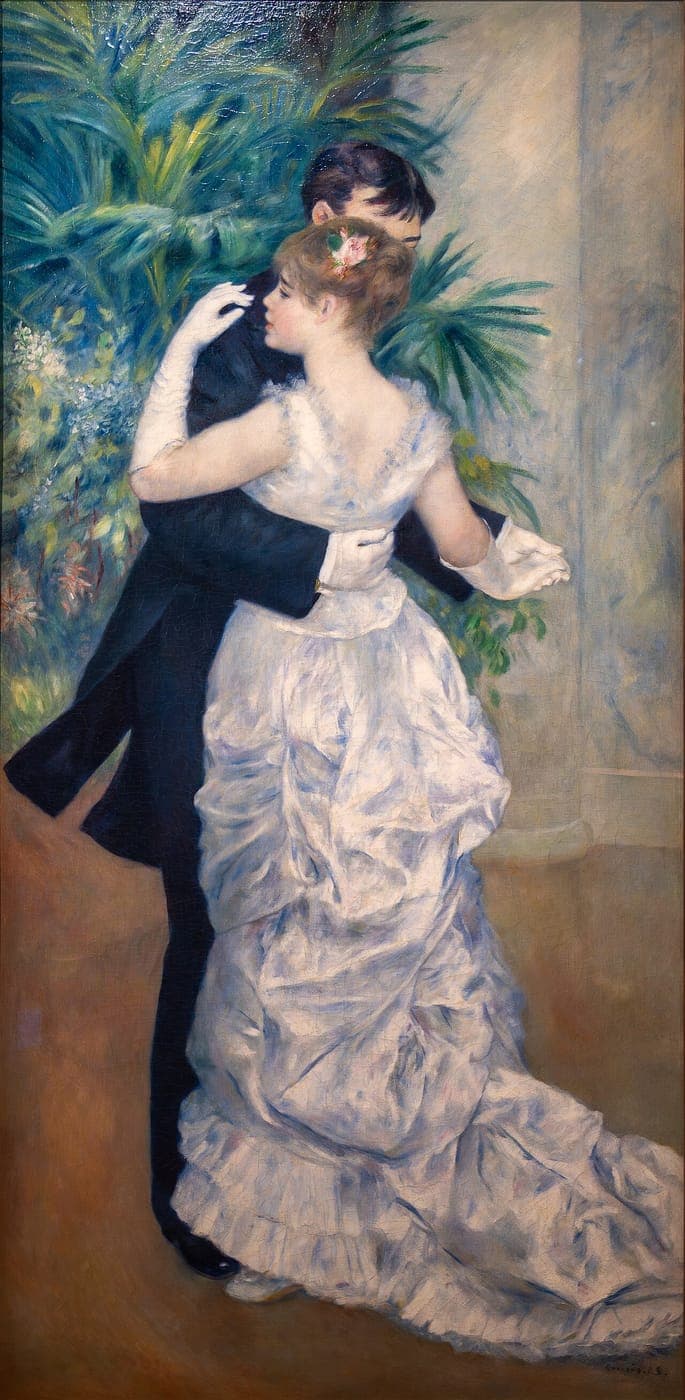
The Orsay's collection covers the decisive years of modern art, from 1848 to 1914. Its Impressionist galleries bring together Monet's paintings of Rouen Cathedral and his garden, Renoir's Paris dance halls, Degas's dancers and Caillebotte's Floor Scrapers.
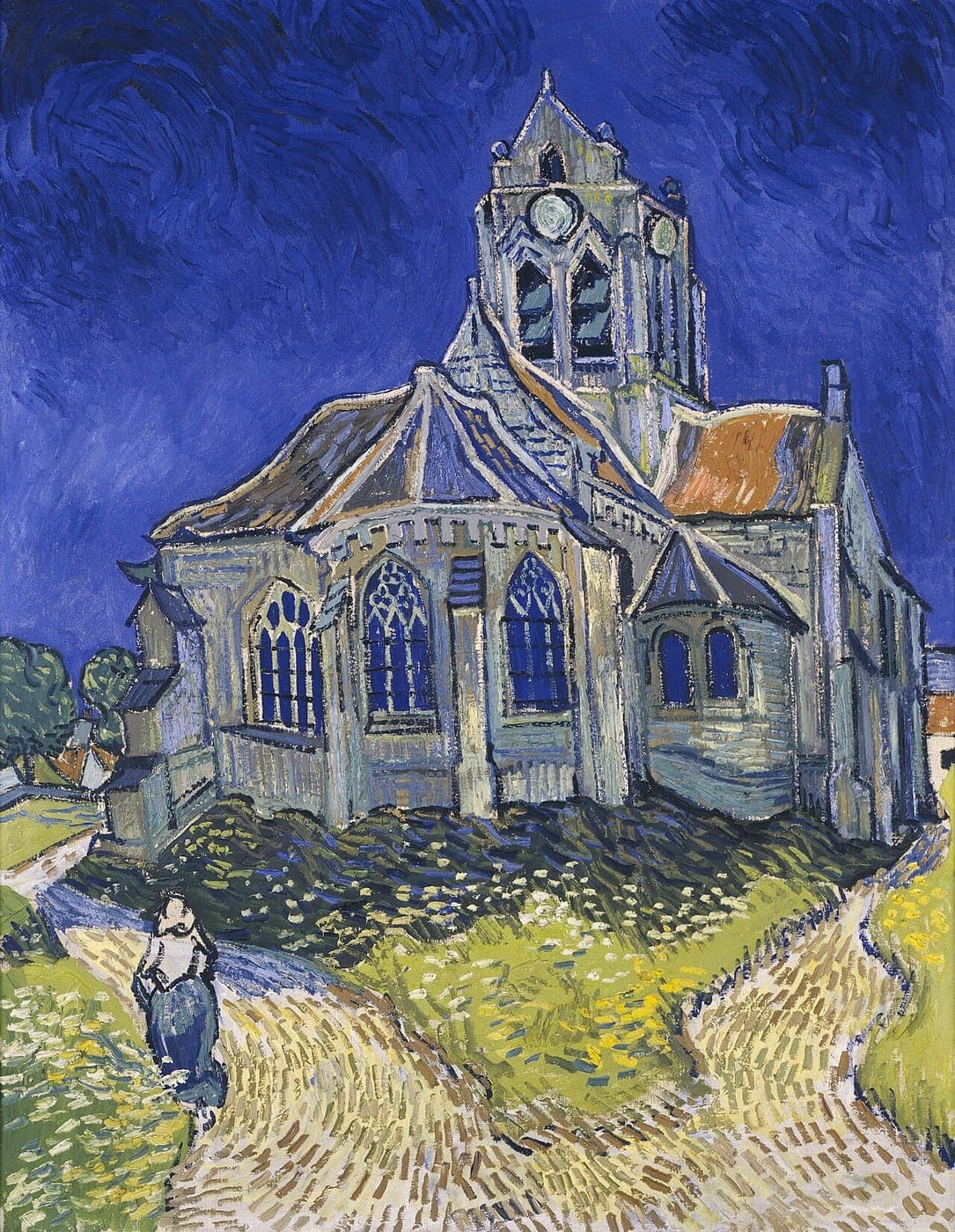
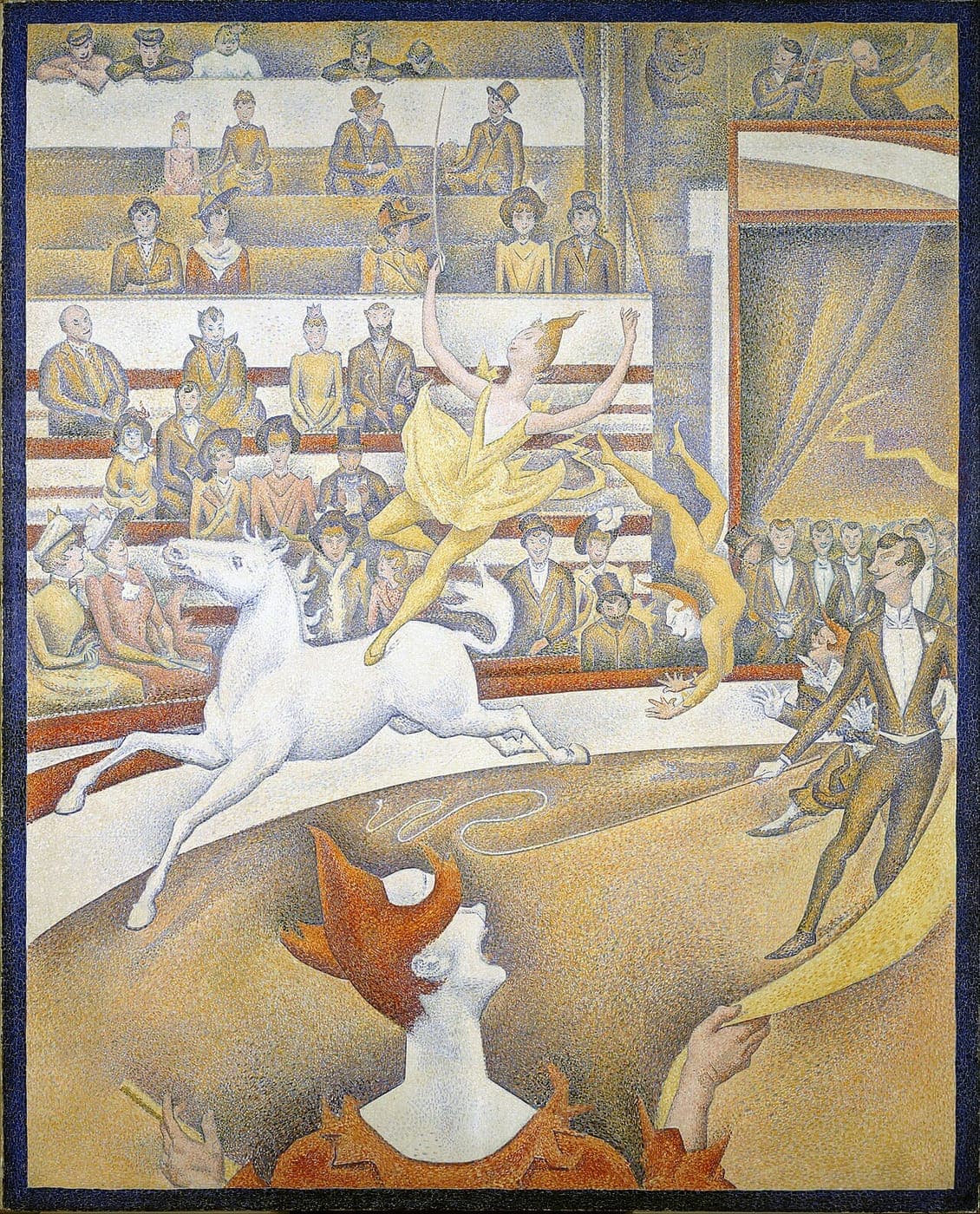
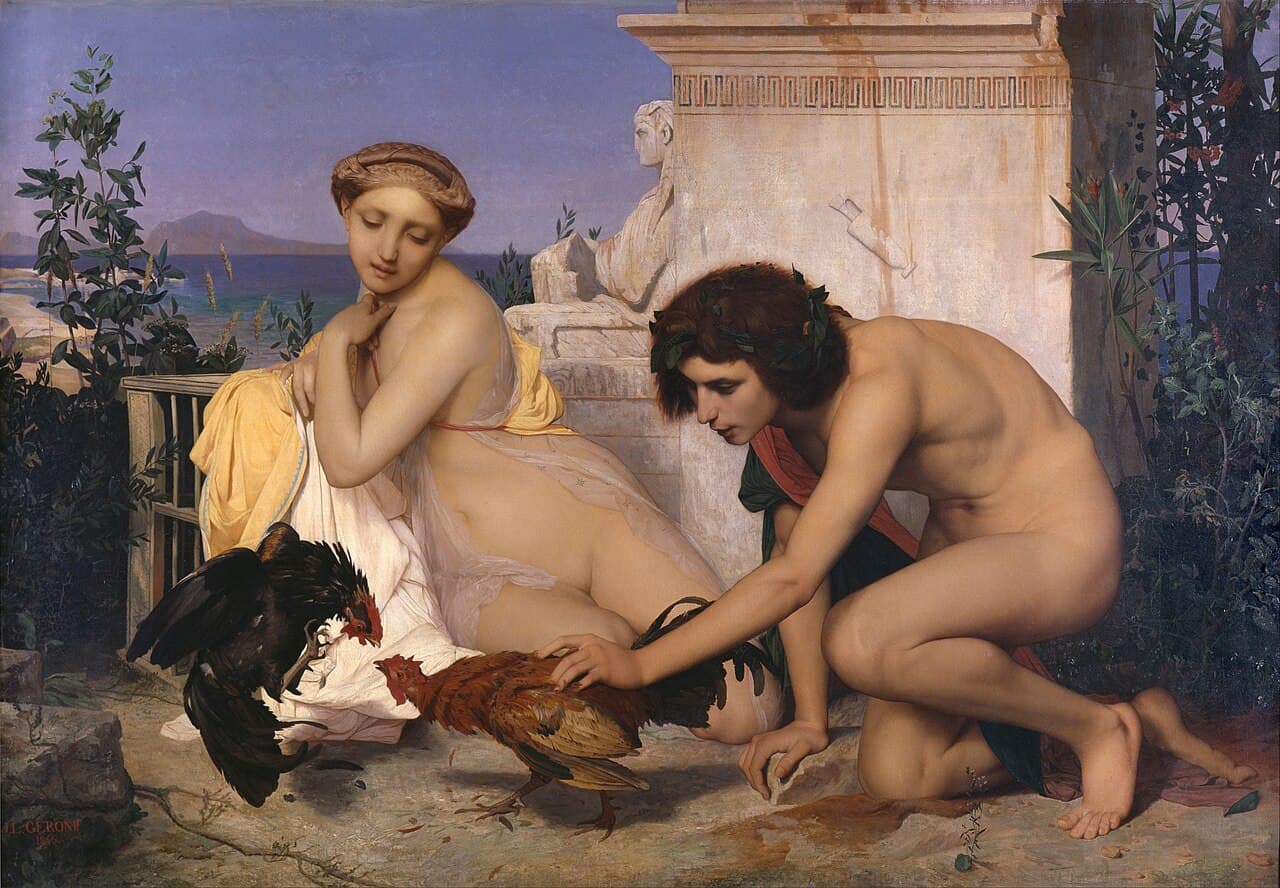
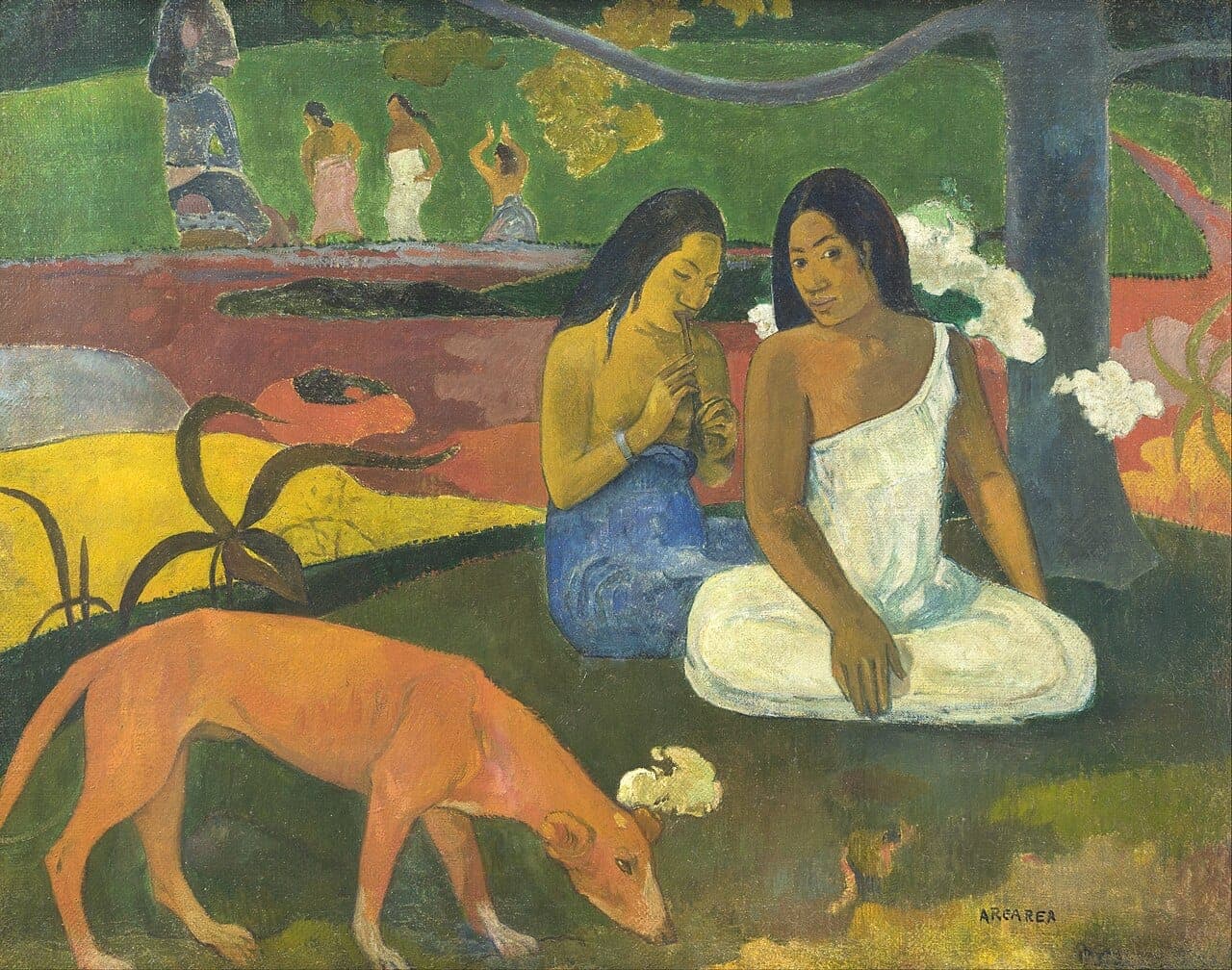
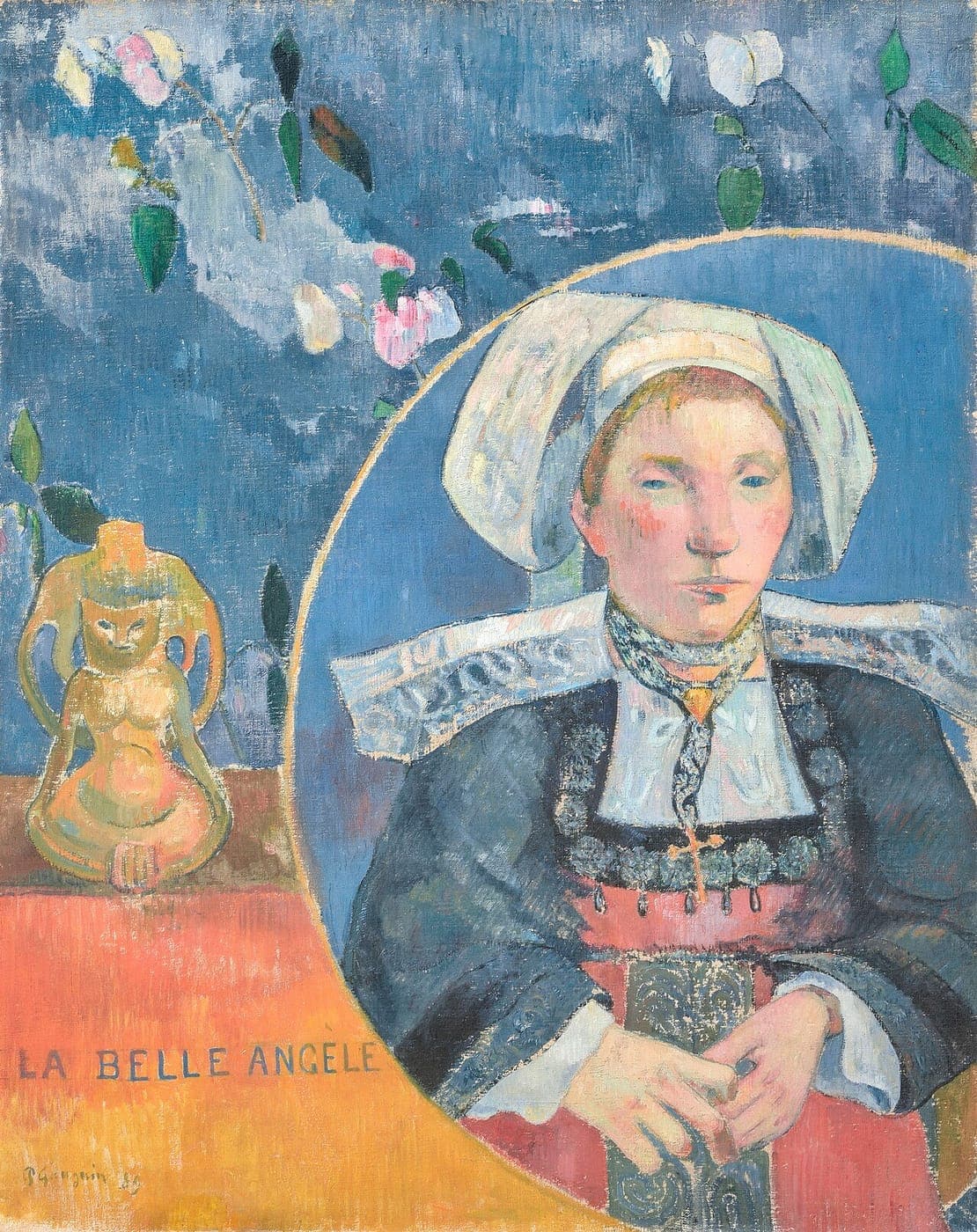
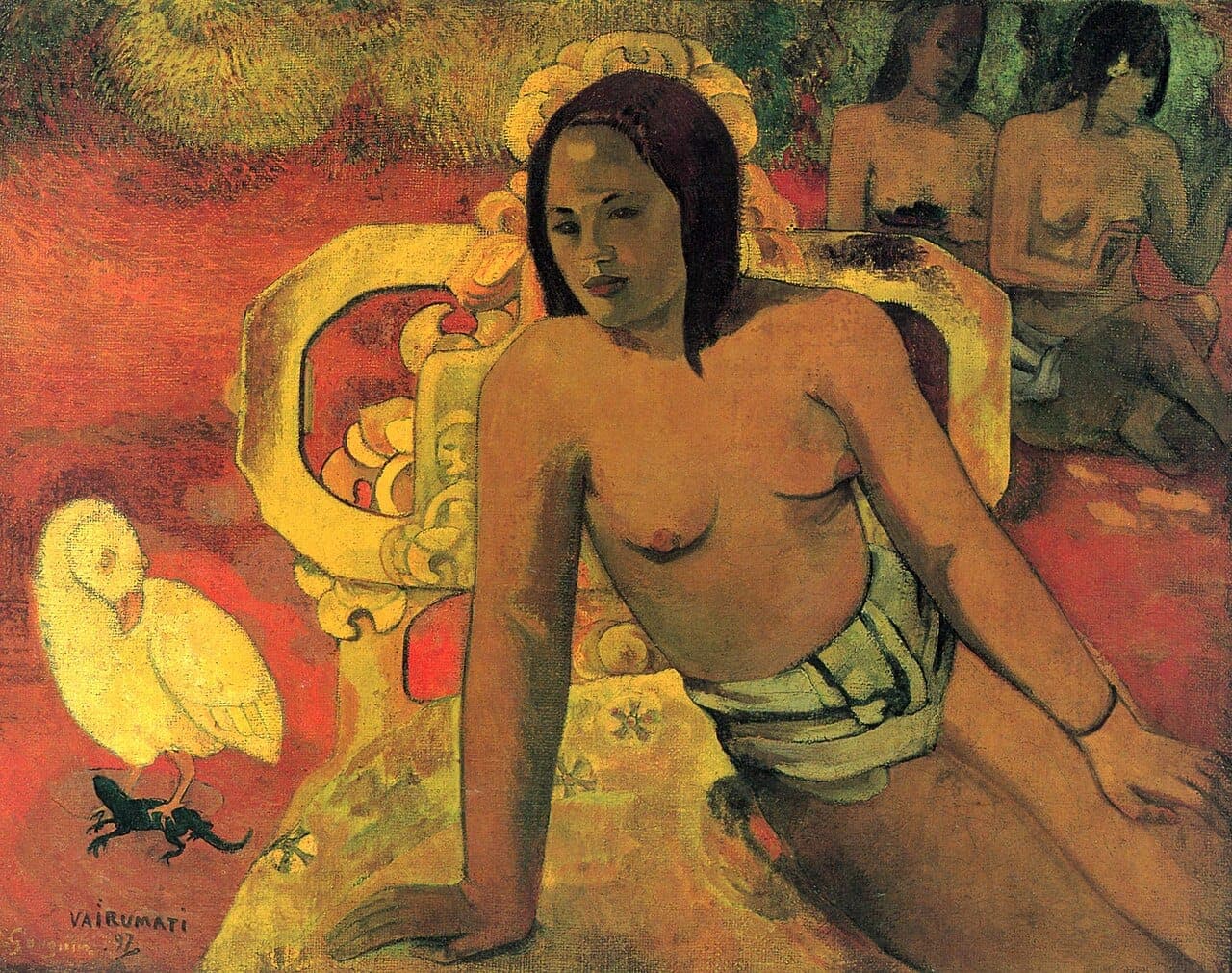
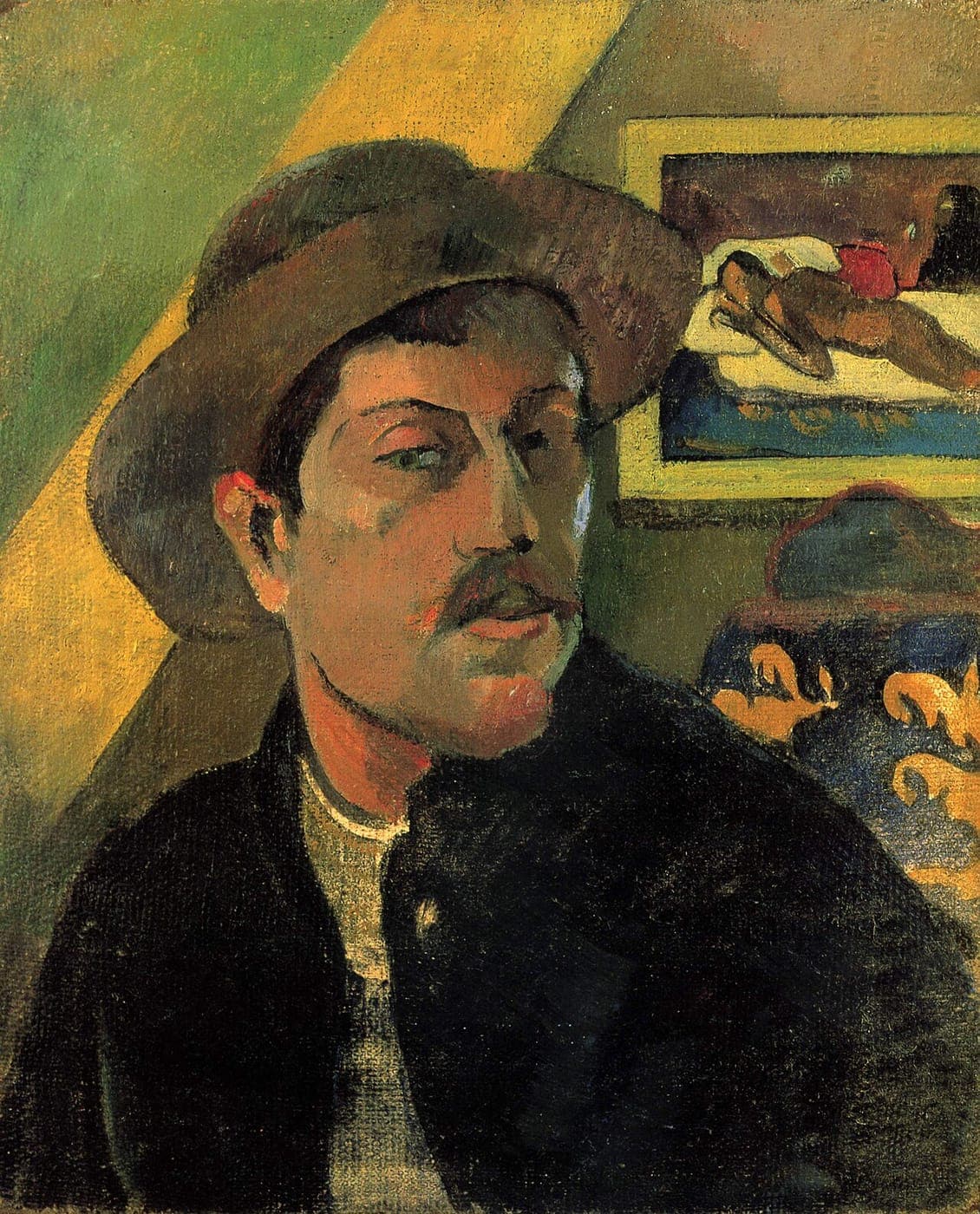
Beyond Impressionism it shows the academic painters the Impressionists rebelled against, the Realism of Courbet and Millet, and the Post-Impressionists: Cézanne, Seurat, Gauguin's Tahitian works and some of Van Gogh's most famous canvases, including his self-portrait of 1889 and The Church at Auvers.
At ArtLogia you can order 385 of its paintings as hand-painted reproductions, by 102 artists led by Paul Cézanne, Pierre-Auguste Renoir and Claude Monet.
- paintings to order
- 385
- artists
- 102
- art movements
- 10
- years covered
- 1844–1952
The building
The Gare d'Orsay was designed by Victor Laloux and finished for the Exposition Universelle of 1900. Its iron and glass hall, once the terminus for trains to the south-west of France, was saved from demolition in the 1970s and converted by the architects of ACT and Gae Aulenti into a museum that keeps the station's grand nave and its two great clocks.
Masterpieces to see
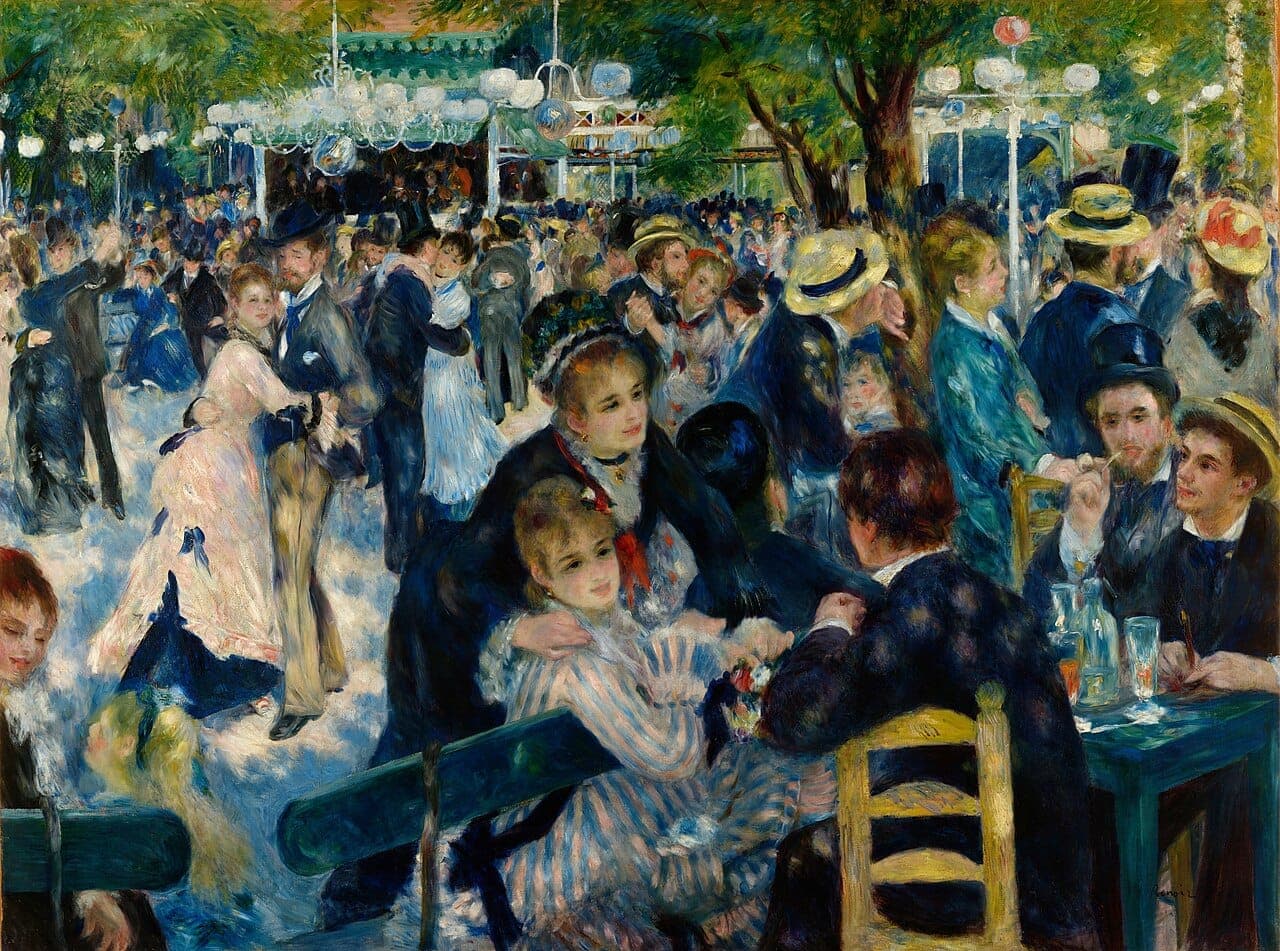 Bal du moulin de la GalettePierre-Auguste Renoir, 1876 · Hand-painted reproduction available
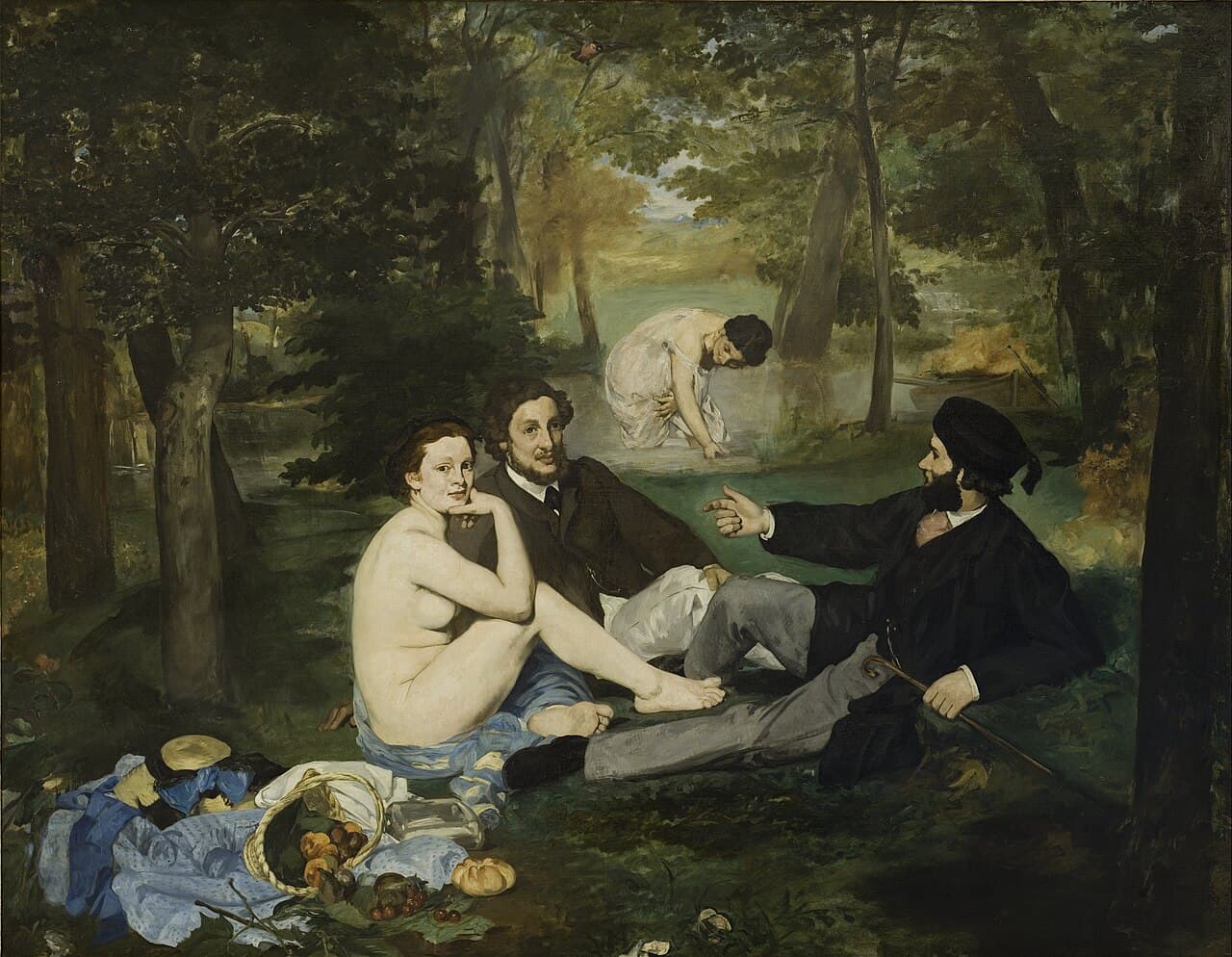 Luncheon on the GrassÉdouard Manet, 1863 · Hand-painted reproduction available
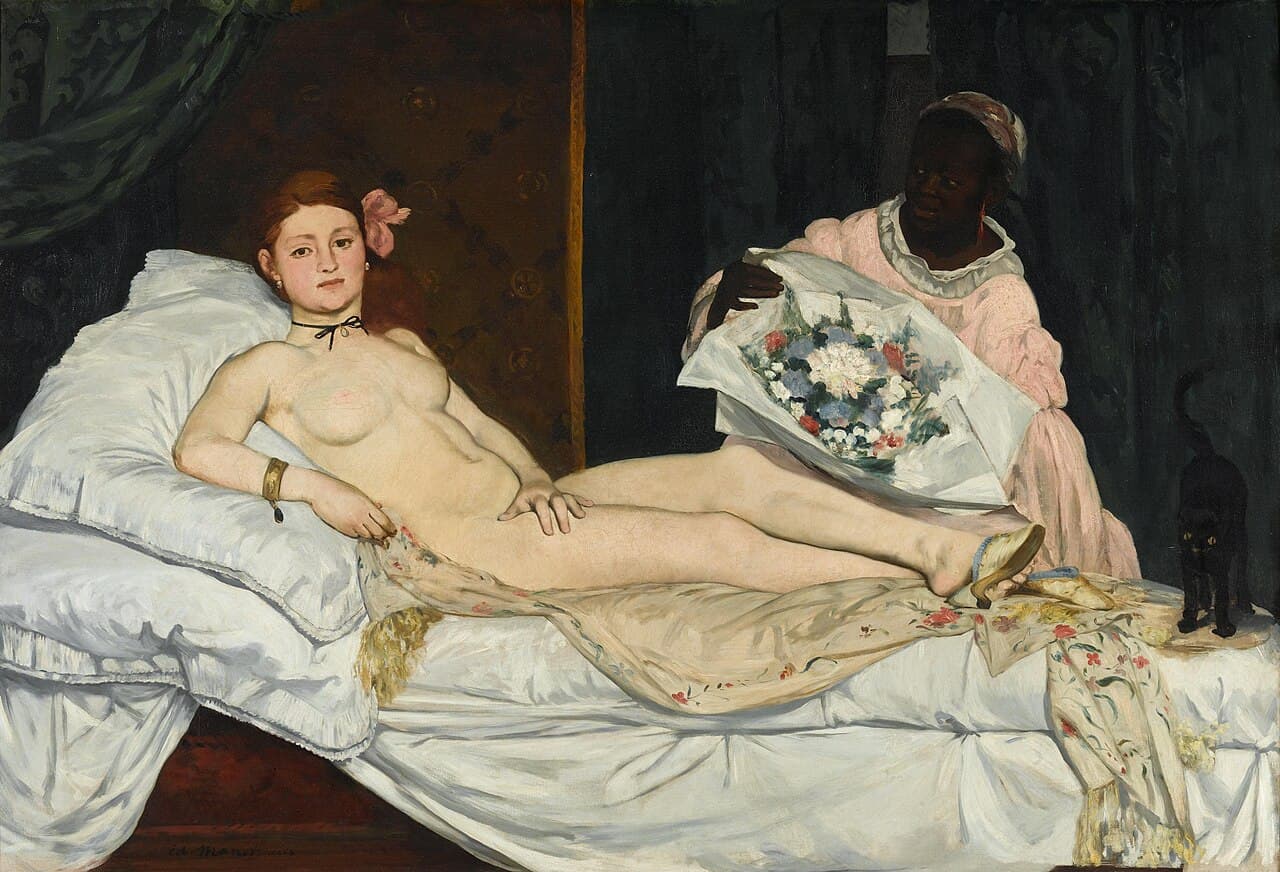 OlympiaÉdouard Manet, 1863 · Hand-painted reproduction available
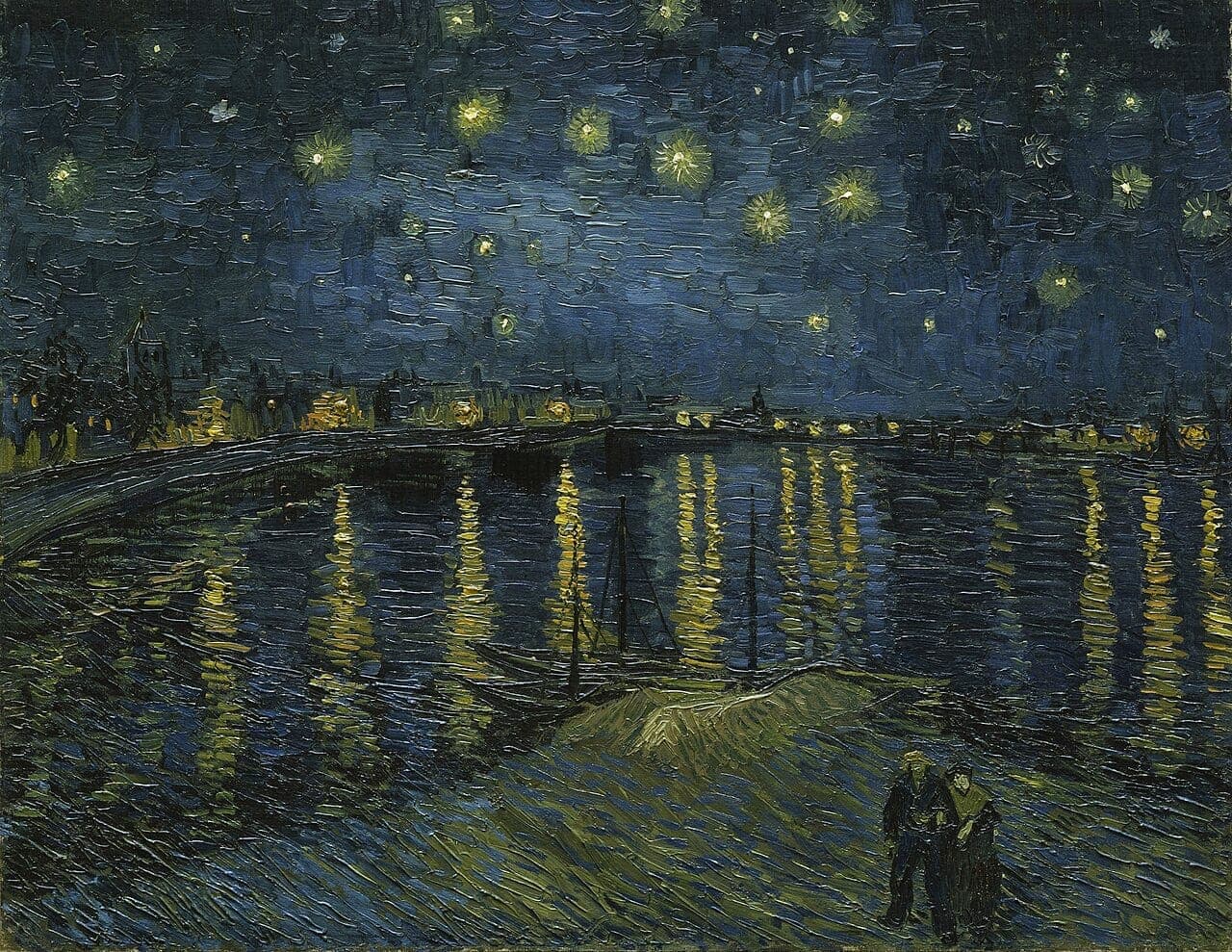 Starry Night Over the RhôneVincent van Gogh, 1888 · Hand-painted reproduction available
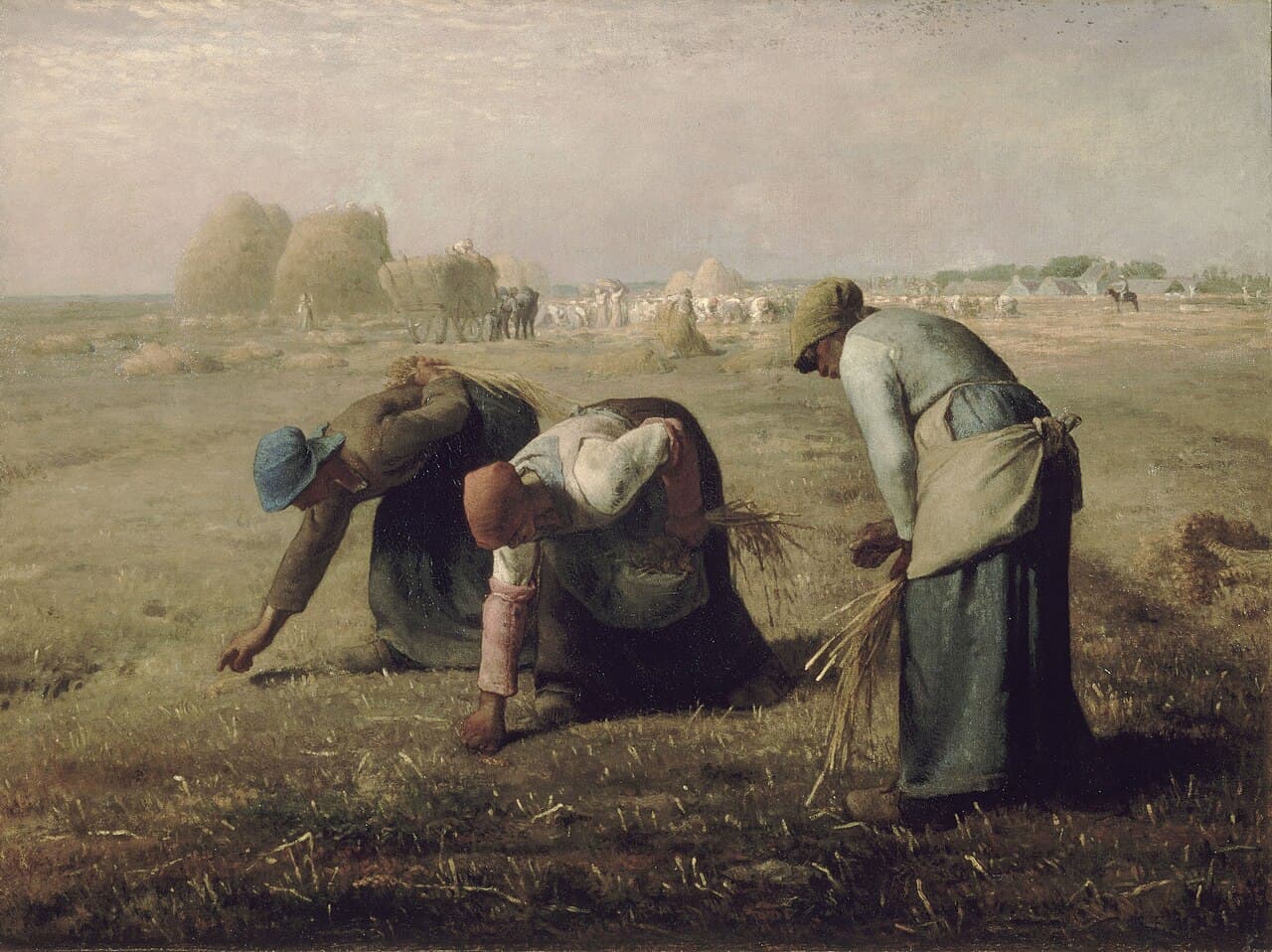 The GleanersJean-François Millet, 1857 · Hand-painted reproduction available
Planning a visit
Head to the top floor first: the Impressionist galleries are there, beside the clock windows that look across the Seine.