About the museum
The story of the Uffizi Gallery
The Uffizi was built from 1560 by Giorgio Vasari as offices for the Medici administration in Florence. The Medici family gathered their art on its top floor, and in 1743 the last of the line, Anna Maria Luisa de' Medici, left the entire collection to the city on condition that it never leave Florence.
It is the greatest collection of Italian Renaissance painting in the world, with Botticelli, Leonardo, Michelangelo, Raphael, Titian and Caravaggio in rooms that look down onto the Arno.
The collection
The Uffizi is arranged roughly in chronological order, so a visit traces the birth of the Renaissance: Giotto's and Cimabue's great altarpieces, Piero della Francesca's portraits of the Duke and Duchess of Urbino, and the Botticelli rooms with The Birth of Venus and Primavera.
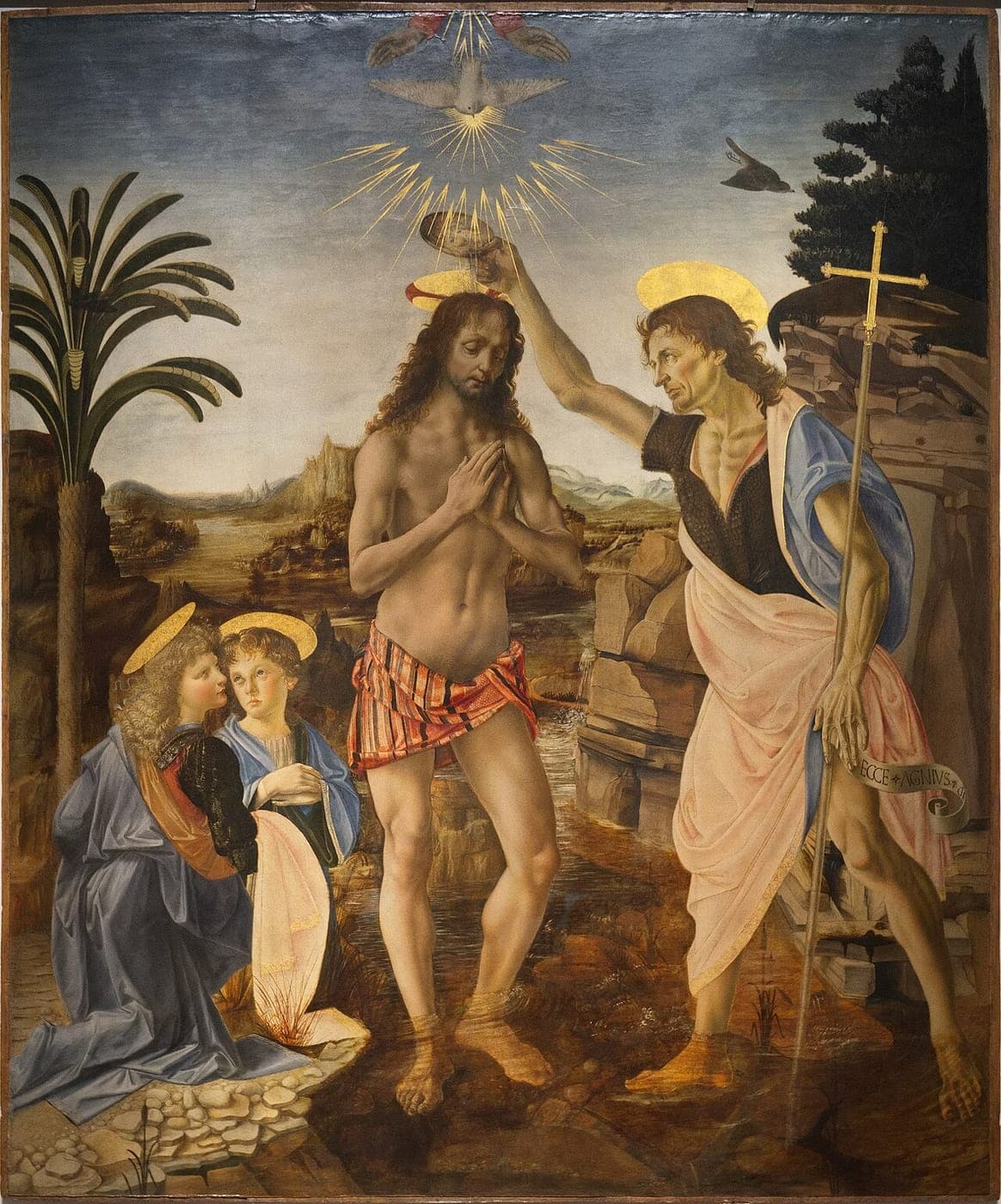
Later rooms hold Leonardo's Annunciation and Adoration of the Magi, Michelangelo's Doni Tondo, the only finished panel painting firmly attributed to him, Raphael, Titian's Venus of Urbino and works by Caravaggio and Artemisia Gentileschi.
At ArtLogia you can order 281 of its paintings as hand-painted reproductions, by 146 artists led by Sandro Botticelli, Bronzino and Titian.
- paintings to order
- 281
- artists
- 146
- art movements
- 13
- years covered
- 1255–1912
The building
Vasari designed the Uffizi as a U-shaped building of offices for the magistrates of Florence, with a long corridor running from the Palazzo Vecchio to the Arno. The Vasari Corridor continues across the Ponte Vecchio to the Palazzo Pitti, allowing the Medici to move between their palaces without going into the street.
Masterpieces to see
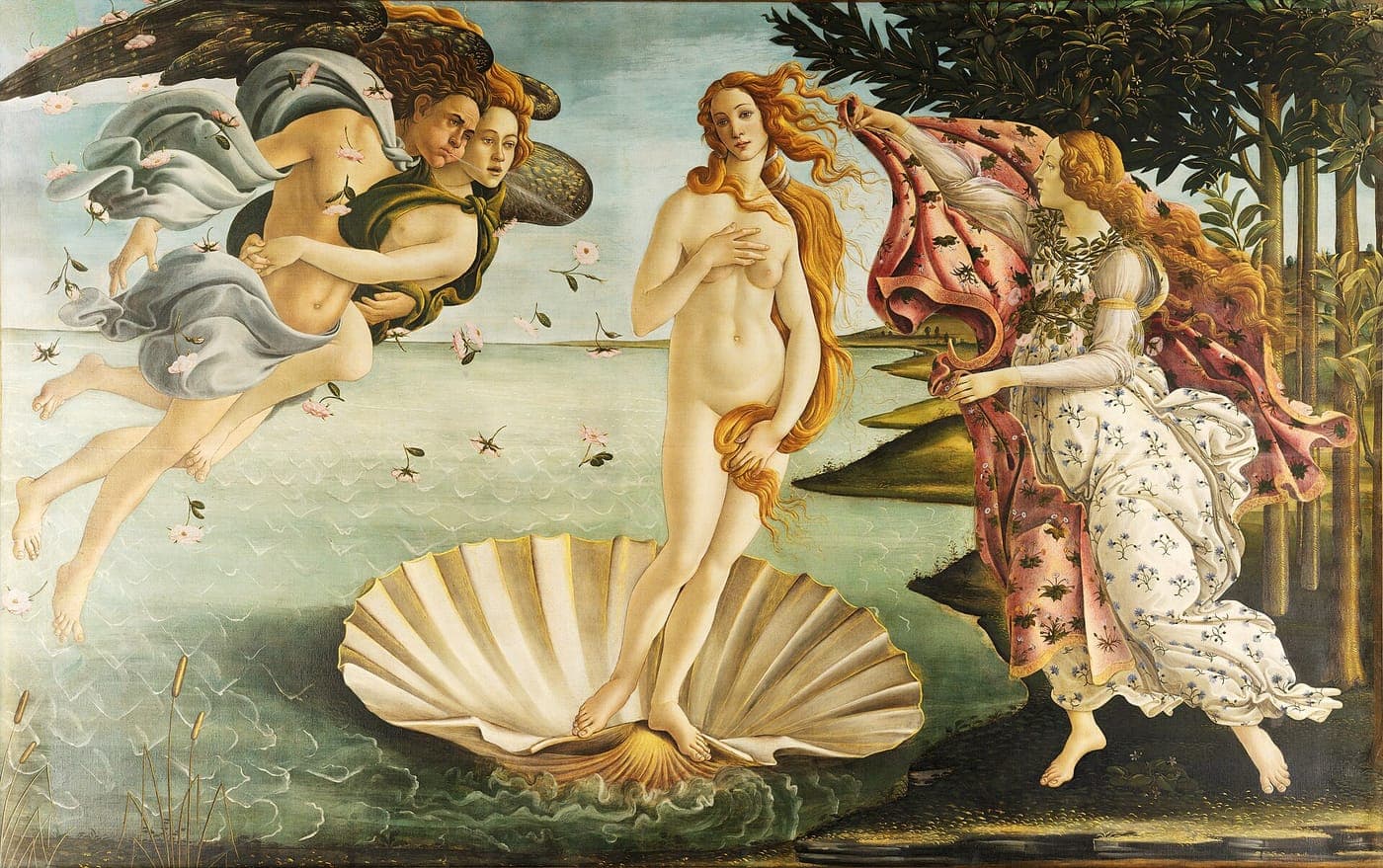 The Birth of VenusSandro Botticelli, c. 1484–1486 · Hand-painted reproduction available
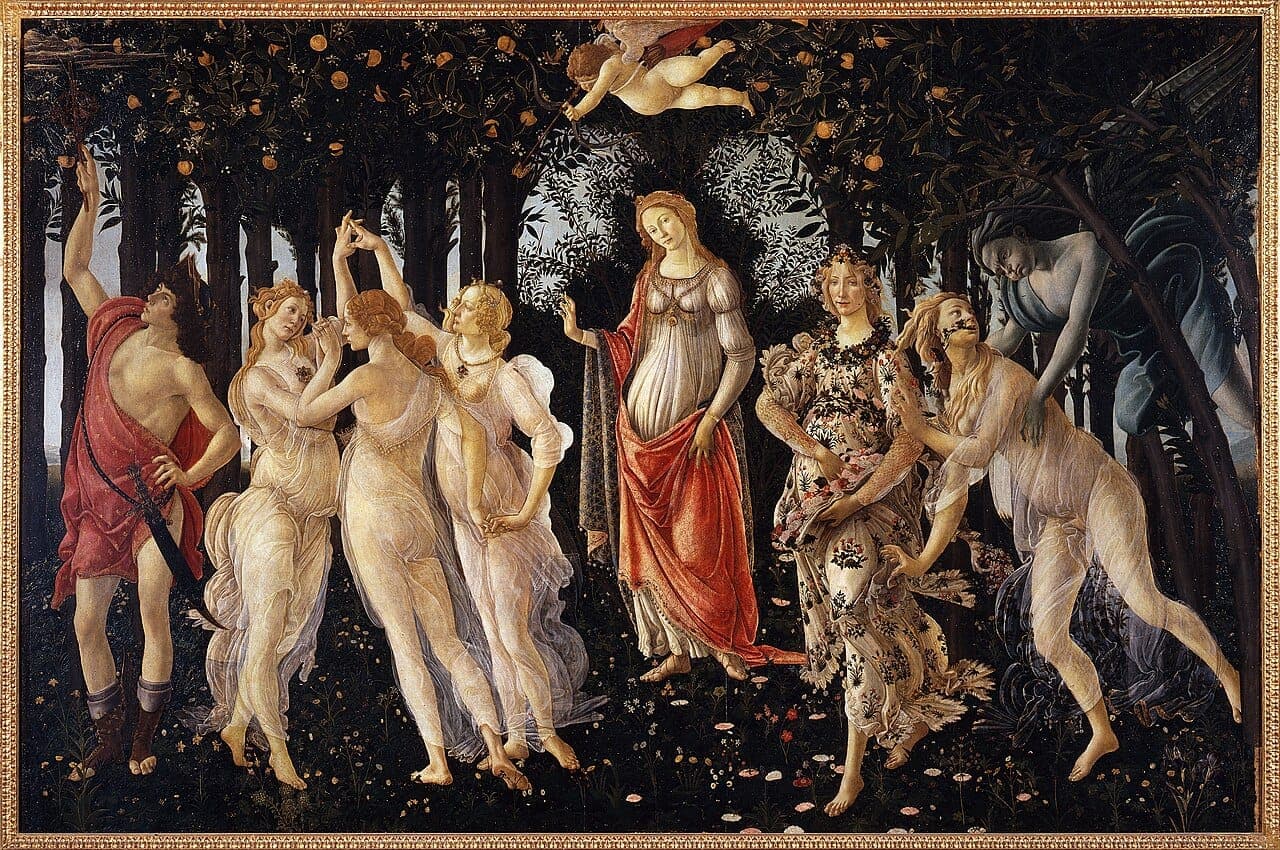 PrimaveraSandro Botticelli, 1480 · Hand-painted reproduction available
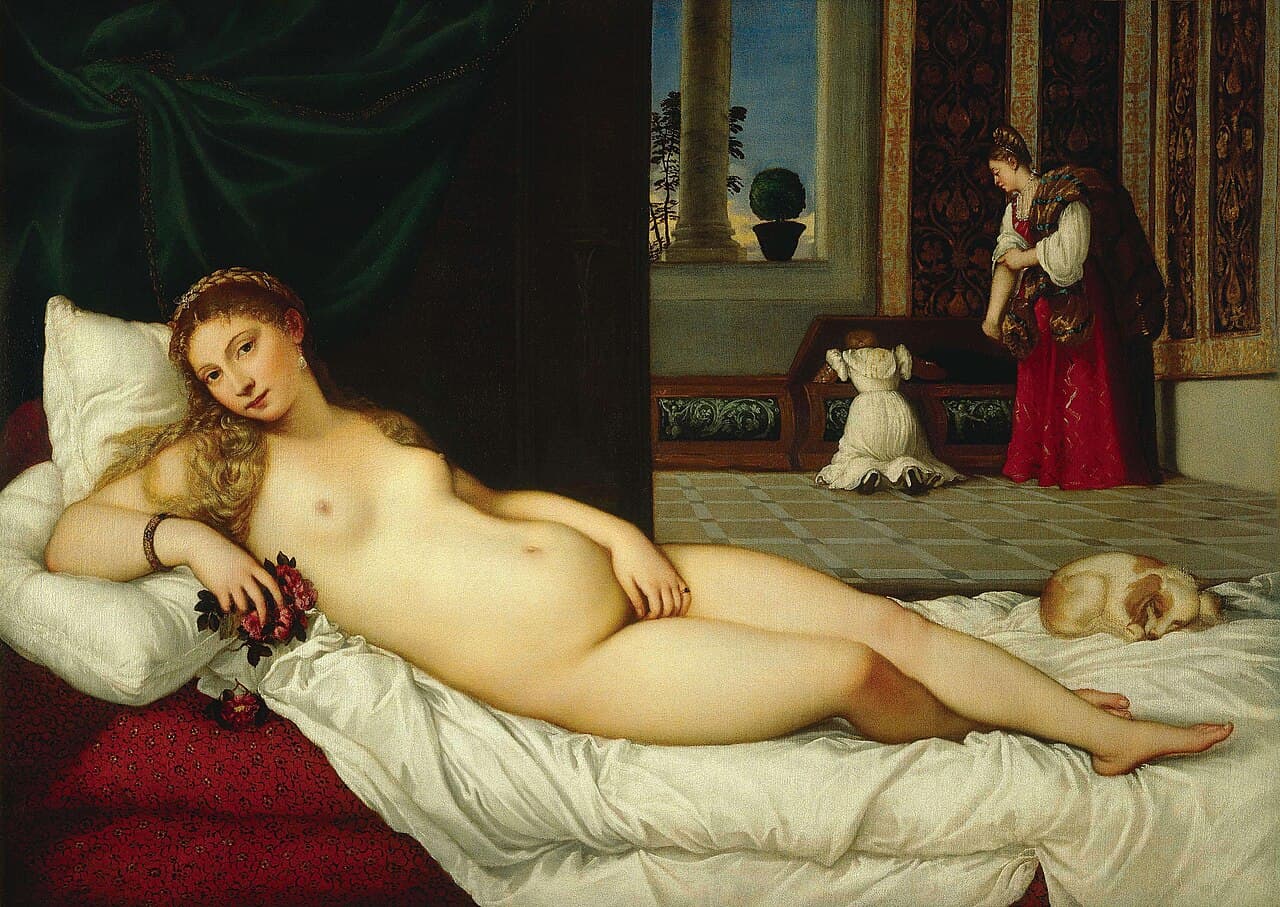 Venus of UrbinoTitian, 1538 · Hand-painted reproduction available
 The AnnunciationLeonardo da Vinci, 1472 · Hand-painted reproduction available
 MedusaCaravaggio, 1590 · Hand-painted reproduction available
Planning a visit
Book a timed slot ahead; the Botticelli rooms on the second floor are busiest in the late morning.